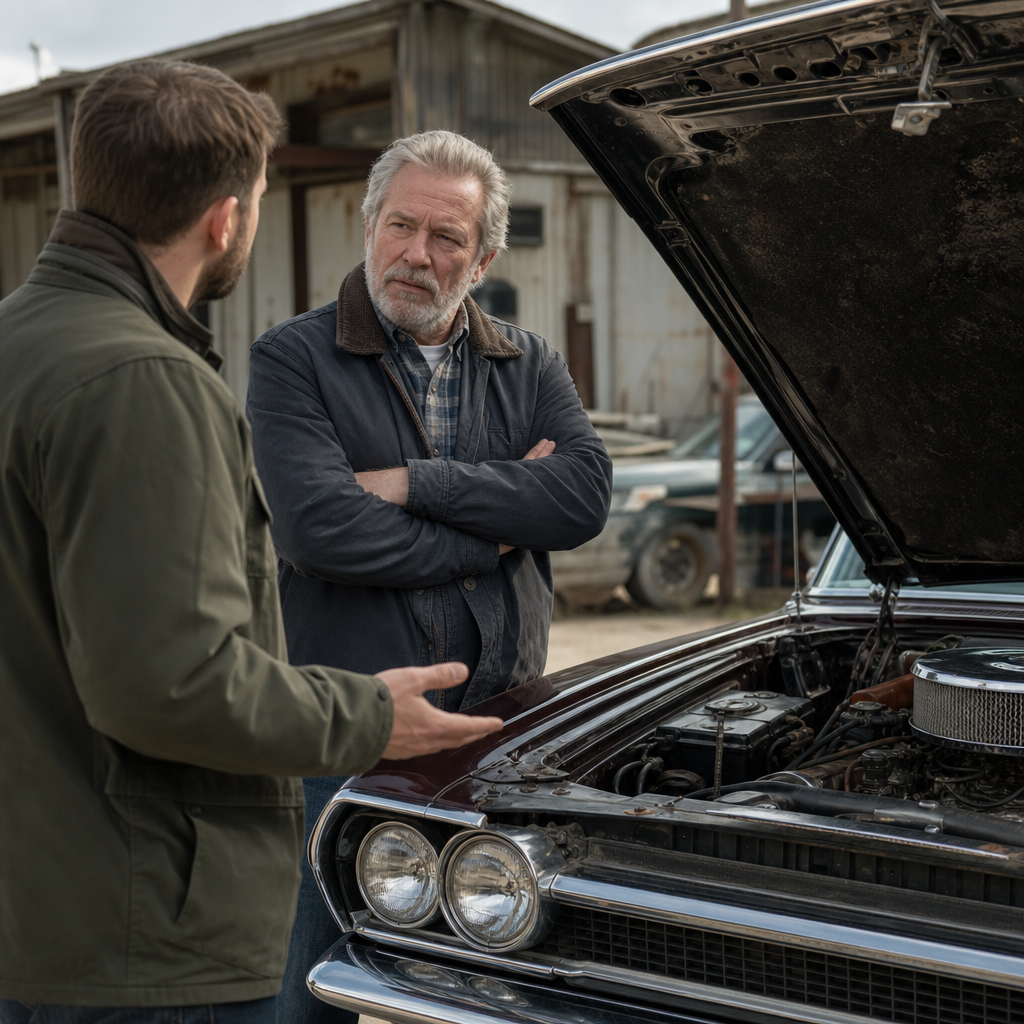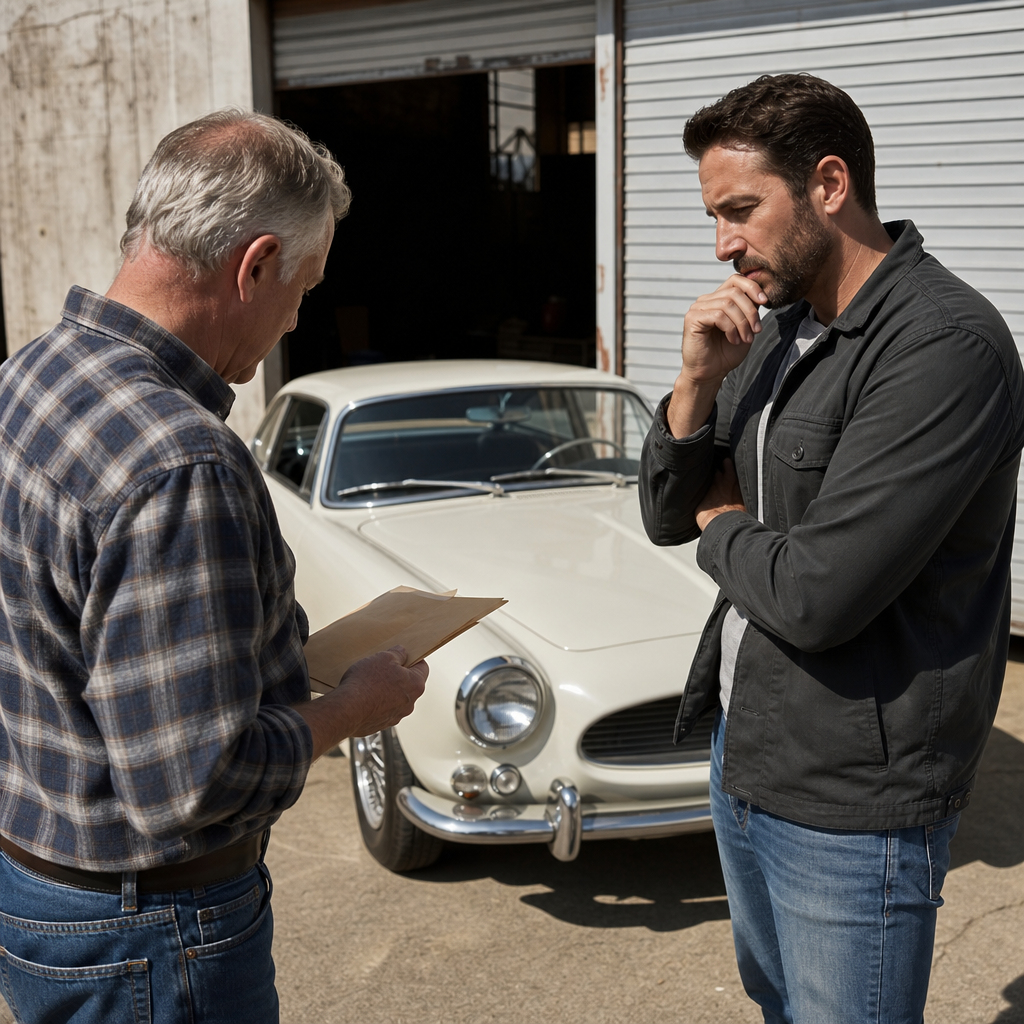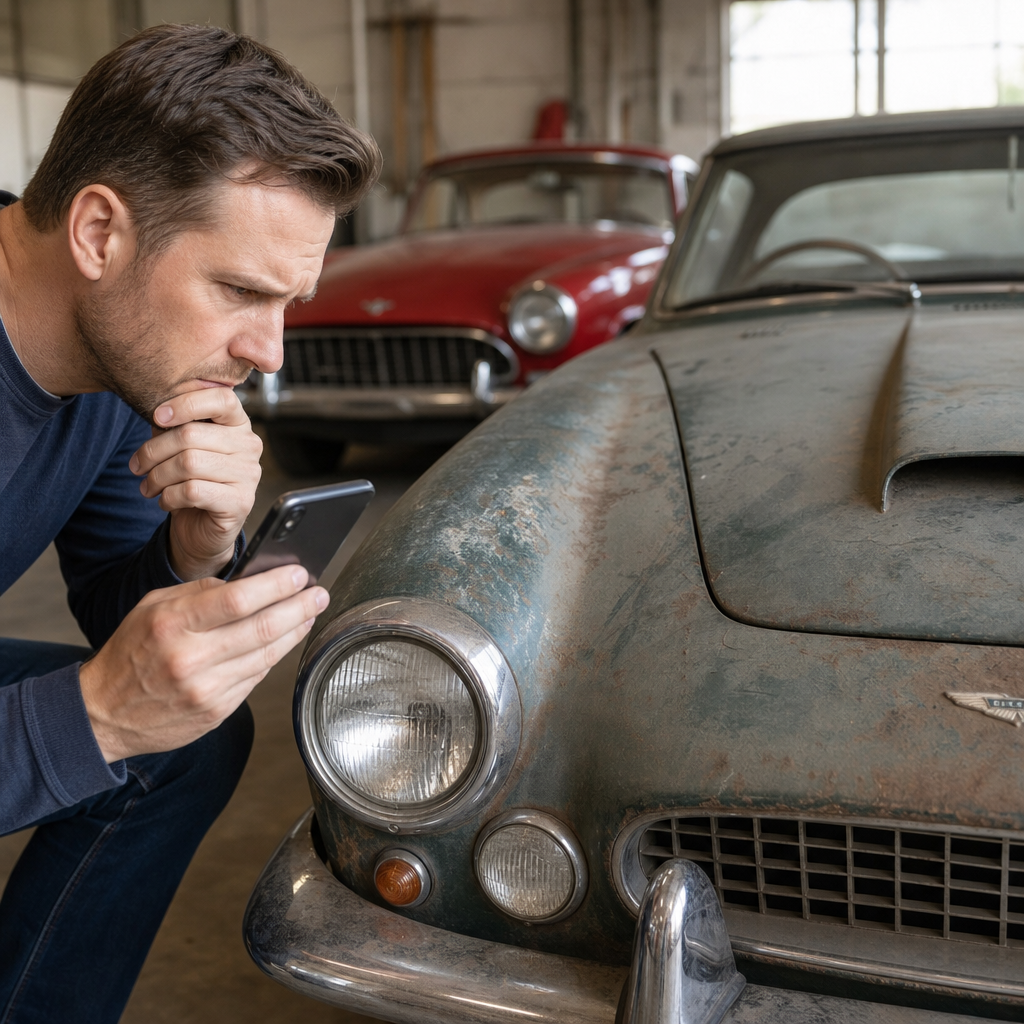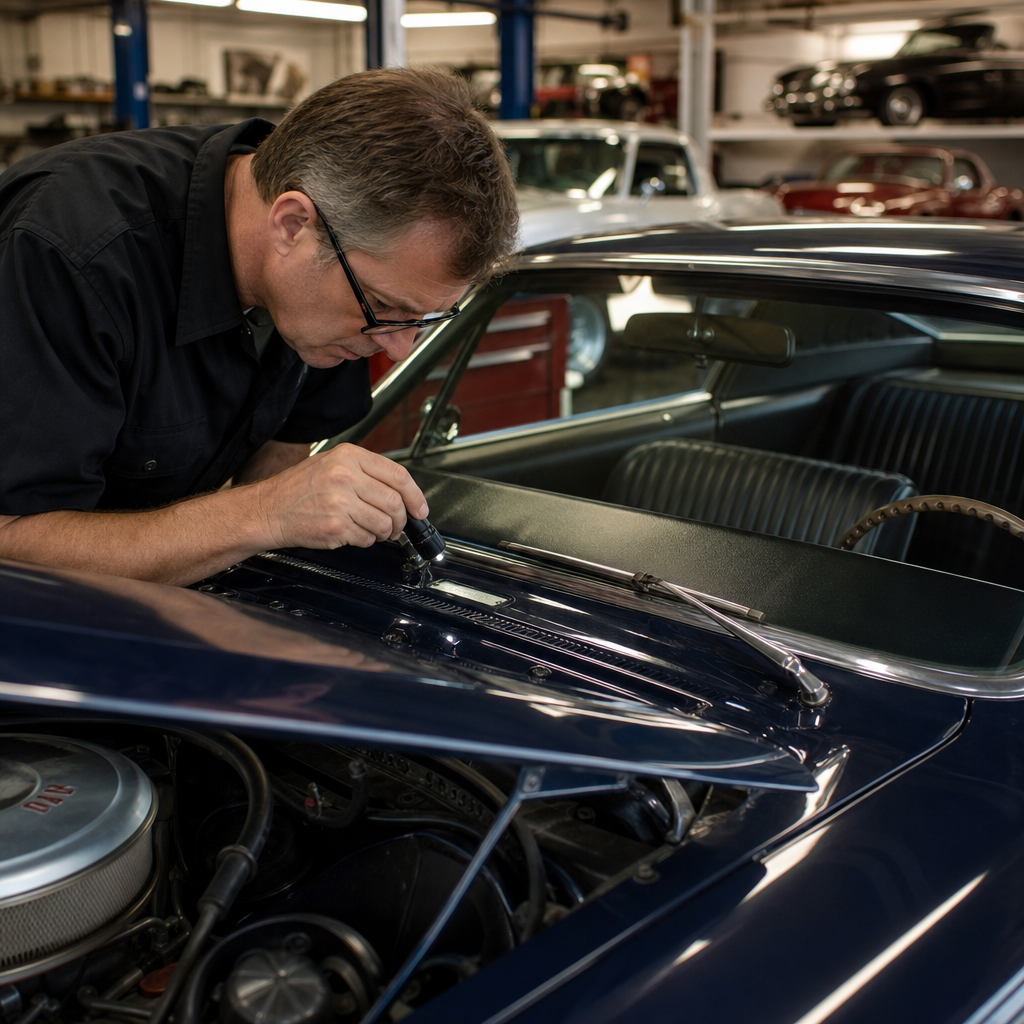
Buying a classic car internationally can unlock better inventory, stronger provenance, and prices that local markets simply cannot match. For collectors and first-time buyers alike, the global market for vintage vehicles offers access to marques, trim levels, and original examples that may be scarce at home. In practical terms, international classic car buying means sourcing a vehicle from another country, verifying its condition and legal status, arranging payment securely, and importing it in compliance with customs, tax, and registration rules. When done properly, it widens your options dramatically; when handled casually, it can become expensive very quickly.
I have worked with buyers sourcing cars from the United Kingdom, Germany, Japan, Italy, and the United States, and the pattern is always the same: the best outcomes come from disciplined research before anyone wires a deposit. A hub page on where to buy classic cars should start with that truth. The question is not only where listings appear, but where serious sellers build trust, where documentation standards are strongest, and where buyers can inspect, verify, and negotiate from a position of knowledge. International classic car buying matters because market depth varies by country. Air-cooled Porsches, right-hand-drive Japanese icons, British roadsters, American muscle cars, and homologation-era rally cars each have natural home markets where supply, expertise, and specialist support are deeper.
Three terms define the process. Provenance is the documented history of ownership, restoration, competition use, and originality. Matching numbers refers to major components, typically engine and gearbox, corresponding to factory records. Landed cost is the true all-in price after purchase, transport, marine insurance, duty, value-added tax or sales tax, customs brokerage, storage, and local registration. Buyers who focus only on hammer price or asking price usually underestimate landed cost by thousands. The right approach is to treat international sourcing as a structured acquisition project, not a speculative impulse purchase.
This guide covers where to buy classic cars internationally, how each buying channel works, and how to choose the one that fits your budget, risk tolerance, and target vehicle. It is designed as the central resource within buying and selling classic cars, so it emphasizes the major sources of supply: auctions, specialist dealers, online marketplaces, brokers, private sellers, clubs, and marque communities. It also explains what makes one country better than another for certain cars, what paperwork to insist on, and what warning signs should stop a transaction immediately.
International auctions: broad access, fast timelines, and public price discovery
Major auction houses remain one of the most visible places to buy classic cars internationally because they aggregate quality inventory and publish comparable sales. RM Sotheby’s, Gooding Christie’s, Bonhams Cars, Mecum, and Broad Arrow all attract global bidders. Regional operators and online-first auctions such as Collecting Cars, Bring a Trailer, and Car & Classic have expanded the market further by making cross-border bidding routine. For buyers asking where to buy classic cars with transparent price history, auctions are often the clearest starting point because the bidding process produces public market signals.
The advantages are straightforward. Auction catalogs usually include chassis numbers, restoration summaries, ownership history, and specialist descriptions. Prestigious events such as Monterey Car Week, Retromobile, Salon Privé, and Scottsdale gather vetted consignments, often with pre-sale inspections available on site. If you are targeting blue-chip collector cars or rare specification examples, auction houses may be the only place where several comparable cars appear in one season. That concentration saves months of searching and gives buyers a better read on true market value.
The tradeoff is speed and competition. Buyers must review terms, inspect the car before bidding, and understand buyer’s premium, which can add 10 to 15 percent or more depending on value band and venue. Auction descriptions are not guarantees of perfection. A beautiful catalog photograph can hide paint meter inconsistency, underbody corrosion, or non-original stampings. I advise clients to commission an independent marque specialist before any significant bid, even at top-tier sales. If that is not possible, bid as though the car will need immediate mechanical recommissioning. Auctions are excellent for access and pricing discipline, but they reward prepared buyers, not optimistic ones.
Specialist dealers: stronger curation and better after-sale support
For many international buyers, specialist dealers are the safest place to begin. A strong dealer lives on reputation, repeat business, and product knowledge. Firms focused on Porsche, Ferrari, Jaguar, Mercedes-Benz, Alfa Romeo, or American muscle often know the small details that separate a superb car from a merely presentable one: factory weld patterns, date-coded glass, trim fastener finishes, carburetor tags, and period-correct interior materials. In countries with mature collector markets, such as the UK, Germany, the Netherlands, Italy, and the US, the best dealers also maintain relationships with restorers, transporters, appraisers, and customs agents, which reduces friction after the sale.
Dealer inventory is generally more expensive than private sales because curation costs money. Cars may be serviced, detailed, photographed properly, and offered with some form of warranty or post-sale support, although warranty enforceability across borders varies. Still, higher asking prices can be justified if the dealer provides a compression test, leak-down results, paint readings, restoration invoices, ownership documents, and high-resolution underbody photos. A dealer willing to answer precise questions about originality and recent work is usually worth more than a cheaper listing with vague claims.
Not all dealers are equal. Some are retailers with real technical depth; others are photographers with a forecourt. Check how long the business has operated, whether stock turns quickly, whether previous cars remain traceable in archives, and whether independent forums mention them positively. If a dealer avoids sharing chassis numbers or declines third-party inspection, move on. The right specialist dealer compresses risk, especially for buyers importing their first classic car.
Online marketplaces and classified platforms: scale, variety, and uneven quality
Online marketplaces have transformed where to buy classic cars because they provide massive international reach. Hemmings, Classic Trader, AutoTrader Classics, eBay Motors, Mobile.de, Marktplaats, Leboncoin, Yahoo! Auctions Japan through export agents, and Facebook Marketplace all surface inventory that may never reach a formal dealer or auction catalog. These platforms are essential if you want breadth. They are especially useful for enthusiast-grade cars, driver-quality projects, and country-specific supply that reflects local ownership patterns.
The challenge is inconsistency. Listing quality varies from professional walkaround videos to three blurry phone photos and a one-line description. Buyers need a repeatable screening method. Ask first for the VIN or chassis number, title status, engine number where relevant, cold-start video, underside photos, service records, rust-prone area photos, and a clear statement of modifications. Then confirm whether the seller physically possesses the car and paperwork. Scam listings often rely on urgency, copied text, and reluctance to provide specific images requested that day.
| Buying source | Best for | Main advantage | Main risk |
|---|---|---|---|
| Major auctions | Rare, high-value, well-documented cars | Public pricing and concentrated inventory | Fast decisions and buyer’s premium |
| Specialist dealers | First-time importers and curated cars | Expert vetting and support network | Higher asking prices |
| Online marketplaces | Wide search across countries and budgets | Large supply and direct seller access | Uneven listing quality and scams |
| Private sellers and clubs | Well-kept enthusiast-owned examples | Detailed ownership history | Less formal transaction structure |
A practical tip from cross-border sourcing: use marketplaces to identify inventory, but validate the car outside the platform. Search the chassis number on enthusiast forums, archived listings, insurer databases where legal, and image search tools. Many classic cars circulate repeatedly, and older advertisements can reveal previous condition, mileage, or undisclosed damage. Marketplaces are indispensable, but they are discovery tools first and trust mechanisms second.
Private sellers, owner clubs, and marque communities: often the best cars never go public
Some of the best international classic car purchases happen quietly through owner clubs, registries, and marque communities rather than through public listings. Porsche Club of America regions, Ferrari Owners’ Club chapters, Mercedes-Benz club networks, Jaguar Drivers’ Club groups, and model-specific forums often surface cars before they reach the open market. These communities matter because they reward reputation. Long-term owners tend to document maintenance, know the car’s quirks, and care about where it goes next. That can produce better provenance than a generic classified ad.
Private sellers can be excellent sources for honest driver-quality or lightly restored cars. An owner who has kept a car for fifteen years, retained invoices, and can explain every paint correction and carburetor rebuild is often more credible than a reseller describing the same car from a recent trade-in. Clubs also help buyers verify claims. If someone says a car is one of a handful built in a certain color or delivered to a notable dealer, a registrar or historian may confirm it quickly.
However, informal channels still require formal process. Use a written purchase agreement, verify title and export eligibility, and insist on identification that matches ownership documents. If language is a barrier, hire a local translator or broker. Private sales often feel more personal, which is pleasant, but sentiment must not replace due diligence. Good people can still misremember old repairs, engine swaps, or storage damage.
Choosing the right country for the right classic car
Where to buy classic cars internationally is not only about seller type; it is also about geography. The best market usually aligns with where the car was originally sold, serviced, and culturally supported. British classics such as the Jaguar E-Type, MGB, Austin-Healey 3000, and Mini often appear in greater variety in the UK. Air-cooled Porsche 911s, Mercedes-Benz SLs, and BMW coupes are plentiful in Germany and the wider DACH region. Alfa Romeo, Lancia, and Fiat heritage models can be strongest in Italy, though paperwork quality varies by seller. American muscle cars, C1 to C3 Corvettes, and 1950s cruisers are naturally deepest in the US. Japanese domestic market icons such as the Nissan Skyline GT-R, Toyota Supra, Mazda RX-7, and Honda NSX are often best sourced in Japan through specialist exporters.
Climate and regulation also shape quality. Dry-state US cars from Arizona, Nevada, or inland California can offer cleaner structures than cars from humid coastal or salted-road regions. Scandinavian and northern European cars may have excellent maintenance records but need close rust inspection. Countries with periodic roadworthiness inspections often produce better paper trails. Germany’s TÜV history and the UK’s MOT records can help establish usage patterns, although neither replaces inspection. The country that offers the most supply is not always the cheapest after tax and shipping, so compare landed cost, not just asking price.
Due diligence, payment, and shipping: the difference between a smart buy and a costly mistake
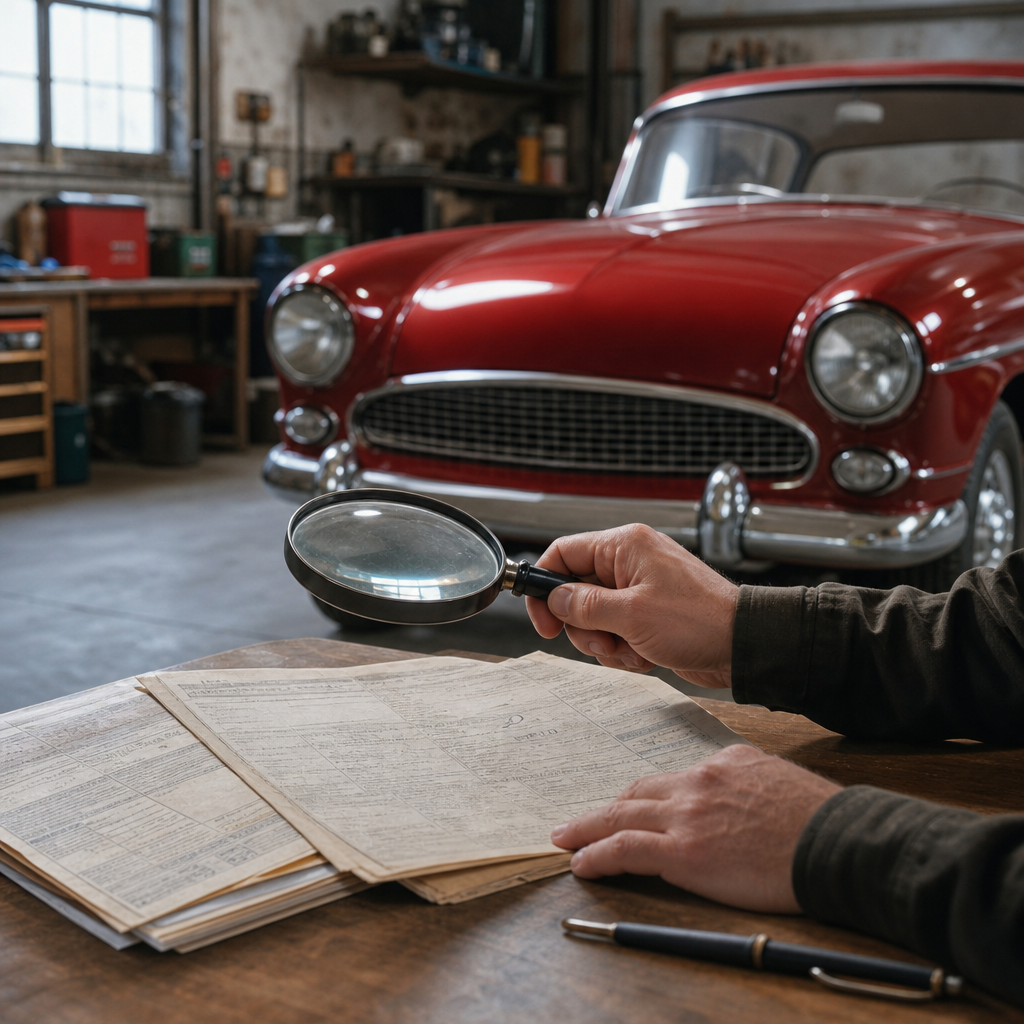
Before you commit, complete three checks: identity, authenticity, and condition. Identity means verifying that the seller owns the car and can export it legally. Authenticity means confirming chassis, engine, and gearbox details against factory records or recognized registries when possible. Condition means an independent pre-purchase inspection by a marque specialist who understands corrosion points, originality markers, and common mechanical failures for that model. For example, on a 1973 Porsche 911, mag-case engine issues and rust in suspension pan areas matter; on an E-Type, monocoque corrosion and panel fit are central; on an early Ferrari, certification status and casting details can change value dramatically.
For payment, avoid sending full funds directly without structure. Use escrow where practical, or stage payment with a deposit after contract and balance after inspection, title verification, and shipping booking. Bank wires are standard in international collector transactions, but confirm account details verbally using a known number, not only by email, because payment diversion fraud is common. Ensure the bill of sale includes chassis number, price, parties, date, mileage if stated, and any representations about originality or included parts.
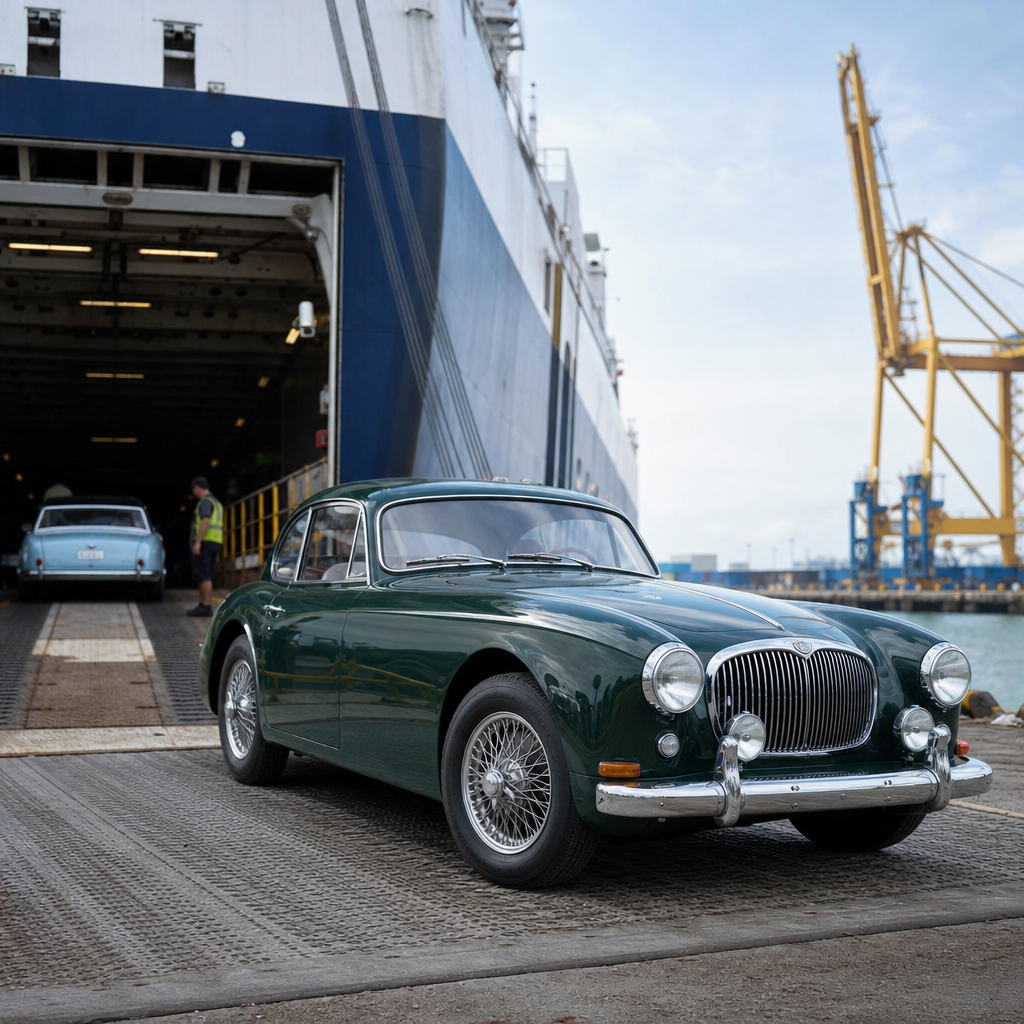
Shipping usually means container transport for higher-value cars and roll-on/roll-off for lower-cost vehicles where exposure and handling risk are acceptable. Marine cargo insurance is not optional. Photograph the car thoroughly before loading, including wheels, glass, trim, underbody if possible, and any spare parts. Work with a freight forwarder experienced in classic cars, because battery isolation, fluid rules, customs coding, fumigation rules for wood crates, and port storage charges can surprise inexperienced importers. Also verify import eligibility based on your country’s age exemptions, emissions rules, safety standards, and title conversion requirements. Many purchase problems are not buying problems at all; they are import compliance failures discovered too late.
International classic car buying works best when you match the source to the car, the country to the marque, and the transaction structure to the level of risk. Auctions are ideal for visible market pricing and rare inventory. Specialist dealers offer curation, documentation, and support that justify their margins, especially for first-time importers. Online marketplaces provide unmatched reach, but they demand stronger screening. Private sellers, clubs, and marque communities often hide the most authentic cars because enthusiast ownership tends to preserve history better than casual resale.
The core lesson on where to buy classic cars is simple: buy the seller as carefully as you buy the vehicle. Start with markets known for the model you want, insist on records and independent inspection, calculate landed cost before negotiating, and never let urgency outrun verification. A classic car bought internationally can be a rewarding long-term asset, a usable touring machine, or a meaningful piece of automotive history, but only if the sourcing process is disciplined from the first inquiry to final registration.
Use this hub as your starting point for every purchase decision under buying and selling classic cars. Build a shortlist of countries, choose the right buying channel, and line up inspection, payment, shipping, and customs support before making an offer. If you approach the search methodically, the international market stops feeling risky and starts becoming your biggest advantage.
Frequently Asked Questions
What should I check before buying a classic car from another country?
Start with the fundamentals: identity, condition, ownership history, and legality. First, confirm the car’s chassis or VIN number matches the title, registration documents, export paperwork, and any supporting records such as service books, restoration invoices, and heritage certificates. For older classics, numbering conventions can vary by manufacturer and market, so it is wise to verify how that specific make and model should be identified. Next, review the car’s provenance carefully. A strong paper trail can tell you whether the vehicle is numbers-matching, how original it is, where it has lived, and whether it has been restored, modified, or previously written off.
Condition is equally important, especially when you cannot inspect the car in person. Ask for a large set of high-resolution photos, cold-start videos, underbody images, paint meter readings if available, and close-ups of common rust areas, trim, glass, interior wear, and engine bay details. A live video walkaround can also reveal a great deal about fit and finish, panel alignment, smoke on startup, idle quality, and general honesty of presentation. If the seller’s description sounds vague or avoids specifics, treat that as a warning sign. A proper pre-purchase inspection by an independent marque specialist in the seller’s country is one of the best investments you can make. It can uncover hidden corrosion, poor repairs, incorrect components, and mechanical issues that would be expensive to correct after import.
Finally, confirm the car can actually be exported from the source country and imported into yours. Some vehicles may have outstanding finance, title problems, customs issues, or missing documents that complicate the process. Before you send money, make sure you understand your local import rules, emissions or exemption requirements, safety standards, age-based eligibility, taxes, and registration procedures. Buying internationally can be very rewarding, but success usually comes from disciplined due diligence rather than impulse.
How can I verify the authenticity and provenance of an international classic car?
Authenticity and provenance are major drivers of value in the classic car market, so they deserve close attention. Begin by comparing the car’s identifying numbers against factory records, title documents, registration history, and any available manufacturer archives. Depending on the marque, this may include the chassis number, engine number, gearbox number, body number, and trim or color codes. If originality matters to you, confirm whether the car is numbers-matching and whether it still retains its correct specification, including engine type, transmission, body style, colors, interior materials, and optional equipment. For rare models, obtaining a build sheet, factory certificate, or heritage report can be especially useful.
Provenance goes beyond whether a car is “real.” It also includes ownership history, documented mileage, restoration records, period photos, event participation, and known geographic history. A car with continuous documentation, long-term ownership, and invoices showing thoughtful maintenance typically inspires much more confidence than one with a fragmented or inconsistent story. Review older registrations, service receipts, inspection certificates, auction catalogs, and restoration photographs to identify gaps or contradictions. If a seller claims a car has celebrity ownership, race history, or an unusually rare specification, ask for documentary proof rather than relying on verbal assurances.
When buying across borders, local expertise matters. Marque clubs, registries, historians, and specialist inspectors can help validate whether details are correct for the model and market. This is particularly important for vehicles that may have been rebodied, converted, cloned, or assembled from multiple cars over time. In some segments of the market, a car can look convincing while still being materially incorrect. The goal is not only to avoid fraud, but also to make sure you are paying the right price for the exact car you are getting. A well-documented international purchase should leave you with a file that supports both confidence today and resale value later.
What is the safest way to pay for a classic car when buying internationally?
The safest approach combines verification, traceability, and clear contractual terms. Before any payment is made, confirm exactly who owns the car and who should receive funds. The seller’s name should match the title or authorized dealership documents, and all terms should be written into a signed purchase agreement. That agreement should include the vehicle’s identifying numbers, agreed price, deposit amount if any, what documents are included, whether the sale is subject to inspection, who is responsible for shipping and insurance, and when ownership transfers. If you are dealing with a dealer, verify their business registration, physical address, and reputation. If you are dealing with a private seller, be especially careful to validate identity and ownership independently.
In many international transactions, a bank wire is common, but it should not be sent casually. Ideally, use a reputable escrow service or a specialist classic car broker that can hold funds until agreed conditions are met. Escrow can reduce risk by ensuring the seller is paid only after documentation is confirmed and, in some cases, after the vehicle is delivered to the shipping agent. Be cautious of sellers who pressure you to move quickly, request payment to a third party, or change bank details at the last minute. Those are classic fraud indicators. Always verify wiring instructions verbally using trusted contact information, not just by replying to an email, since invoice interception scams are a real concern.
It is also wise to think about currency exposure and banking compliance. Exchange rates can materially affect the final purchase price, especially on expensive collector cars. For larger purchases, some buyers use foreign exchange specialists to secure better rates and reduce transfer costs. Keep full records of all invoices, transfer confirmations, correspondence, and identity checks, as your bank, customs broker, or tax authority may later require them. In short, the safest payment method is not just about how money moves; it is about having the right checks in place before it moves at all.
How does international shipping and importation work for a classic car?
Once the purchase is complete, the process generally moves through export, transport, customs clearance, and local delivery. The car must first be collected from the seller and delivered to a port or freight depot, where it is prepared for shipment. At this stage, a shipping company or freight forwarder will help arrange export documents, inspect the vehicle’s condition for transit purposes, and determine the best method of transport. The two main options are container shipping and roll-on/roll-off shipping. Container shipping usually offers better protection, more control, and the ability to ship spare parts or documentation with the vehicle, while roll-on/roll-off can be more economical for running cars but may offer less protection and flexibility.
Importation begins before the car leaves the origin country, because you should already know whether the vehicle qualifies under your destination country’s age-based exemptions or historic vehicle rules. Customs authorities may require the bill of sale, title, export certificate, shipping documents, identification numbers, and forms related to duties, taxes, emissions, or safety compliance. In some countries, classics over a certain age benefit from reduced regulatory burdens, while in others there may still be inspections, modifications, or registration hurdles even for older vehicles. This is why many buyers use a customs broker familiar with collector cars. A knowledgeable broker can help avoid delays, unexpected charges, and documentation errors that can leave a vehicle stuck at port.
Transit insurance should never be overlooked. Marine cargo insurance can protect you against damage, theft, or total loss during shipment, and you should understand exactly when coverage begins and ends. Ask whether the policy is based on purchase price, agreed value, or another valuation method. Once the car arrives, it will usually need customs clearance before release, followed by transport to your home, workshop, or storage facility. Plan for post-arrival tasks as well, including cleaning requirements, registration paperwork, mechanical recommissioning after transit, and any inspections needed for road use. The smoother your preparation, the more predictable the import process tends to be.
What hidden costs and risks should I budget for when buying a classic car internationally?
The purchase price is only one part of the total cost. Buyers should budget for pre-purchase inspection fees, currency conversion charges, bank transfer fees, transport to port, shipping, marine insurance, customs duties, value-added tax or sales tax where applicable, broker fees, port handling charges, storage fees if clearance is delayed, inland transport after arrival, and local registration costs. Depending on the vehicle and destination, there may also be expenses related to emissions exemptions, safety inspections, translation of documents, notarization, and legal review. These costs can add up quickly, so it is smart to build a realistic landed-cost estimate before making an offer.
Mechanical and cosmetic surprises are another major risk. Even an honest seller may not know every issue with an older vehicle, and shipping itself can expose weak batteries, carburetion problems, fluid leaks, or age-related faults once the car arrives. If a car has been sitting, you may need immediate recommissioning work such as tires, hoses, belts, fluids, brake service, ignition components, or fuel system cleaning. Cars that look excellent in photos can also conceal rust, filler, poor-quality restoration work, or non-original parts that reduce value. For that reason, a contingency budget is essential, especially for first-time buyers entering an unfamiliar market.
There are also transactional risks to manage. Titles can be incorrect, export paperwork can be delayed, customs classifications can be disputed, and exchange rate changes can affect