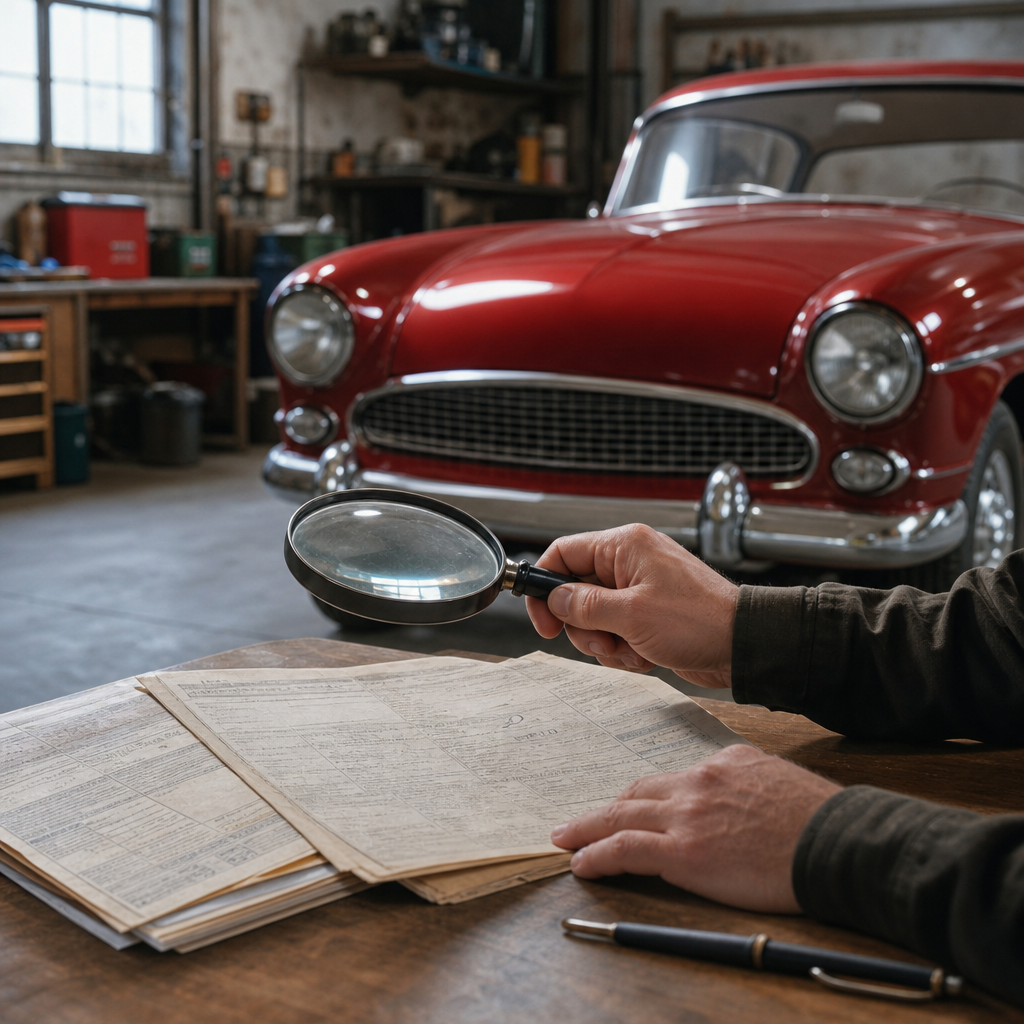

Selling a classic car is rarely just a handshake and a set of keys; it is a documentation process that proves ownership, protects both parties, supports valuation, and keeps the transaction compliant with state rules. When people ask what paperwork is needed to sell a classic car, they usually mean more than the title. In practice, the full file often includes the vehicle title, bill of sale, odometer disclosure when required, lien release, registration records, service history, authenticity documents, emissions or safety paperwork in some states, and carefully written sale terms. I have helped owners prepare cars for private sales, auctions, and brokered listings, and the deals that close smoothly almost always have complete, organized records. The deals that fall apart usually fail on preventable issues such as a missing title, an unreleased lien, inconsistent VINs, or undocumented restoration work.
A classic car adds complexity because age changes the rules and the expectations. State motor vehicle agencies do not handle a 1967 Mustang the same way they handle a late model SUV, especially on odometer disclosures, emissions exemptions, and registration class. Buyers also expect evidence that supports originality, matching numbers claims, restoration quality, and provenance. Paperwork therefore serves two functions at once: legal transfer and historical validation. If you are building a selling packet for a classic Corvette, Camaro, 911, Bronco, or F-Series truck, think of the documents as your proof set. They confirm that you own the vehicle, that you can legally transfer it, that the car is what you say it is, and that the buyer understands the transaction terms before money changes hands.
This hub article explains the paperwork needed to sell a classic car from start to finish. It covers the must-have legal documents, the supporting records that increase buyer confidence, the state-by-state variables that affect old vehicles, and the common mistakes that delay payment or create disputes after delivery. Use it as your main reference before listing the car, before meeting buyers, and before signing over the title.
The core legal documents every classic car seller should prepare
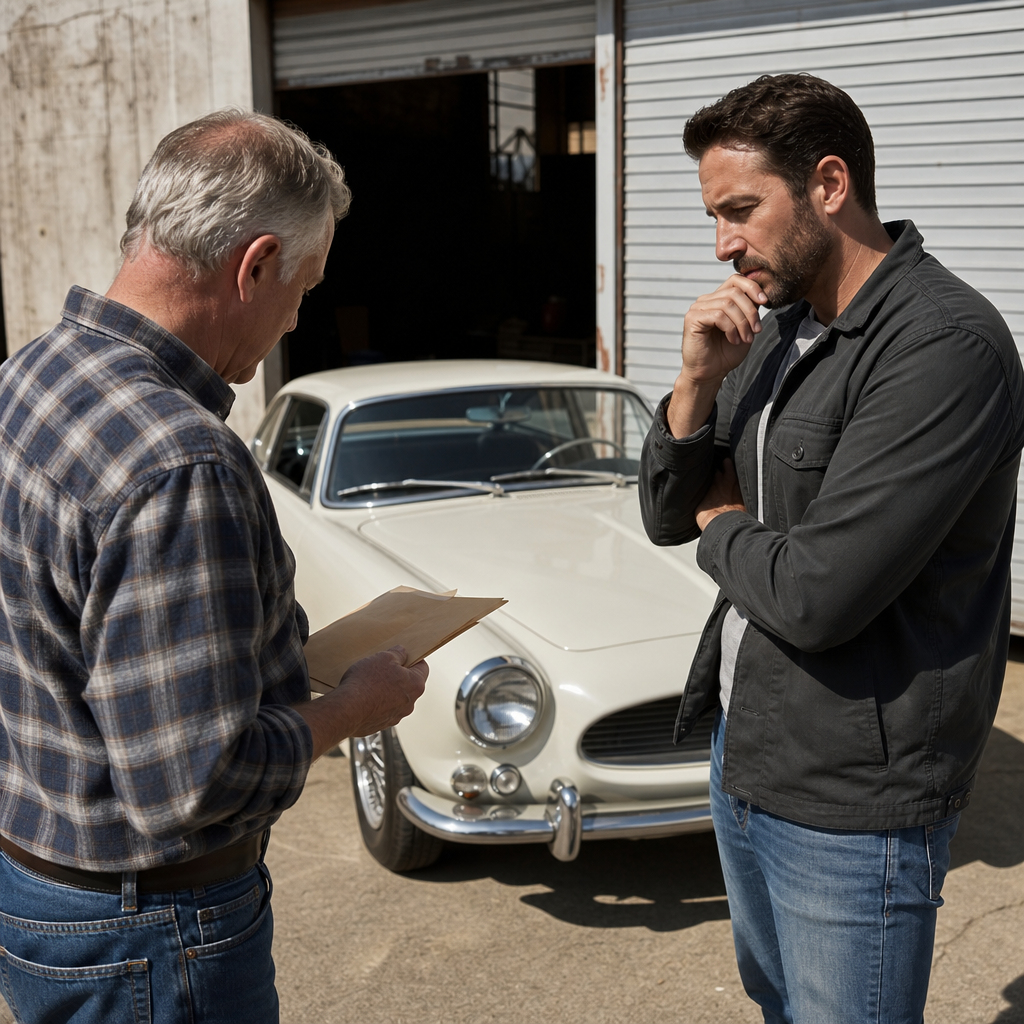
The title is the primary ownership document in most sales, and it must be accurate before you advertise the car. Check that the name on the front matches your identification, the VIN on the title matches the VIN on the car, and any co-owner signatures required by the title wording are available. If the car is titled to “John and Mary Smith,” both may need to sign depending on state format. If there is a lien recorded, you need a lien release from the lender even if the loan was paid years ago. Many failed classic car sales trace back to old bank liens that were never formally cleared from DMV records.
A bill of sale is the second essential document. Some states require it; even where optional, I consider it mandatory because it records the sale date, purchase price, buyer and seller information, VIN, mileage reading if applicable, and the fact that the vehicle is sold under stated terms. A strong bill of sale also identifies deposits, included parts, and whether the sale is final. For collector cars, I always recommend adding a plain-language statement about the vehicle being sold as-is unless your state imposes different rules. That sentence does not excuse fraud, but it does reduce disputes over normal age-related issues on older vehicles.
Registration and identification records also matter. Keep your current registration card available because buyers often want confirmation that the car has recently been registered in your name. If your state issues antique, historic, or collector plates, that may support the car’s use classification, though plates are usually not transferred with the vehicle unless state rules allow it. Have a government-issued ID ready at signing so the buyer can verify the seller’s identity against the title. Serious buyers, transporters, and escrow providers routinely request this verification.
Depending on the car’s age and your state, an odometer disclosure may or may not be required. Federal odometer disclosure rules historically exempted older vehicles after a certain age threshold, and many classic cars fall into that exempt category. Still, never guess. Check your state DMV forms because some jurisdictions have their own disclosure practices. If the odometer has rolled over, is inoperative, or shows mileage not believed actual, disclose that clearly in writing. On vintage vehicles, honesty about mileage uncertainty is better than a misleading low number that triggers a dispute later.
Supporting records that make a classic car easier to sell
Once the legal basics are covered, supporting records become the difference between a hard sell and a confident sale. Service records are the most useful because they show how the car has been maintained. Buyers want invoices for engine work, transmission rebuilds, brake service, suspension refreshes, and recent tune-up items. A folder of dated receipts from known shops can justify value more effectively than broad claims like “runs great.” If the car has been restored, organize the restoration records by system: body, paint, engine, drivetrain, interior, chrome, and electrical.
Authenticity documents are especially important for high-value models. On muscle cars, buyers often look for build sheets, window stickers, protect-o-plates, dealer invoices, and marque-specific reports. Chevrolet buyers may request NCRS-related documentation or casting number verification. Corvette sellers benefit from documenting engine pad stampings, trim tag details, and option codes. Porsche buyers often expect a Certificate of Authenticity or production specification data. For Ford products, a Marti Report is a recognized source for confirming factory equipment on many vehicles. These documents do not replace the title, but they materially affect credibility and pricing.
Photographic history is another underestimated asset. Before-and-after photos from a restoration, underside images, bodywork photos, and pictures of stampings help prove the car’s condition and history. I have seen buyers pay a premium simply because a seller could show metal replacement, rust repair, and drivetrain work step by step. Without those images, the same work can look like a guess. Manuals, warranty booklets, spare keys, original brochures, and even period sales paperwork also help because they reinforce completeness and careful ownership.
| Document | Why it matters | Typical issue if missing |
|---|---|---|
| Signed title | Legally transfers ownership | Buyer cannot register vehicle |
| Bill of sale | Records price, date, VIN, and terms | Tax, deposit, or condition disputes |
| Lien release | Proves loan has been satisfied | DMV shows lender interest |
| Service records | Supports condition and maintenance claims | Buyer discounts value for uncertainty |
| Authenticity documents | Supports originality and options | Matching numbers claims are doubted |
| Restoration photos and receipts | Shows scope and quality of work | Buyer assumes cosmetic-only restoration |
State requirements, title problems, and special situations
The phrase paperwork needed to sell a classic car changes by state, and this is where many sellers get caught off guard. Some states require notarized signatures on titles. Some require a separate release of liability notice after the sale. Some need a smog certificate for certain model years, while others exempt antiques or vehicles beyond a rolling age threshold. Departments of motor vehicles, secretaries of state, and revenue departments publish these requirements, and you should verify them before listing the car because a buyer will expect a ready-to-transfer package.
If the title is missing, solve that before marketing the vehicle unless you are explicitly selling parts only. A bonded title, duplicate title, or court-ordered process may be necessary depending on the jurisdiction. Classic cars that have been off the road for decades often carry title gaps caused by estate transfers, lost paperwork, or old state systems that never digitized records. Estate sales add another layer: the seller may need letters testamentary, small-estate affidavits, or probate documents proving authority to sign. If the car belongs to a trust, LLC, or business, bring the documents showing signing authority.
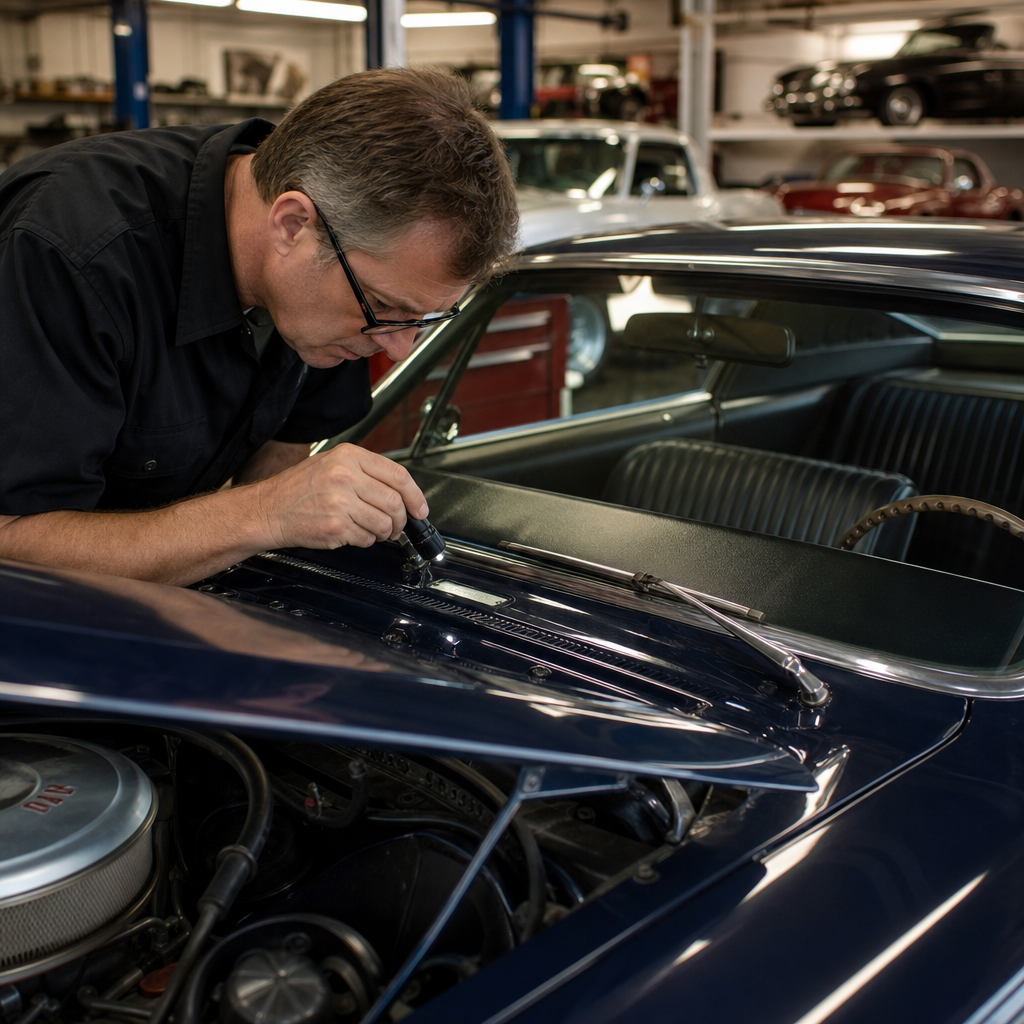
VIN issues deserve special attention on classic cars because older vehicles may have VIN plates, body tags, engine stampings, and frame stampings that are not in the same location or format as modern vehicles. Before sale, compare the title VIN to the public VIN plate and any secondary stampings that are commonly checked for that model. If there is a discrepancy, do not ignore it. Resolve it through your state agency or a qualified title service before closing. A mismatch that seems minor to a casual seller can make the car impossible for the buyer to register or insure.
Imported classics present another paperwork set. Buyers may ask for Customs and Border Protection forms, DOT and EPA exemption paperwork where relevant, and foreign registration documents. Gray-market cars, right-hand-drive imports, and vehicles imported under the 25-year rule need particularly careful records. If your classic car was imported from Japan, Germany, or the UK, keep the customs entry, shipping paperwork, and any state inspection approvals in the sale file. These documents reassure buyers that the importation was completed lawfully and that the title chain is clean.
How to assemble a seller packet that builds trust and protects the deal
The best way to sell a classic car is to prepare a complete seller packet before the first serious inquiry. I recommend building both a physical binder and a digital folder. Start with a cover sheet listing the year, make, model, VIN, engine, transmission, color, major options, and asking price. Follow that with the title copy, registration, lien release if applicable, and a draft bill of sale. Then add service records in chronological order, restoration receipts grouped by category, authenticity documents, recent inspection reports, tire date codes, and a parts inventory for any spares included in the deal.
Your written description should match your paperwork exactly. If you advertise “matching numbers,” be prepared to show the relevant stampings and documentation that support that claim. If you say “frame-off restoration,” have receipts and photos demonstrating body separation and chassis work. If the paint is older, say so. If the engine was replaced with a period-correct block rather than the original unit, disclose that clearly. Clear paperwork paired with accurate language attracts better buyers and reduces time wasted with people who expect a different car than the one you are selling.
Payment and delivery documents also belong in the packet. For private party sales, note whether you will accept bank wire, cashier’s check, escrow, or cash, and state when the title and vehicle will be released. Escrow.com and collector-car auction services have structured processes that many buyers trust for high-value transactions. If the car will be shipped, include a vehicle condition acknowledgment and copies of transporter information. Remove your license plates when state law requires it, submit any release of liability form immediately, and keep copies of every signed document for your records.
Finally, remember that complete paperwork does more than satisfy legal rules. It shortens negotiation, strengthens your asking price, helps online listings perform better, and gives the next owner confidence that the car’s story is real. If you are preparing to sell a classic car, start with the title, build out the supporting records, verify your state requirements, and organize everything before the listing goes live. Buyers pay faster and with fewer objections when the documents are ready. Use this page as your hub, then move through your selling checklist item by item so the transaction is clean, compliant, and worth the car you have preserved.
What paperwork is needed to sell a classic car? At minimum, you need a transferable title, a clear bill of sale, valid identification, and any lien release required to show the vehicle can legally change hands. In many transactions, you also need registration details, state disclosure forms, and a release of liability submission after the sale. For older vehicles, mileage disclosure rules may be limited or exempt, but sellers should still document the odometer reading and disclose uncertainty honestly. Those core documents handle the legal side of the transaction. The rest of the file handles the buyer confidence side, which is just as important when collector values are involved.
The strongest classic car sales include organized service records, restoration invoices, authenticity reports, import papers if relevant, spare parts lists, photographs, and written notes explaining what is original, what has been replaced, and what still needs attention. That documentation answers the questions serious buyers always ask: Is the car authentic, is the ownership chain clean, what work has been done, and can I register it without trouble? When those answers are in writing, the sale moves faster and with less friction. When they are missing, buyers assume risk and lower their offers accordingly.
If you are selling a classic car, do the paperwork before you write the listing. Confirm the title status, fix any VIN or lien problems, gather your records, and prepare a complete seller packet that a buyer can review in one sitting. That approach protects you, supports your price, and makes the handoff professional. Use this hub as your starting point, then apply the same discipline to pricing, photos, advertising, screening buyers, and closing the deal. Good paperwork does not just complete a sale; it helps create the right sale.
Frequently Asked Questions
What documents do I absolutely need to sell a classic car?
At a minimum, most classic car sales require a valid vehicle title that proves you own the car and have the legal right to transfer it to a buyer. If the title is missing, damaged, or still in a previous owner’s name, that issue should be resolved before listing the vehicle. Beyond the title, a bill of sale is strongly recommended in every classic car transaction, even in states where it is not strictly required. A good bill of sale identifies the buyer and seller, the purchase price, the vehicle identification number, the date of sale, and the terms of the transaction. For many sellers, that document becomes an important record that helps establish when ownership changed and what was agreed to.
In addition to those basics, you may also need an odometer disclosure if your state requires one, a lien release if there was ever a loan against the vehicle, and current or prior registration records to support the paper trail. For a classic car, the file often goes beyond legal transfer documents and includes service records, restoration receipts, authenticity paperwork, appraisals, and historical documentation. Those extra documents may not always be mandatory for the DMV, but they can be extremely valuable in proving the car’s history, supporting the asking price, and giving the buyer confidence that the vehicle is represented accurately.
Do I need a bill of sale if I already have the title?
Yes, in most cases it is wise to prepare a bill of sale even if the signed title is enough to transfer ownership under state law. The title handles the formal transfer of ownership, but the bill of sale fills in many details that titles often do not capture clearly. It can document the full legal names and addresses of both parties, the exact sale price, the date and time of the transaction, the VIN, the mileage shown on the odometer, and any special terms such as a deposit, included spare parts, or the vehicle being sold as-is. That level of detail helps prevent confusion after the sale.
For classic cars, a bill of sale is especially useful because these transactions often involve vehicles with unique histories, modified components, or collector value that is not obvious from the title alone. A bill of sale can also help with tax reporting, registration, and insurance questions that arise later. If a buyer claims something different was promised, or if there is a dispute about when the car changed hands, the bill of sale can become one of the most important pieces of evidence. In short, the title transfers ownership, but the bill of sale helps protect both sides of the deal.
Are odometer disclosures required when selling a classic car?
Sometimes, but not always. Odometer disclosure rules depend on federal and state requirements, and classic cars are often treated differently based on age. Many older vehicles are exempt from odometer disclosure because of their model year, but the exact cutoff can vary depending on current law and how your state applies federal standards. That means a seller should never assume a classic car is automatically exempt just because it is old. It is important to check the current rules with your state motor vehicle agency before completing the paperwork.
Even if the vehicle is exempt, it is still smart to be accurate and transparent about mileage. Many classic cars have five-digit odometers, replacement gauges, or mileage histories that are impossible to verify with certainty. If the actual mileage is unknown, the paperwork should reflect that honestly rather than guessing. For collector vehicles, mileage can affect value significantly, so misstatements can create legal and financial problems later. If your title, bill of sale, or state forms include a mileage section, complete it carefully and consistently with the vehicle’s known history.
What if there is a lien, missing title, or other ownership issue?
Ownership problems should be cleared up before the sale whenever possible. If there is an active or previously recorded lien on the title, the seller should obtain a lien release from the lender showing that the debt has been satisfied. Buyers are understandably cautious about vehicles with unresolved title issues because a lien can interfere with registration and legal ownership transfer. Even if the loan was paid off years ago, the title record may still need to be updated, and the lien release may be necessary to complete the transfer cleanly.
If the title is missing, the seller should apply for a duplicate title through the state motor vehicle agency before trying to finalize the deal. If the title is in the name of a deceased owner, an estate, a trust, or an earlier owner in the chain, additional documents may be required, such as probate papers, affidavits, or powers of attorney. Classic cars can also present complications when they have been off the road for decades or passed through multiple owners informally. In those cases, it is best to resolve the chain of ownership first rather than expecting the buyer to sort it out. Clean paperwork is one of the strongest selling points a classic car can have.
What extra paperwork helps prove a classic car’s value and history?
For a classic car, the most persuasive file often includes much more than state-required transfer documents. Service records, restoration invoices, parts receipts, ownership history, original manuals, window stickers, build sheets, factory documentation, judging sheets, photographs of the restoration, and appraisal reports can all add credibility and value. If the car has matching numbers, a rare trim package, a special engine, or documented provenance, authenticity documents are particularly important. These records help show that the car is what the seller says it is and that the asking price is supported by evidence rather than opinion alone.
Buyers in the collector market often pay close attention to documentation because originality and provenance can have a major effect on value. A well-organized folder of records can make the sale smoother, shorten negotiations, and reduce suspicion. It is also useful to provide registration history when available, as it helps create a timeline of the car’s life. None of these documents replaces the need for a proper title and bill of sale, but together they create a complete paper trail that protects both parties and makes the vehicle easier to evaluate, insure, register, and enjoy after the sale.