Selling a collector vehicle often hinges on one risky moment: the test drive. In the classic car market, where values can range from a few thousand dollars to six figures, a poorly managed drive can lead to theft, mechanical damage, liability claims, or a sale that falls apart because the buyer never gained confidence in the car. Knowing how to handle test drives safely is therefore not a minor detail. It is one of the central skills in selling a classic car well.
A test drive is the controlled evaluation of a vehicle by a prospective buyer on public or private roads. In the context of selling a classic car, it is different from a modern used-car test drive. Older vehicles may have manual steering, drum brakes, carburetors, non-synchronized transmissions, weak air conditioning, long stopping distances, and values tied closely to originality. Many classics also have parts that are costly or hard to replace. That means the seller must balance two goals that sometimes conflict: protecting the car and giving the buyer enough access to make an informed decision.
From my own work around private-party collector car sales, I have seen the same mistake repeatedly: sellers either refuse all test drives and scare away serious buyers, or they hand over keys too early and create unnecessary exposure. The right approach is structured, documented, and calm. You verify the buyer, inspect insurance, pre-qualify intent, set a route, explain the car’s operating quirks, control who drives and when, and document the condition before and after the drive. Those steps reduce risk without making the interaction adversarial.
This article serves as a hub for the broader subject of selling a classic car. Safe test drives connect directly to pricing, buyer screening, paperwork, transport, negotiation, title transfer, and fraud prevention. If you are building out a selling plan, think of the test drive as the point where all of those topics meet. A strong listing attracts inquiries, buyer qualification filters time-wasters, maintenance records support confidence, and a safe handoff process protects both parties once the car moves. Handle the drive correctly, and you increase trust while lowering the odds of loss.
Why test drives matter when selling a classic car
Most genuine buyers want more than a static inspection. They want to know whether the engine starts cleanly hot and cold, whether the transmission shifts as expected, whether the gauges work, whether the suspension tracks straight, and whether the car behaves consistently under load. On a classic, those questions matter even more because the buyer is often evaluating originality, drivability, restoration quality, and future maintenance costs at the same time. A 1967 Mustang with a recent engine rebuild but vague road manners tells a different story from one with documented service and a composed drive.
A safe test drive also helps avoid later disputes. If a buyer has driven the car, heard the gear whine, felt the brake pedal effort, and seen the temperature needle in traffic, it is much harder for that buyer to claim surprise later. In practice, this protects sellers. Clear expectations are one of the best forms of risk control in any private sale. The drive is not just for persuasion; it is evidence that the buyer had a fair chance to evaluate the vehicle’s condition.
There is another reason test drives matter: classics are emotional purchases, but serious buyers still need operational proof. I have watched hesitant buyers commit after a well-run, twenty-minute route that included city traffic, a smooth secondary road, and a short highway segment. They did not need speed. They needed confirmation that the car matched the description. That is what a safe, structured test drive should provide.
Pre-qualify buyers before any keys change hands
Before discussing a test drive, determine whether the person is a plausible buyer. Ask direct, professional questions: Have you owned classic cars before? Are you prepared to purchase within this timeline? Have you arranged funds? What specifically interests you about this model? Serious buyers usually answer clearly. Time-wasters tend to stay vague, ask for joyrides immediately, or avoid discussing budget. In collector car sales, pre-qualification is not rude. It is basic transaction management.
Require a phone conversation before meeting. Voice contact often reveals whether the buyer understands the car. If you are selling a big-block Chevelle, early Porsche 911, or air-cooled Volkswagen, a genuine buyer normally asks model-specific questions about engine numbers, rust areas, recent service, originality, or documentation. Someone who jumps straight to “Can I drive it tonight?” without discussing condition is not ready for a supervised road evaluation.
Money matters too. For high-value classics, it is reasonable to ask for proof of funds before a drive. That can be a bank letter, screenshot with sensitive details hidden, or confirmation from a dealer or broker involved in the purchase. Many experienced sellers allow passenger rides first, then permit buyer driving only after price range and ability to pay are established. This is especially prudent for six-figure cars or rare, fragile examples.
Verify identity, license, and insurance every time
The minimum standard is simple: check the buyer’s driver’s license, photograph it with permission, and confirm that the name matches the person present. You should also verify current insurance. A valid license alone does not prove coverage. Ask for an insurance card and have the buyer confirm that the policy covers operation of non-owned vehicles. In the United States, coverage rules vary by state and carrier, so do not guess. If needed, ask the buyer to call their insurer on speaker and confirm coverage for a test drive.
You should also review your own policy before listing the car. Some collector policies from Hagerty, Grundy, and similar specialty insurers have restrictions around who may drive the car, where it may be used, and whether commercial or broad permissive use applies. Standard personal auto insurance may respond differently from agreed-value collector coverage. Read the declarations page and endorsements. If your insurer limits occasional drivers or excludes certain uses, build your process around that limitation.
For expensive vehicles, use a short signed test-drive agreement. It should state the date, driver’s name, license number, vehicle identification, route expectations, responsibility for traffic violations, and acknowledgment that the car is an older vehicle with non-modern handling and braking characteristics. This will not eliminate all legal risk, but it creates a clear record of consent and expectations.
Prepare the classic car before the drive
A safe test drive starts long before the buyer arrives. Inspect tire age and pressure, fluid levels, lights, horn, throttle return, brake feel, and battery security. If the car has known issues that could affect safe operation, fix them before allowing any road use. A sticking throttle, soft brake pedal, overheating tendency, or intermittent charging problem is not something to “mention and hope for the best.” It is a reason to postpone the drive.
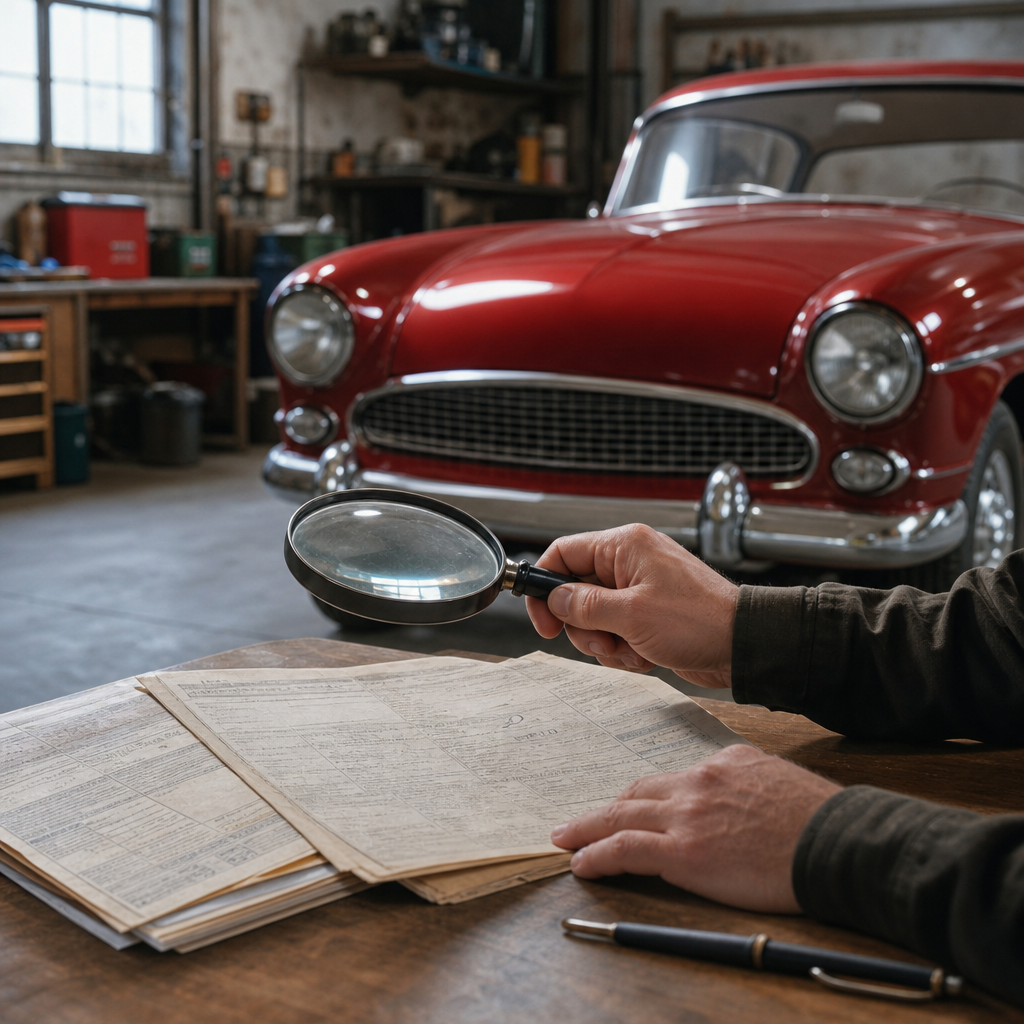
Presentation matters too. Keep maintenance records, restoration photos, and receipts organized in a folder. Have the title status ready to explain. If the odometer reading is exempt due to age, state that clearly. If there are quirks, disclose them before the engine starts. For example: “The choke needs a minute when cold,” or “Second gear likes a deliberate shift when the gearbox is cold.” Serious buyers appreciate candor because it signals that the rest of your description is probably accurate.
Before moving, walk the buyer around the car and document current condition with timestamped photos. Capture all four corners, wheels, bumpers, glass, trim, and interior wear points. This takes three minutes and can prevent arguments later about a curb rash mark or door ding that was already present.
Use a controlled process for the actual test drive
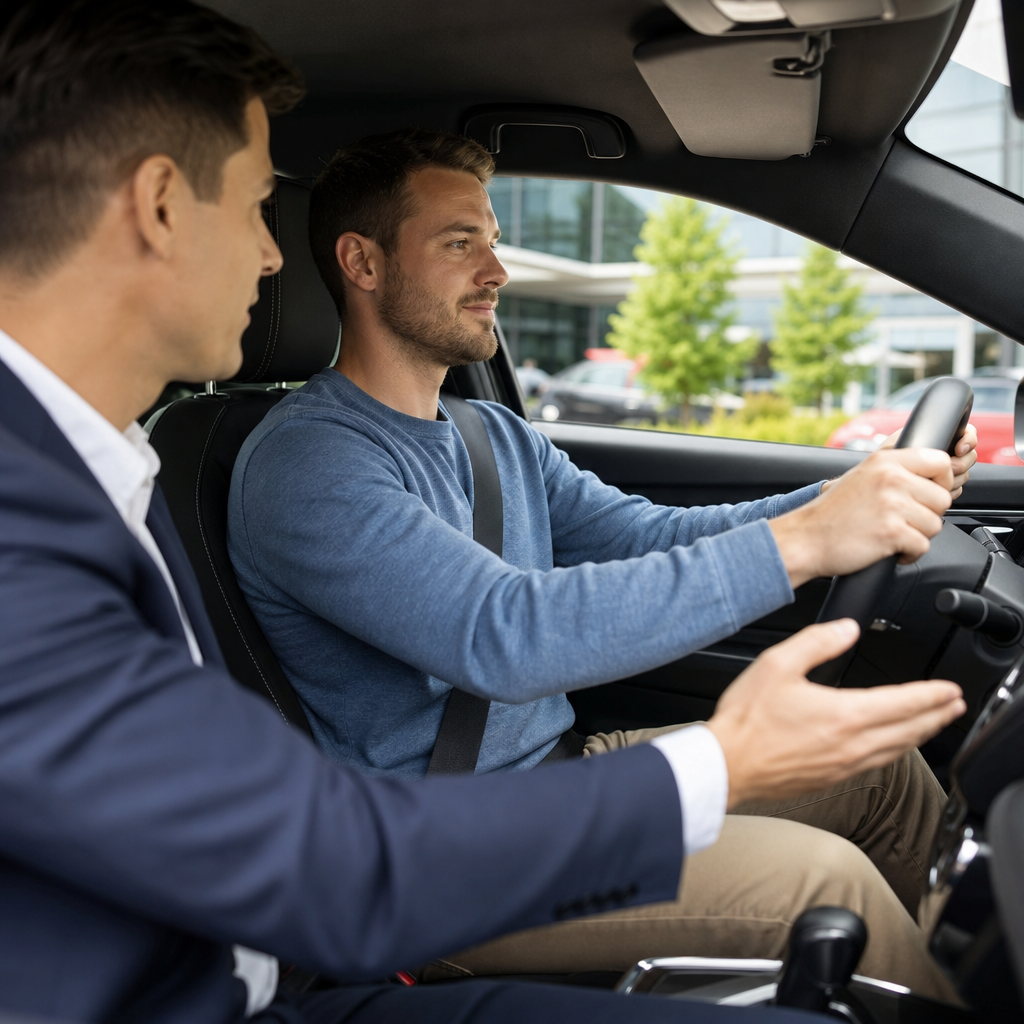
The safest sequence is seller drives first, buyer rides along, then buyer drives only if comfort and qualification are established. This approach lets you demonstrate cold or warm start behavior, steering play, braking feel, shift technique, and any operating procedures unique to the car. It also lets you assess whether the buyer listens well and respects instructions. If the buyer dismisses basic guidance while in the passenger seat, do not switch roles.
Plan a route in advance. A good classic-car test-drive route is usually fifteen to thirty minutes and includes neighborhood speeds, a moderate arterial road, and, if appropriate, a brief highway section. Avoid crowded downtown areas, school zones at pickup time, aggressive merge points, and rough roads that could damage suspension or low exhaust systems. Daylight is best. Dry weather is strongly preferred, especially for rear-wheel-drive cars on older tires or vehicles with vacuum wipers and weak demisters.
| Test-drive stage | What the seller should do | Why it improves safety |
|---|---|---|
| Before movement | Verify license, insurance, route, and signed agreement | Reduces legal ambiguity and screens out unserious drivers |
| Seller demonstration | Drive first and explain quirks, braking distance, and shift technique | Sets expectations and prevents mishandling |
| Buyer driving | Stay in the car, limit route, prohibit passengers and distractions | Keeps control and lowers theft or accident risk |
| After return | Inspect condition, review impressions, document any issues | Catches damage quickly and supports negotiation clarity |
When the buyer takes the wheel, keep instructions simple and specific. Tell them where to go, remind them of braking distance, and explain any non-standard features such as floor-mounted high beams, overdrive controls, manual choke, or heavy clutch engagement. Do not allow friends, children, or extra passengers to join. One buyer, one seller, one route is the cleanest rule.
Special risks unique to classic cars
Classic cars present hazards that many younger drivers have never experienced. Manual drum brakes may require significantly more pedal effort than modern discs with brake assist. Recirculating-ball steering can feel loose on center. Carbureted engines may stumble when cold. Older automatics can shift lazily, and some manual gearboxes do not tolerate rushed shifts. Convertibles may have limited visibility with the top up. Cars without shoulder belts present obvious injury risk.
Heat management is another issue. Many classics run warmer in traffic than modern cars, and some owners know to watch the gauge, use heater output strategically, or avoid long idle periods on hot days. A buyer who does not understand that can unintentionally stress the engine. The same is true for low-octane fuel requirements, mechanical fuel pumps, and old cooling systems. Explain what is normal and what is not.
Theft risk is real as well. Desirable classics are easier to target than many modern cars because they may lack immobilizers, GPS tracking, or sophisticated alarms. Never let a buyer drive alone. Never hand over keys while you remain standing outside the car. Meet at your home only if you are comfortable doing so; otherwise use a monitored public location near your storage facility or a reputable repair shop familiar with the vehicle.
How safe test drives fit into the broader process of selling a classic car
If this page is your hub for selling a classic car, place test-drive safety in context with the full transaction. It starts with accurate pricing based on comparable sales from Bring a Trailer, Hemmings, Mecum results, RM Sotheby’s archives, and model-specific forums. It continues with a truthful listing that includes VIN details, drivetrain information, restoration scope, known flaws, and high-resolution photos. Good listings attract better buyers, which makes safer test drives easier from the beginning.
Next comes documentation. Gather title records, service invoices, ownership history, concours sheets if applicable, and authenticity documents such as Porsche Certificate of Authenticity or factory heritage records where available. Strong paperwork reduces the need for risky “prove it on the road” behavior because much of the car’s story is already verified. Then comes buyer screening, followed by inspection, deposit handling, bill of sale preparation, payment verification, and final release only after funds clear.
Seen this way, the test drive is not an isolated event. It is one checkpoint inside a disciplined sales workflow. Sellers who do every earlier step well usually face fewer problems during the drive because the buyer arrives informed, qualified, and motivated. That is the main benefit of treating selling a classic car as a process rather than a casual listing exercise.
What to do after the drive and before the sale closes
When the drive ends, inspect the car immediately. Look for wheel damage, new leaks, unusual smells, warning lights, or signs of clutch abuse. Then ask the buyer direct questions: Did anything concern you? Do you want a pre-purchase inspection? What additional documentation would help you decide? This keeps momentum while showing professionalism. Many successful sales move from test drive to deposit because the seller answers the next question before the buyer has to ask it.
If the buyer wants an independent inspection, that is usually a good sign. Use a reputable specialist familiar with the marque. Once terms are agreed, take a deposit, define whether it is refundable, and stop casual test drives for other shoppers. At closing, verify payment by bank wire or other secure method, complete a detailed bill of sale, sign title documents according to state rules, and remove plates only where required by law. If the car is being shipped, photograph loading and keep copies of the carrier paperwork.
Handle test drives safely, and you protect more than sheet metal. You protect value, credibility, negotiating leverage, and your time. For anyone selling a classic car, that discipline pays off from the first inquiry to the final handover. Build a checklist, follow it every time, and treat each drive as a controlled step toward a clean, confident sale.
Frequently Asked Questions
How should I prepare a collector car before allowing a test drive?
Preparation is the first layer of safety, and it matters just as much as what happens once the car is moving. Before any buyer gets behind the wheel, make sure the vehicle is mechanically ready for a short, controlled drive. Check fluid levels, tire pressure, lights, brakes, battery condition, and fuel level. A collector car does not need to be perfect to be sold, but it should be safe to operate under normal road conditions. If the car has quirks such as a stiff clutch, weak synchros, manual choke, heavy steering, or a brake pedal that needs extra pressure, identify those issues in advance so the driver is not surprised.
It is also smart to remove unnecessary valuables, documents with sensitive information, garage remotes, or personal items from the car. Have your registration and proof of insurance available, but do not leave paperwork loose in the cabin where it can be photographed or taken. If the buyer appears serious, explain the car’s operating procedures before the drive starts. Many classics behave very differently from modern vehicles, and a buyer who knows how to start, warm, shift, stop, and park the car properly is much less likely to damage it. Good preparation helps protect the car, reduces liability, and creates a more professional experience that builds buyer confidence.
What is the safest way to qualify a buyer before a test drive?
The safest test drive starts with screening the person, not handing over the keys. You should confirm that the buyer is legitimate, serious, and legally able to drive. Ask to see a valid driver’s license and verify that the name matches the person in front of you. In many private sales, it is also reasonable to ask whether the buyer has insurance that would apply during a test drive. For higher-value collector cars, sellers often require proof of funds or a meaningful deposit before any drive takes place, especially if the car is rare, expensive, or easy to steal.
Just as important, spend a few minutes talking with the buyer before the drive. Ask what experience they have with older cars, manual transmissions, carbureted engines, non-assisted brakes, or right-hand-drive vehicles if applicable. A serious buyer will usually understand why these questions matter. Someone who becomes evasive, pushy, or offended by reasonable precautions may not be the right person to let behind the wheel. In the collector market, protecting the car is part of the sales process. Qualifying the buyer is not rude; it is standard risk management. It helps you avoid wasted time, prevents unsafe situations, and signals that you are selling the car responsibly.
Should I go along on the test drive, and how can I keep it controlled?
Yes, in most cases you should always accompany the buyer on the test drive. Letting a stranger take a collector car alone creates unnecessary exposure to theft, reckless driving, mechanical abuse, and insurance complications. Riding along allows you to guide the route, explain the vehicle’s characteristics, and step in if the buyer does something unsafe. It also gives you a chance to answer questions in real time, which often improves the odds of a sale because the buyer gets context for the way the car drives.
To keep the drive controlled, choose the route in advance. A good test-drive loop is short, familiar, and varied enough to demonstrate the car properly without encouraging risky behavior. Ideally, it includes low-speed streets, a few turns, smooth braking opportunities, and perhaps a brief stretch where the buyer can feel the car settle at road speed. Avoid crowded urban areas, aggressive traffic, rough roads, or isolated locations. Set expectations before moving: no hard acceleration, no redline shifts, no abrupt braking unless necessary, and no detours. If the car has special operating instructions, explain them before the buyer starts driving. A controlled route protects the car while still letting a serious buyer evaluate whether it feels right.
What legal and insurance issues should I think about before a test drive?
Legal and insurance details are easy to overlook, but they can become the biggest problem if something goes wrong. Before allowing any test drive, review your own auto insurance policy and, if the car is covered by a specialty collector vehicle policy, understand exactly what is and is not permitted. Some collector policies have usage restrictions, mileage limitations, or conditions related to who may drive the car. Do not assume coverage automatically applies just because the vehicle is insured. It is worth calling your insurer in advance if you are unsure how test drives are handled.
From a liability standpoint, documentation helps. Many sellers keep a simple record of the prospective buyer’s name, phone number, license information, and the date and time of the drive. Some use a signed acknowledgment stating that the buyer is licensed and agrees to operate the vehicle responsibly. While this does not replace proper insurance or legal advice, it does show that you acted prudently. You should also understand local laws regarding registration, temporary operation, and where an unregistered or partially restored vehicle may legally be driven. In a high-value transaction, especially with a rare or six-figure collector vehicle, involving a dealer, broker, or escrow-style process may add useful protection. The key idea is simple: know your coverage, document the interaction, and never improvise on legal exposure.
How can I let a buyer experience the car without taking unnecessary risks?
A safe test drive is about balance. The buyer needs enough time and freedom to understand the car, but not so much freedom that the situation becomes dangerous or uncontrolled. One of the best ways to manage this is to structure the drive in stages. Start by driving the car yourself for a few minutes. This lets you demonstrate cold or warm starting behavior, steering feel, brake response, temperature stability, and general operation. It also reassures the buyer that the car performs as represented. After that, if the buyer seems qualified and comfortable, switch seats and let them drive the preplanned route while you remain in the passenger seat.
You can also reduce risk by tailoring the test drive to the car’s value and condition. A freshly restored car, an ultra-rare model, or a vehicle with fragile components may justify a more limited drive than a driver-quality classic. If the buyer mainly wants to assess fit, visibility, clutch action, gearbox feel, and road manners, a short route may be enough. For especially sensitive or expensive cars, some sellers require an agreed purchase price, refundable deposit, or proof of available funds before permitting the buyer to drive. This is common in the collector world and often signals to serious buyers that the car is being handled professionally. The goal is not to create barriers for legitimate interest. It is to allow a meaningful evaluation while protecting the vehicle, the seller, and the transaction itself.