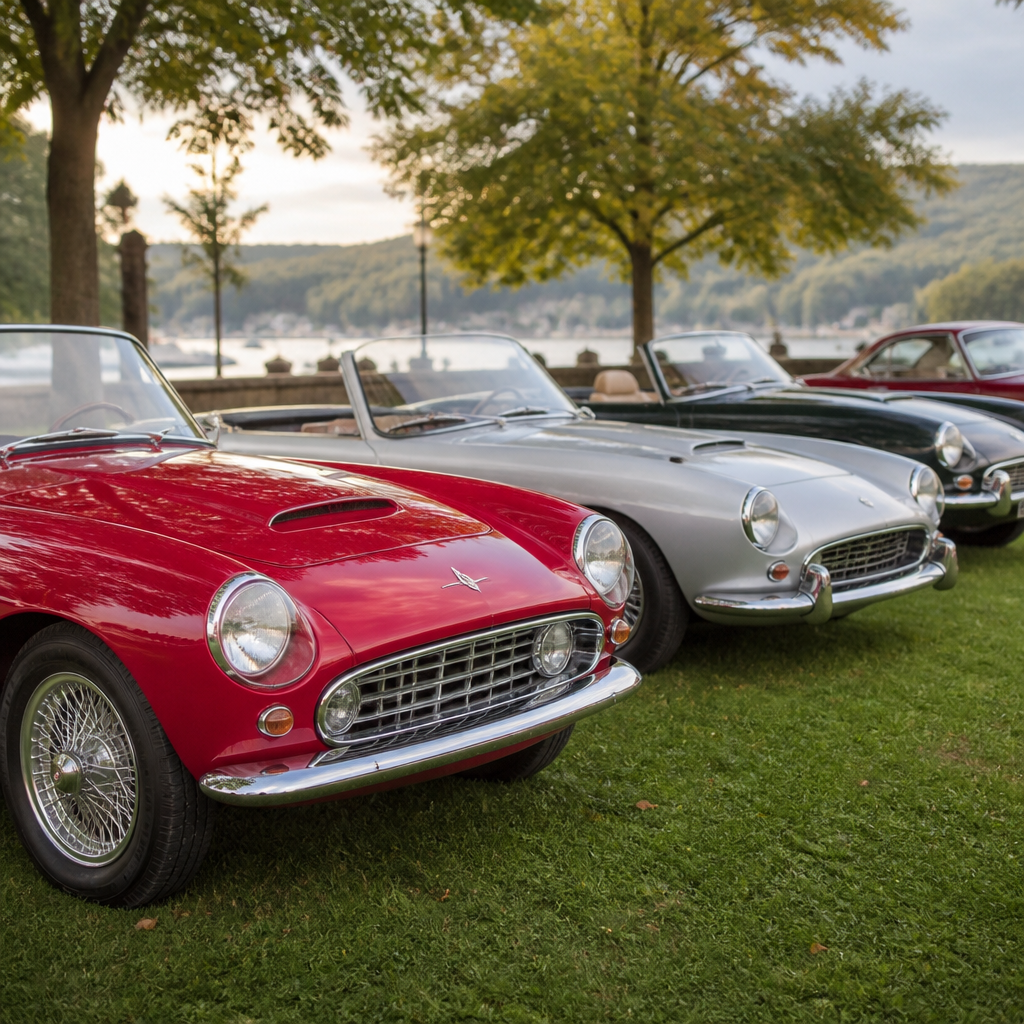
Classic car ownership costs reach far beyond the purchase price, and that reality surprises even enthusiastic buyers. A vintage Mustang, Porsche 911, Jaguar E-Type, or Chevrolet Bel Air may look like a smart passion purchase when compared with six-figure modern collector cars, but the true cost of ownership includes insurance, maintenance, storage, restoration, taxes, registration, and the ongoing expense of finding skilled labor and rare parts. In practical terms, the hidden costs of classic car ownership are the recurring and unexpected expenses required to keep an older vehicle safe, roadworthy, authentic, and valuable over time.
I have worked with owners who budgeted carefully for acquisition, then watched their annual costs double because a fuel system needed rebuilding, rust appeared under old paint, or an agreed-value insurance policy changed after a fresh appraisal. That pattern is common because classic cars operate under different rules than daily drivers. Age, scarcity, older materials, discontinued components, and specialist knowledge all create a cost structure that is less predictable than modern car ownership. Even a well-bought survivor car can become expensive if it sits too long, is stored poorly, or enters a restoration cycle without a disciplined plan.
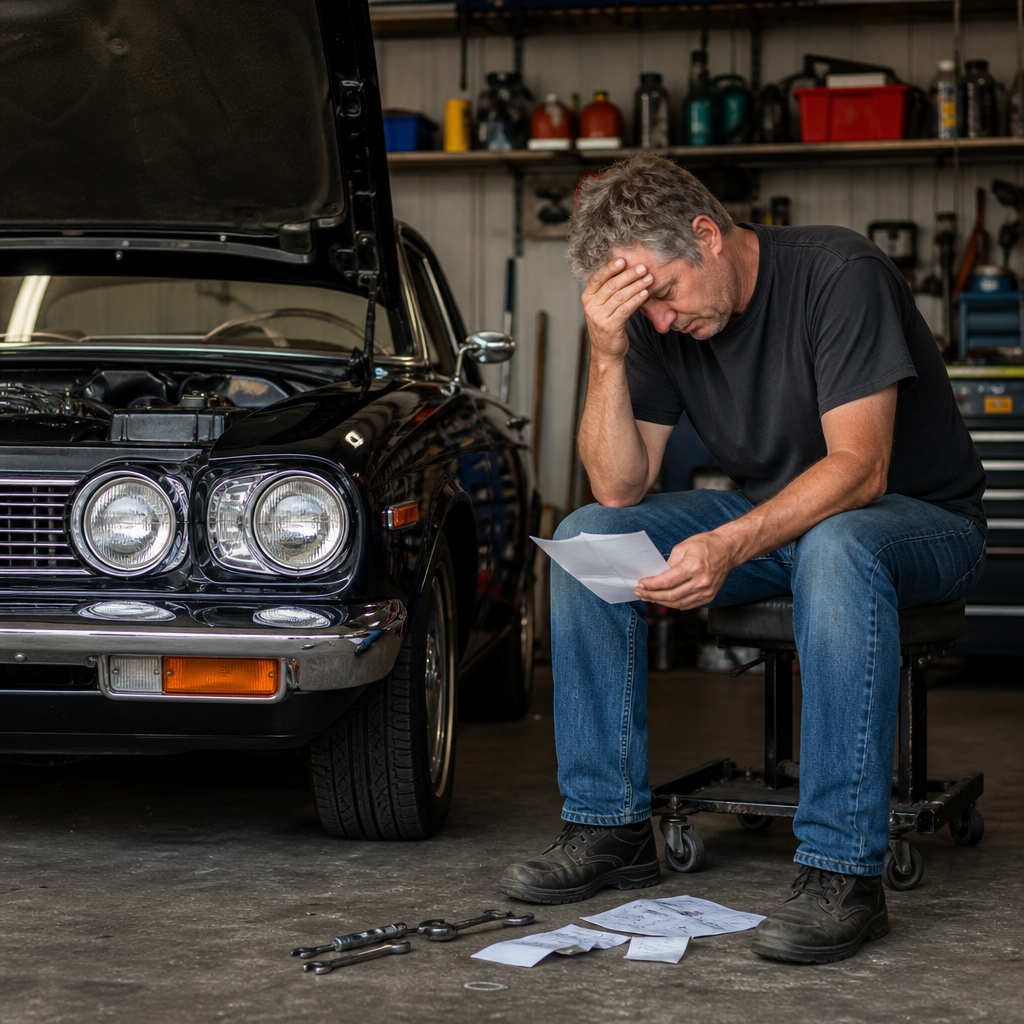
This matters because classic car ownership is not only a hobby expense; it is a long-term financial commitment. Buyers often ask, “How much does it cost to own a classic car each year?” The honest answer is that annual costs vary widely by model, condition, usage, and owner standards, but most people underestimate them. A usable driver may require a few thousand dollars a year, while a rare European car or a vehicle in active restoration can consume five figures annually. Understanding those hidden costs helps owners buy the right car, preserve value, avoid preventable breakdowns, and enjoy the experience without constant financial surprises.
For anyone building a broader classic car ownership plan, costs of ownership should sit at the center of every decision. The car you choose, where you store it, how often you drive it, whether you pursue originality, and which specialists you trust will all shape what you spend. This hub article explains the major cost categories, where budgets commonly fail, and how experienced owners control expenses without cutting corners that later become much more expensive.
Purchase Price Is Only the Entry Fee
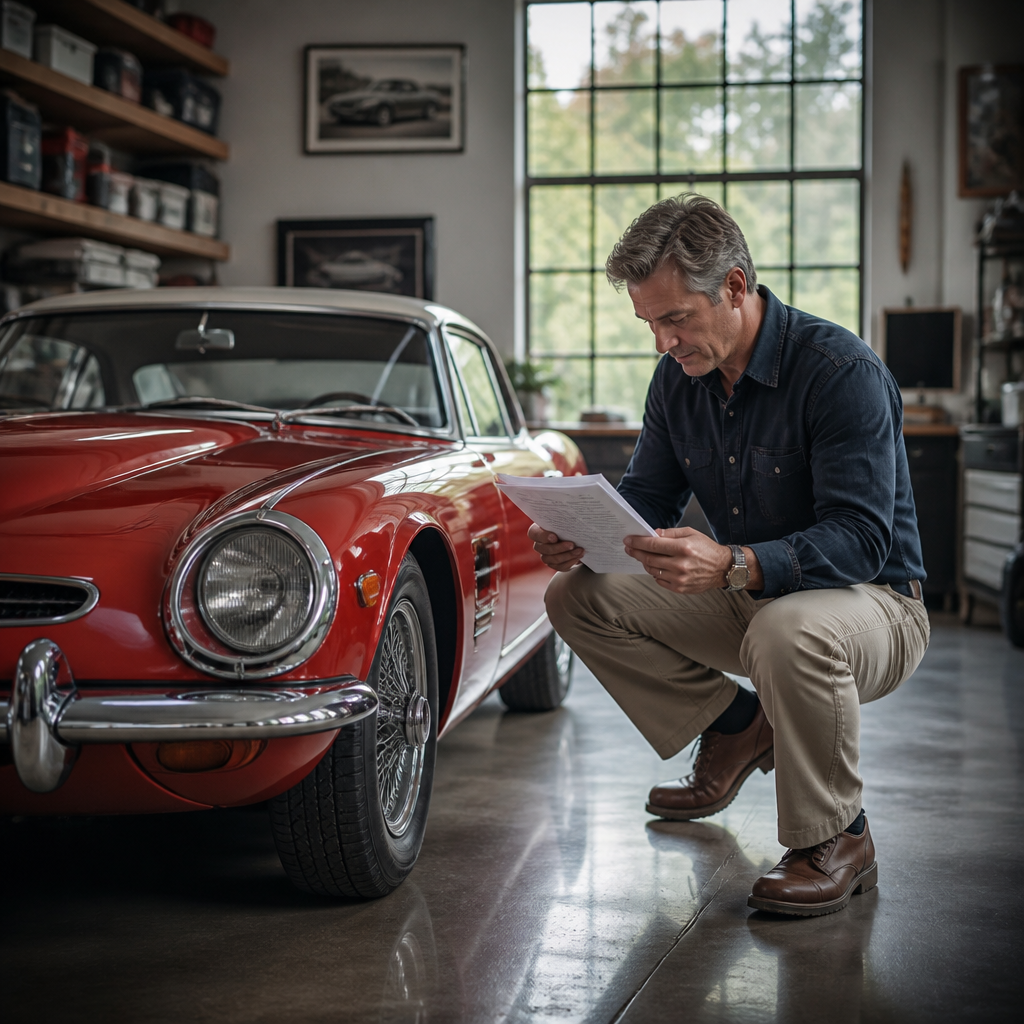
The first hidden cost appears before the car even reaches your garage. Many buyers focus on winning the deal and ignore transport, pre-purchase inspections, title correction, immediate safety repairs, and baseline servicing. In my experience, a proper pre-purchase inspection by a marque specialist is one of the best money-saving steps in classic car ownership. Spending several hundred dollars upfront can prevent a five-figure mistake involving corrosion, prior collision repairs, poor restoration work, or non-matching components that reduce value.
Transport costs also add up quickly. Enclosed shipping for a valuable classic often costs far more than open transport, but it protects fragile trim, older paint, and rare glass. Once the vehicle arrives, responsible owners usually perform a baseline service: fluids, belts, hoses, ignition components, tires, battery, brake inspection, and fuel system checks. On an older car that has been sitting, varnished fuel, dry seals, wheel cylinder leaks, and cracked rubber are routine findings. The purchase may feel complete at delivery, yet the true starting cost begins there.
Buyers also underestimate documentation costs. Sorting out liens, old registrations, bonded titles, state inspections, emissions exemptions, and import paperwork can consume both time and money. If the car crossed borders, customs documentation and compliance records matter. If provenance is important to value, owners may pay for heritage certificates, build records, or expert verification. These are not glamorous expenses, but they can affect resale value and legal usability.
Maintenance on Old Cars Is Different, Not Merely Older
Routine maintenance is a misleading phrase in the classic car world because older vehicles demand more frequent attention and more judgment. Carburetors drift out of tune, points ignition needs periodic service unless converted, drum brakes require adjustment, and cooling systems are less forgiving in traffic or hot climates. Even when mileage stays low, seals harden, brake fluid absorbs moisture, and tires age out before tread wears down. Time, not only miles, drives maintenance cost.
I have seen owners assume that low use equals low expense. In reality, infrequent driving often creates more work. Fuel degrades, batteries sulfate, brakes seize, and condensation affects engines and exhaust systems. A classic driven monthly but not fully warmed or maintained on a battery tender can become less reliable than one driven regularly on longer trips. Preventive maintenance is cheaper than corrective repairs, yet many owners postpone small jobs until they create larger failures.
Labor rates are another hidden factor. Not every repair shop can properly set SU carburetors, dial in Weber jetting, rebuild a generator, or troubleshoot a Lucas electrical system. Skilled classic technicians charge accordingly, and rightly so. Their work depends on experience rather than plug-in diagnostics. The labor may exceed the parts cost, particularly on tightly packaged European cars where access is difficult. That is why annual ownership cost depends heavily on whether a car is simple and well-supported or complex and specialist-dependent.
| Cost Category | Typical Annual Range | What Drives the Cost |
|---|---|---|
| Insurance | $400 to $2,500+ | Agreed value, mileage limits, storage, driver record, model rarity |
| Routine maintenance | $800 to $4,000+ | Fluid service, tune-ups, tires, brakes, battery, age-related wear |
| Repairs | $1,000 to $10,000+ | Electrical faults, cooling issues, leaks, carburetor work, suspension |
| Storage | $0 to $6,000+ | Home garage quality, climate control, urban rental rates, security |
| Restoration reserve | $2,000 to $20,000+ | Paint, rust repair, interior work, chrome, engine or gearbox rebuilds |
Parts Scarcity and Specialist Labor Change Every Budget
The cost of parts is not just about sticker price; it is about availability, quality, and the labor required to make parts fit correctly. For common American classics with strong aftermarket support, many mechanical components are obtainable quickly. For low-production European cars, orphan brands, or unusual trim levels, a simple switch, lens, or piece of brightwork can take months to source and cost several times more than expected. New old stock parts often carry collector premiums, while reproduction parts vary widely in fit and durability.
Owners regularly face a difficult choice between originality and practicality. An authentic date-coded component may support concours judging and resale, but a modern reproduction may be cheaper and more reliable. I have advised owners to think in layers: preserve rare original parts where value depends on authenticity, but use sensible upgrades when safety and drivability matter more than strict originality. Electronic ignition hidden inside a stock distributor, modern radial tires, and upgraded cooling fans are common examples.
Specialist labor multiplies those decisions. A chrome plater, wood trim restorer, Bosch mechanical fuel injection expert, or period-correct upholstery shop is not interchangeable with a general mechanic. The best shops usually have long waitlists. That means owners pay not only for craftsmanship but also for project management, shipping delicate components, and sometimes redoing poor prior work. Cheap labor often becomes the most expensive option when parts are damaged or originality is lost.
Storage, Insurance, and Security Are Ongoing Ownership Costs
Safe storage is one of the most underestimated classic car ownership costs. A dry, secure garage dramatically reduces deterioration, while outdoor storage accelerates paint damage, interior fading, rust, and theft risk. If you live in a humid or coastal region, climate control and dehumidification can be worth the money. I have seen cars with beautiful cosmetic restorations develop bubbling around seams because they were stored in damp conditions for just a few seasons.
Insurance works differently for classics than for ordinary vehicles. Many owners use agreed-value policies from companies such as Hagerty, Grundy, or American Collectors Insurance rather than standard actual cash value coverage. Agreed value is important because market value for collector cars does not align neatly with book depreciation. The tradeoff is that insurers may impose mileage limits, secure storage requirements, usage restrictions, or documentation standards. If you improve the car significantly and fail to update the insured value, you may become underinsured after spending heavily on restoration.
Security adds another layer. Battery disconnects, steering locks, GPS trackers, cameras, and upgraded garage doors can lower risk and support claims. These measures cost money but can be justified, especially for high-theft models like air-cooled 911s or desirable muscle cars. A theft or fire loss is not only financially painful; it may be impossible to reverse if the vehicle had unique provenance or irreplaceable original features.
Restoration Creep Is the Biggest Financial Trap
If there is one cost category that overwhelms owners most often, it is restoration creep. A project starts with a simple goal—fix the brakes, repaint one panel, retrim the seats—then expands when hidden rust, poor old repairs, or worn adjacent components appear. Once a car is disassembled, labor and parts estimates usually rise. This is especially true for bodywork because corrosion is often worse beneath trim, under seals, inside rocker panels, or around glass channels.
Experienced owners control restoration costs by defining the finish standard before work begins. A local driver-quality paint job, a high-end bare-metal respray, and a concours-level restoration are completely different financial commitments. The same is true for interiors, engine bays, plating finishes, and undercarriage detailing. Without a written scope, photographic documentation, parts approval process, and contingency reserve, projects drift. I generally tell owners to expect at least a 20 to 30 percent buffer beyond the initial estimate on any meaningful restoration.
There is also the issue of economic mismatch. Restoring an entry-level classic to a standard the market will not reward can leave owners deeply upside down. That does not mean restoration is wrong; many people restore cars for emotional reasons, family history, or personal satisfaction. It does mean the decision should be informed. Some cars are better preserved as honest drivers than transformed into expensive showpieces.
Taxes, Compliance, and Use Costs Still Apply
Classic cars may be weekend toys, but they still generate administrative and operating expenses. Registration fees vary by state and country, and while some jurisdictions offer historic plates at reduced rates, those registrations may limit how the vehicle is used. Safety inspections, emissions exemptions, and local compliance rules can change, especially in urban areas with tightening environmental standards. Imported classics may also require ongoing attention to documentation if ownership records are incomplete.
Fuel costs are easy to overlook because mileage is usually low, but many older engines prefer premium fuel and deliver poor efficiency. Some pre-emissions performance cars return mileage figures that would be unacceptable in a modern commuter vehicle. Oil consumption may also be normal by period standards. Add specialty lubricants, lead substitutes where owners choose to use them, coolant suitable for vintage materials, and transmission or differential fluids that meet older specifications, and running costs climb incrementally.
Driving a classic also creates wear-based costs people forget to budget. Stone chips, windshield damage, clutch wear in traffic, and heat-related cooling strain all increase when owners actually enjoy their cars, which they should. The point is not to avoid using the vehicle. The point is to understand that a drivable classic costs more than a parked one, even if active use is usually healthier mechanically.
How Smart Owners Reduce Hidden Costs Without Killing the Fun
The best way to reduce hidden costs of classic car ownership is to buy the best example you can truly afford, not the cheapest one you can acquire. Service records, rust-free structure, strong parts support, and specialist community knowledge matter more than shiny paint. Join owners’ clubs, study model-specific forums, build relationships with reputable shops, and create an annual budget that includes a repair reserve. I have found that owners who set aside funds monthly handle surprises calmly and make better decisions under pressure.
Use the car enough to keep it healthy, but maintain it methodically. Keep fluids fresh, document work, inspect for leaks and corrosion, and address small issues early. If you want lower long-term costs, choose a model with broad aftermarket support and straightforward mechanicals. If you want rarity or prestige, accept that scarcity usually brings higher parts costs, longer downtimes, and greater dependence on specialists.
Classic car ownership can be deeply rewarding, but the hidden costs are real and persistent. Purchase price is only the gateway. Maintenance, storage, insurance, parts sourcing, restoration scope, taxes, and usage all shape the true cost of ownership. Owners who understand these factors upfront buy more wisely, preserve value more effectively, and enjoy their cars with fewer financial shocks. If you are building your classic car ownership plan, start by mapping your total annual budget, then compare that number against the type of car and ownership experience you actually want.
Frequently Asked Questions
What are the most overlooked hidden costs of classic car ownership?
The biggest surprise for many buyers is that the purchase price is often only the beginning. The most commonly overlooked costs include specialized insurance, routine maintenance, unexpected mechanical repairs, proper storage, transportation, registration fees, taxes, and the premium charged for rare parts and experienced labor. Unlike a newer vehicle, a classic car may need constant small fixes even when it appears to be in excellent condition. Rubber seals dry out, carburetors need tuning, electrical systems can become temperamental, and fluids, hoses, belts, and brake components age whether the car is driven often or not.
Another hidden expense is the cost of keeping the car correct, safe, and usable at the same time. Owners often face decisions about whether to preserve originality or install upgrades for reliability, such as electronic ignition, improved cooling, or safer tires. Even “minor” jobs can become expensive because older cars frequently require hand-fitting parts, diagnosing hard-to-find issues, or sourcing components that are no longer in regular production. On paper, a classic car may seem affordable compared with modern exotic or collector vehicles, but in practice, long-term ownership costs can add up quickly and consistently.
Why is maintenance on a classic car usually more expensive than on a modern vehicle?
Classic car maintenance tends to cost more because these vehicles require a different level of care, expertise, and patience. Many older cars were built with technology that demands more frequent adjustment and inspection than modern vehicles. Points ignitions, carbureted fuel systems, manual choke setups, drum brakes, older cooling systems, and aging wiring all need periodic attention. Even if the car is driven sparingly, time alone can cause deterioration in gaskets, seals, fuel lines, suspension bushings, and vacuum hoses. In other words, low mileage does not automatically mean low maintenance.
Labor is another major factor. Many general repair shops are not equipped or willing to work on classic cars, especially on models with unusual engineering or limited parts availability. Owners often have to seek out marque specialists or restoration shops, and those professionals typically charge higher hourly rates because their skills are more specialized. In addition, repairs can take longer because older vehicles may have non-standard modifications from previous owners, incomplete service history, or hidden wear that only becomes visible after disassembly. A seemingly simple repair can quickly expand into a much larger project, which is one reason maintenance budgets for classic cars should always include a healthy contingency.
How much should I budget for insurance, storage, and protection for a classic car?
Insurance, storage, and protection are essential ownership costs, not optional extras. Classic car insurance is often different from standard auto insurance because it may be based on agreed value coverage rather than depreciated market value. That can be a major advantage, but premiums still depend on the car’s value, where it is stored, how often it is driven, and the owner’s driving record. Some policies also come with mileage limits, storage requirements, and restrictions on regular use. Buyers should read the terms carefully, because the lowest premium is not always the best protection if the coverage does not match how the car will actually be used.
Storage costs can be substantial, especially if the car needs a secure, climate-controlled garage to prevent rust, fading, mold, and deterioration of leather, wood, or weather seals. If an owner does not have proper home storage, renting indoor space can become a recurring monthly expense. Beyond that, there are protective costs such as battery tenders, tire cradles, breathable covers, dehumidifiers, security systems, and periodic detailing. These items may seem small compared with major repair bills, but over time they form a meaningful part of the annual cost of ownership. Proper storage and protection are often what separate a car that holds its condition and value from one that slowly becomes more expensive to restore.
Do parts and restoration costs vary significantly by make and model?
Yes, and the difference can be dramatic. Parts and restoration costs depend heavily on the car’s rarity, brand, production numbers, aftermarket support, and originality requirements. A classic Ford Mustang or Chevrolet Bel Air may benefit from relatively strong parts availability, which can make some repairs more manageable. By contrast, a vintage Porsche 911 or Jaguar E-Type may require model-specific components, specialized trim pieces, hard-to-find hardware, or expert craftsmanship that raises the cost significantly. Even among popular classics, the exact year, engine, body style, and factory options can affect how expensive a restoration becomes.
It is also important to understand that restoration rarely means just replacing what is visibly damaged. Once work begins, owners often discover rust in hidden areas, previous accident repairs, poor-quality old restorations, worn driveline components, or missing original details that are expensive to correct. Paint and bodywork alone can become one of the largest expenses, especially if the goal is high-quality fit and finish rather than a quick cosmetic improvement. Interior restoration, chrome replating, wood trim repair, instrument rebuilding, and sourcing date-correct parts can all push costs far beyond initial expectations. This is why experienced buyers research model-specific ownership communities, parts suppliers, and restoration histories before purchasing a car.
Can a classic car still be a good purchase if the ongoing ownership costs are so high?
Absolutely, but only if the buyer approaches ownership with realistic expectations. A classic car can be deeply rewarding in ways a modern vehicle often cannot match. The design, driving character, mechanical simplicity, sound, and historical appeal create an experience that many enthusiasts consider worth the expense. However, it should be viewed less like a cheap alternative to a newer car and more like a hobby asset that requires ongoing financial commitment. Buyers who expect modern reliability at a bargain price are often disappointed, while owners who budget carefully and understand the maintenance cycle tend to enjoy the experience far more.
The smartest approach is to calculate total ownership cost rather than focusing only on the sale price. That means factoring in pre-purchase inspections, immediate catch-up maintenance, insurance, storage, registration, taxes, tools, specialist labor, and a reserve fund for surprises. In many cases, buying the best-maintained example you can afford is far cheaper than purchasing a lower-priced project car that needs extensive sorting. A well-bought classic can deliver years of enjoyment and may hold value better than many ordinary cars, but financially successful ownership usually comes from preparation, patience, and disciplined budgeting rather than optimism alone.