How to Store a Classic Convertible Properly starts with accepting a simple truth: storage is active preservation, not parking. A classic convertible combines painted steel, plated trim, wood, leather, rubber, fabric, hydraulics, and delicate electrical contacts in one machine, and every material ages differently. I have prepared cars for six-month winter layups and multi-year collections, and the difference between a careful plan and casual storage shows up fast in mildew, flat-spotted tires, stuck top cylinders, stale fuel, and corrosion hidden in seams. Good storage protects value, drivability, originality, and the owner’s future workload.
For classic car ownership, storage and preservation sit at the center of everything else. Mechanical reliability, cosmetic condition, and resale depend on what happens when the car is not being driven. A convertible needs more attention than a fixed-roof coupe because the soft top, weatherstrips, drains, and interior are more exposed to humidity and pests. Proper storage means controlling environment, cleaning before contamination hardens, stabilizing fluids, protecting battery and tires, and checking the car on a schedule. The goal is not to create a museum object. The goal is to keep every system ready for safe recommissioning with minimal deterioration.
Three storage timelines matter. Short-term storage usually means up to thirty days and focuses on clean parking, battery support, and moisture control. Seasonal storage covers roughly one to six months, often over winter, and adds fuel stabilization, tire management, and a more complete inspection. Long-term storage, anything beyond six months, requires deeper steps such as overinflating or unloading tires, documenting fluid condition, sealing entry points against rodents, and deciding whether periodic exercise is actually beneficial. Many owners make mistakes by mixing these strategies. Starting and idling a stored car for ten minutes every few weeks, for example, often adds condensation without fully heating oil, gearbox, and exhaust.
This hub article covers the full storage and preservation process for a classic convertible: choosing the space, preparing the body and top, protecting cabin materials, managing fuel and battery systems, and planning periodic checks. It also explains tradeoffs, because there is no single perfect method for every climate, budget, or originality standard. A dry Arizona garage, a humid coastal barn, and a climate-controlled condominium require different tactics. If you understand the risks each system faces and respond methodically, your classic convertible will emerge from storage cleaner, safer, and much easier to enjoy.
Choose the right storage environment first
The building matters more than any product you can buy. Ideal storage for a classic convertible is a clean, enclosed, well-ventilated structure with stable temperature and controlled humidity. In practice, I aim for relative humidity around 45 to 55 percent. That range is dry enough to slow mold and corrosion but not so dry that leather and wood lose moisture aggressively. Temperature stability is more important than constant warmth. Repeated swings above and below the dew point drive condensation onto metal surfaces, especially inside exhausts, fuel tanks, and body cavities.
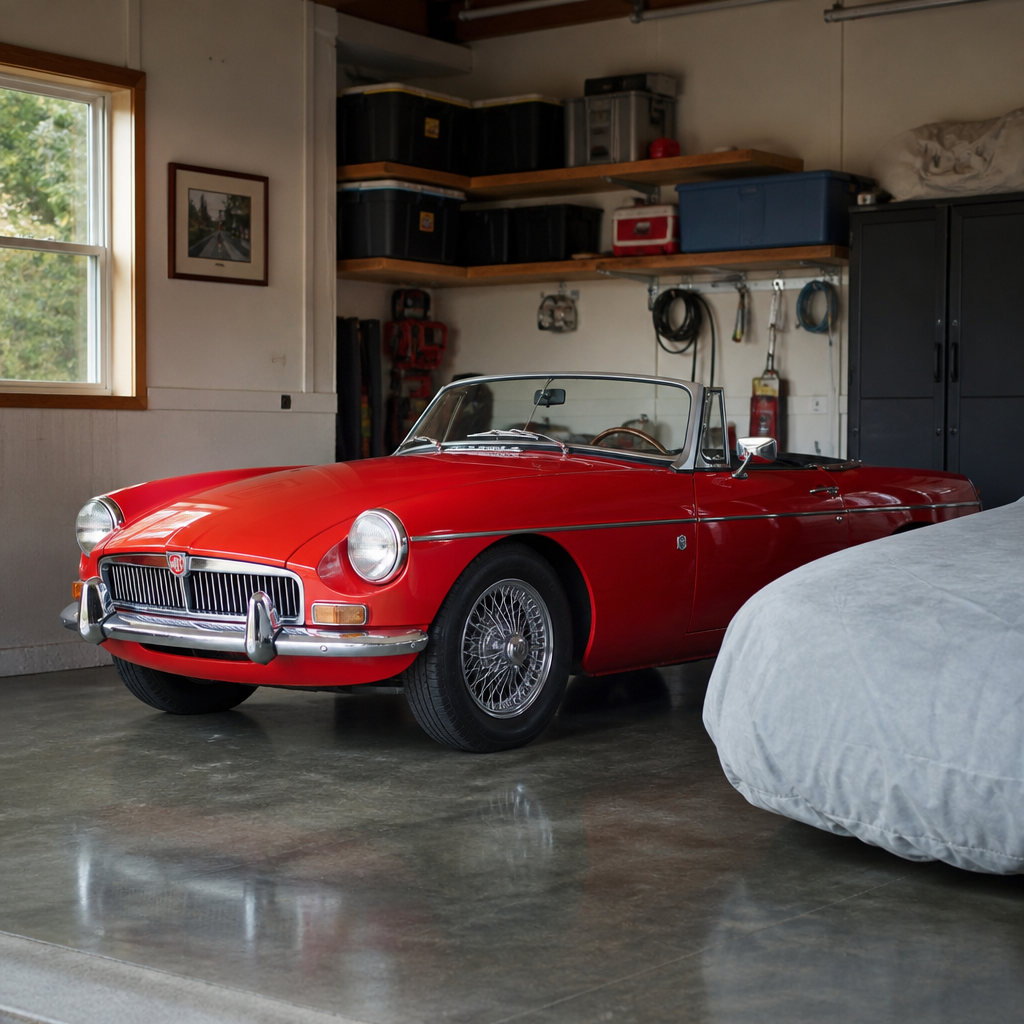
A climate-controlled garage is best, but a standard private garage can work very well if it is dry, insulated, and separated from lawn chemicals, pool supplies, fertilizers, and pet food. Those products attract moisture, create corrosive vapors, or invite rodents. Barn storage is the hardest environment because dust, wind-driven moisture, and pests reach every opening. If a barn is the only option, create a sealed micro-environment around the car with a vapor-permeable indoor cover, desiccant support, and aggressive rodent exclusion. Avoid cheap blue tarps and fully airtight plastic wraps. They trap moisture and abrade paint.
Floor condition matters too. Bare earth is unacceptable because it releases moisture continuously. Fresh concrete can do the same until fully cured. A coated slab or interlocking tile floor is better. If you must store on concrete, placing a moisture barrier under the car can reduce rising damp. Lighting also deserves attention. Sunlight through windows fades upholstery and top fabric, and ultraviolet exposure hardens rubber. Cover windows or park away from direct light. Security is part of preservation as well. Use a visible alarm, wheel lock, and discreet battery cutoff where appropriate, then document the car’s condition with dated photos before storage begins.
Clean, inspect, and document before the car goes away
Never store a dirty convertible. Road film contains salts, acidic residues, and organic debris that hold moisture against paint and chrome. Wash the body thoroughly, including wheel wells, under bumpers, rocker seams, and the lower edges of fenders where mud collects. Dry the car completely with microfiber towels and compressed air around trim, mirrors, badges, and top seams. Any trapped water becomes a corrosion source in storage. After washing, apply a quality wax or paint sealant. On lacquer or single-stage finishes, choose products compatible with older paint systems and avoid overly abrasive cleaners.
The convertible top needs its own process. Fabric tops should be vacuumed, cleaned with a cleaner matched to material type, and allowed to dry fully before the car is covered. Vinyl tops require different chemistry; harsh household cleaners strip plasticizers and accelerate cracking. Inspect seams, rear window edges, tack strips, weatherstrips, and drain channels. On cars with power tops, cycle the mechanism once before storage and listen for weak pump operation or binding frame joints. I lubricate pivot points sparingly with the manufacturer-appropriate product and avoid getting lubricants on fabric or headliner material.
Inside the cabin, remove trash, papers, food, and anything that attracts pests or holds moisture. Clean carpets and mats, then let them dry completely. Leather should be cleaned and conditioned with a pH-appropriate product; vinyl needs a protectant without excessive gloss or silicone buildup. Wood veneer and painted dash surfaces should be dusted gently. Trunk compartments deserve equal attention because trapped moisture around spare tires and jacks often causes hidden rust. Finally, document fluid levels, battery voltage, tire pressures, and any existing cosmetic flaws. Those notes make spring recommissioning faster and help you spot leaks or deterioration immediately.
Protect fuel, battery, tires, and fluids correctly
Mechanical storage prep is where many convertibles are either preserved or quietly damaged. Fuel is first. Modern pump gasoline oxidizes and loses volatility quickly, and ethanol blends absorb moisture. For seasonal storage, fill the tank nearly full to reduce air space, add a stabilizer from a recognized brand such as Sta-Bil or Star Tron according to label dosage, and drive the car long enough to circulate treated fuel through carburetor or injection components. A full tank reduces internal rust in steel tanks. For very long storage, especially with questionable fuel systems, some specialists prefer draining; that decision depends on tank material, system design, and local fuel quality.
Change engine oil and filter before storage if the current oil has meaningful mileage or contamination. Used oil contains acids and combustion byproducts that should not sit against bearings and journals for months. Check coolant concentration with a tester and confirm adequate corrosion inhibitors; weak coolant can damage aluminum and iron passages. Brake fluid is hygroscopic, so if it is old, a flush is better than postponing. Convertibles often sit enough that brake moisture becomes a bigger problem than mileage. Top up clutch and hydraulic-top reservoirs only with the specified fluid. Mixing fluid types can destroy seals.
Batteries should not simply be disconnected and forgotten. Lead-acid batteries self-discharge, sulfation begins when voltage remains low, and acid fumes corrode trays and nearby metal. Use a quality smart maintainer from brands such as CTEK, NOCO, or Battery Tender, connected according to the car’s grounding configuration. If the battery lives in the trunk or under a seat, verify ventilation and cable routing. Tires should be cleaned, inspected for age cracking, and inflated to the upper end of the recommended range for storage. On bias-ply tires, flat spotting is common. For long-term storage, I prefer tire cradles or, if the suspension and chassis points allow safely, support the car under suspension pickup points so the springs remain loaded but tires are lightly unloaded.
| Storage task | Why it matters | Best practice |
|---|---|---|
| Fuel stabilization | Prevents oxidation, varnish, and moisture issues | Fill tank, add stabilizer, drive 10 to 15 miles |
| Battery maintenance | Avoids sulfation and weak spring starts | Use a smart maintainer, check voltage monthly |
| Tire protection | Reduces flat spots and sidewall stress | Inflate properly, use cradles, move only if safe |
| Fluid review | Limits corrosion and internal wear | Change old oil, verify coolant and brake fluid condition |
Preserve the soft top, seals, cabin, and brightwork
A classic convertible’s most vulnerable assets are usually above the beltline. Store the top in the position recommended by the manufacturer, which is usually raised and latched for long periods. Leaving a top folded can create permanent creases, shrinkage, and rear-window distortion, especially on older vinyl and plastic windows. If the car has a removable hardtop, the storage choice depends on climate and fit. A well-fitted hardtop can improve sealing, but only if top seals, locating pins, and latches are in good condition. Never compress old seals harder than necessary.
Weatherstrips need light treatment, not saturation. A rubber care product such as Gummi Pflege or a comparable conditioner can keep door, vent-window, and top seals from sticking and tearing. Drain holes at the cowl, rocker cavities, top well, and trunk must be clear before storage because a convertible can suffer major rust from one blocked drain and a minor leak. I run a flexible trimmer line through drains and then test with a small amount of water. Chrome and polished stainless trim should be cleaned and protected with a non-abrasive product. Bare aluminum pieces benefit from a corrosion-inhibiting metal protectant.
The cabin should breathe without inviting dust. If the building is secure and dry, leaving windows cracked slightly can help moisture equalize, but this is not wise in dusty or rodent-prone spaces. Instead, use desiccant packs or a rechargeable dehumidifier inside the cabin and trunk, then monitor them. Avoid mothballs; they leave persistent odor and are not a clean preservation method. Rodent defense should be mechanical first: seal openings in the building, use traps around the perimeter, and inspect the car for access points near heater boxes, cowl vents, and exhaust outlets. Peppermint sachets are inconsistent. Stainless mesh barriers and disciplined inspection work better.
Cover, monitor, and recommission without causing damage
After prep is complete, fit a high-quality indoor cover if the car is stored inside. The best covers are soft, breathable, and tailored enough not to flap. A cover should never compensate for a damp building or a dirty car. In fact, covering a car that still holds moisture in seams or carpets accelerates mold and corrosion. For outdoor storage, which is a last resort for any classic convertible, use a weatherproof but breathable cover with secure tie-downs, then expect more frequent inspections and faster wear. Outdoor storage increases risk to paint, top fabric, chrome, and electrical systems, even with a premium cover.
Monitoring should follow a schedule, not guesswork. I recommend a monthly check that includes humidity reading, battery maintainer status, evidence of pests, fluid spots under the car, tire pressure, and desiccant condition. Do not repeatedly open and close the top, and do not start the engine unless you can drive the car long enough to bring engine oil, transmission, differential, and exhaust fully to operating temperature. Short idle sessions are harmful because they create water vapor and fuel dilution. If the car must remain stored for a year or more, add periodic hand-rotation of the engine only when appropriate for the engine design and after confirming lubrication strategy.
When storage ends, recommission methodically. Remove the cover, inspect for nests or chewed wiring, and check fluid levels before touching the key. Confirm tire pressures, brake pedal feel, and clutch or top hydraulic operation. Look underneath for leaks at hoses, wheel cylinders, rear main seal areas, and fuel connections. Start the engine and watch oil pressure, charging output, and coolant behavior. The first drive should be long enough to warm every system and gentle enough to reveal problems safely. Proper storage pays off here: the car smells fresh, starts cleanly, shows no mold or varnish symptoms, and returns to the road with less corrective work. Build your own storage checklist, review it each season, and treat preservation as part of driving enjoyment, not a chore.
Frequently Asked Questions
What is the most important first step when storing a classic convertible?
The most important first step is to treat storage as a preservation process, not simply a matter of parking the car and walking away. Before the car goes under a cover or into a garage, it should be thoroughly cleaned, fully dried, and carefully inspected. Dirt, bug residue, bird droppings, brake dust, and moisture all continue to damage finishes while the car sits, especially over months. Wash the paint, clean the wheel wells and underbody if conditions allow, dry the vehicle completely, and vacuum the interior so food crumbs and organic debris do not attract pests or encourage mold. Leather, vinyl, wood trim, rubber seals, chrome, and fabric top material all benefit from being cleaned and conditioned with products appropriate to each surface.
At the same time, use this preparation stage to identify existing vulnerabilities. Check for fluid leaks, cracked weatherstripping, weak battery condition, signs of rodent entry points, and any moisture in the cabin or trunk. A small coolant seep, damp carpeting, or worn top seal may not seem urgent during regular use, but during storage those small problems often become expensive ones. A convertible has more exposure points than a fixed-roof car, so preserving the weather seals, top frame, and interior materials is especially important. In short, the first step is not one task but a sequence: clean, dry, inspect, correct issues, then store. That order prevents you from sealing damage into the car for the duration of the layup.
Should a classic convertible be stored with the top up or down?
In most cases, a classic convertible should be stored with the top up, latched correctly, and properly tensioned. Keeping the top raised helps the fabric or vinyl maintain its intended shape, reduces creasing, and supports the weather seals around the side glass and windshield header. Long-term storage with the top folded down can create permanent wrinkles, stress lines, flattened padding, cloudy rear windows, and even frame distortion depending on the age and design of the roof system. This is especially true for older tops made from materials that stiffen with age or for convertibles with plastic rear windows that can crack when left folded.
There are a few additional precautions that matter. Never store the car with the top put away while still damp, even slightly. Trapped moisture is one of the fastest routes to mildew, odor, staining, and deterioration of stitching. If the top has been exposed to rain or has just been cleaned, let it dry fully before raising and securing it. Once up, make sure the seals are clean and not pinched, and consider lightly conditioning rubber seals if the product is suitable for the material. If the convertible top mechanism is hydraulic or electric, ensure it is functioning properly before storage so the system is not left half-loaded or under uneven tension. For preservation, shape and dryness matter more than convenience, and that is why top-up storage is usually the right choice.
How do I protect the battery, tires, and fluids during long-term storage?
These three areas determine whether the car wakes up easily or comes out of storage with immediate problems. Start with the battery. A classic convertible often has older-style electrical systems and delicate connections that do not appreciate deep discharge. The best practice is to connect the battery to a quality smart maintainer, not a basic trickle charger. A maintainer monitors charge level and helps prevent sulfation without overcharging. Clean the terminals first, confirm electrolyte levels if the battery is serviceable, and make sure the charging setup is safe and appropriate for the battery type. If power is not available in the storage space, you may choose to disconnect the battery, but understand that a disconnected battery still ages, and a maintainer is generally better if conditions allow.
For tires, inflate them to the upper end of the recommended pressure range listed by the manufacturer or tire maker, but do not exceed safe limits. This helps reduce flat spotting during storage. If the storage period will be very long, moving the car slightly from time to time or supporting it properly can help, but avoid leaving the suspension hanging incorrectly or placing stands in unsafe locations. The goal is to minimize tire deformation without introducing stress elsewhere. As for fluids, fresh is usually better than old. Engine oil should ideally be changed before storage because used oil contains contaminants and combustion byproducts that can sit against internal surfaces. Coolant should be checked for correct strength and condition, brake fluid should be inspected because moisture contamination is common, and fuel deserves special attention. A full tank with the correct fuel stabilizer is generally the safest approach because it reduces internal tank condensation and helps preserve the fuel system. After adding stabilizer, run the engine long enough for treated fuel to circulate through the lines and carburetor or injectors. Proper battery maintenance, tire support, and fluid preparation form the mechanical foundation of successful storage.
What kind of storage environment is best for a classic convertible?
The best storage environment is clean, dry, stable in temperature, and well protected from moisture swings. A classic convertible is especially sensitive because it combines exterior finishes with a fabric or vinyl roof, soft interior materials, plated trim, and many seal interfaces. A climate-controlled garage is ideal, but even if full climate control is not available, consistency matters. Repeated swings between cold nights and warm days can create condensation on metal surfaces and inside enclosed cavities. Dampness encourages corrosion, mildew, and stale odors, while excessive heat can dry out leather, shrink wood trim, and harden rubber. Good ventilation helps, but not at the expense of exposing the car to humid outside air constantly.
The floor and surroundings matter too. A dry concrete floor is far better than dirt, gravel, or a space with known groundwater or roof leaks. Keep the storage area clean to discourage rodents and insects, and avoid storing pet food, grass seed, cardboard clutter, or household textiles nearby that create nesting opportunities. Use a breathable, high-quality car cover only after the vehicle is completely clean and dry. A non-breathable tarp is a mistake because it traps moisture against the car and can damage paint and trim. Inside the car, moisture control can be improved with desiccant packs or other suitable humidity-management products if needed. The overall goal is simple: reduce moisture, reduce temperature extremes, reduce contamination, and reduce opportunities for pests. When the environment is stable, every material on the car ages more slowly and more predictably.
Should I start the car occasionally during storage, or leave it alone until spring?
In most cases, it is better to leave the car alone than to start it occasionally without driving it long enough to reach full operating temperature. Brief idle sessions often do more harm than good. They can introduce moisture into the exhaust and crankcase, create condensation, dilute oil with fuel, and leave the battery only partially replenished. A few minutes of running in the garage may sound helpful, but unless the engine, transmission, and exhaust system all get thoroughly warm and stay there long enough to evaporate moisture, you are not really preserving the car. You are simply cycling it through an incomplete heat cycle.
If you can take the car out for a proper drive under safe conditions, that is different. A genuine drive that fully warms the drivetrain, exercises the brakes, moves the suspension, and circulates fluids thoroughly can be beneficial. But for true storage, especially over winter or extended layup periods, a well-prepared car is usually best left undisturbed except for periodic visual checks. During those checks, look for fluid spots, pest activity, moisture accumulation, changes in tire pressure, and issues with the cover or storage area. If the vehicle is being stored for a very long period, some owners also rotate the engine by hand at appropriate intervals, but that should be done knowledgeably and only when it suits the engine design and storage plan. The key principle is this: random starting is not maintenance. Proper preparation before storage and careful inspection during storage are far more valuable than occasional idling.