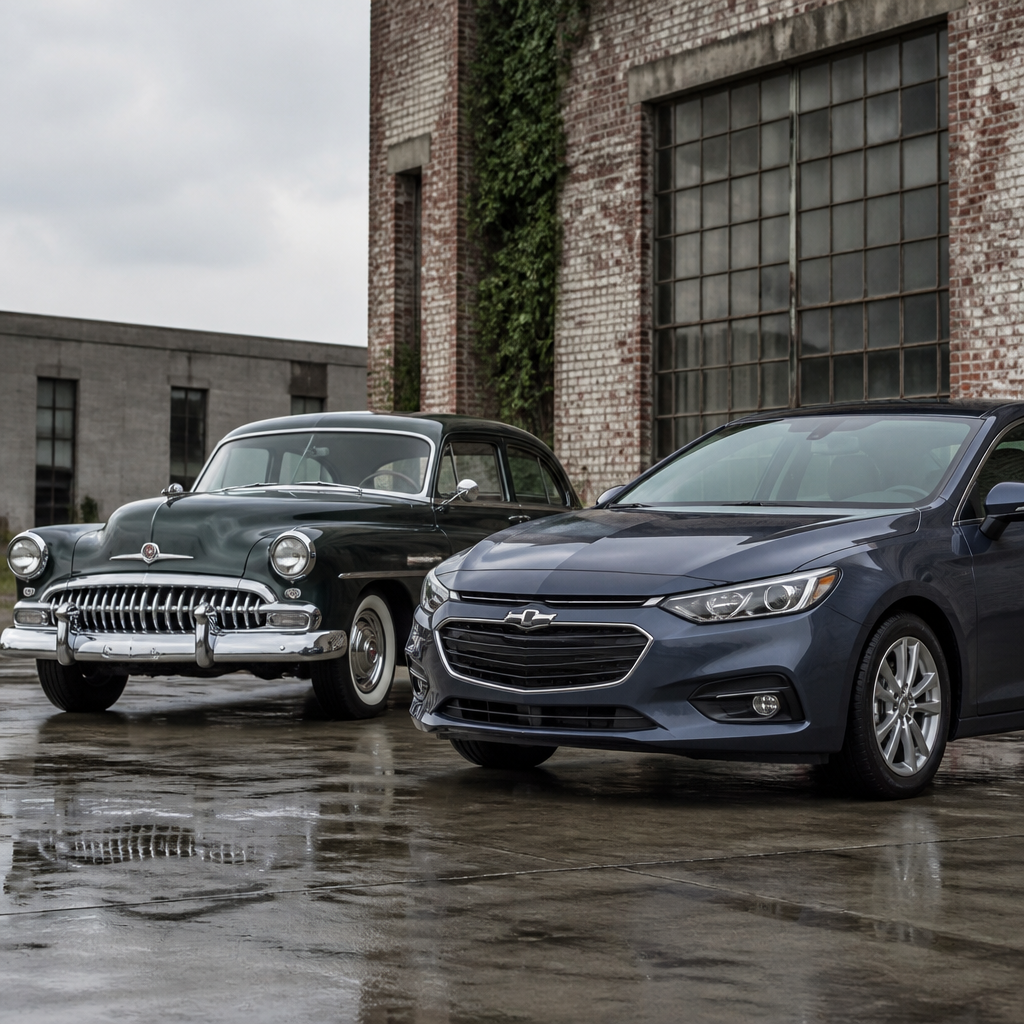

A car is street legal when it meets the registration, equipment, safety, emissions, insurance, and documentation rules that allow it to be driven on public roads in a specific jurisdiction. For classic car owners, that definition sounds simple, but in practice it is one of the most misunderstood parts of ownership. I have helped owners title barn finds, register imported coupes, correct VIN issues, and pass inspection after years off the road, and the same pattern appears every time: people focus on the vehicle itself and underestimate the paperwork, state rules, and small compliance details that determine whether the car can legally leave the driveway.
Street legal does not mean merely operable. A running car may still be illegal to drive if it lacks a valid title, current registration, liability insurance, required lights, working brakes, or emissions compliance where mandated. The reverse is also true in some situations: a car can be beautifully restored yet limited by antique registration rules that restrict daily commuting, commercial use, or nighttime operation in certain states. That is why classic car ownership depends on understanding not just mechanical restoration, but registration and legal requirements from the start.
Several terms matter here. Title proves legal ownership. Registration grants permission to operate the vehicle on public roads. License plates identify the registered vehicle. Inspection verifies roadworthiness or emissions compliance where required. Insurance satisfies financial responsibility laws. VIN, or vehicle identification number, links the car, title, and registration records. If any one of those pieces is missing or inconsistent, a car can become unusable until the record is corrected. For older vehicles, common issues include missing titles, swapped engines, unreadable VIN tags, expired out-of-state paperwork, and modifications that affect safety or emissions status.
This topic matters because legal mistakes are expensive and slow to fix. A rejected title application can delay use for weeks. A bonded title process can take months. Noncompliant lighting, glass, or exhaust equipment can cause a failed inspection. Driving without proper registration or insurance can result in fines, impoundment, and liability exposure after a crash. For buyers, legal status also affects value. A numbers-matching classic with a clean title, valid VIN, and transferable registration is easier to insure, sell, and finance than an identical car with unresolved documentation problems.
Core documents every street-legal car needs
In most states, a street-legal car needs a valid title or other ownership document, current registration, license plates, and proof of insurance. If the state requires periodic safety or emissions inspection, the car must also pass those checks before registration can be issued or renewed. Owners should treat these as a linked chain rather than separate tasks. If the seller’s name does not match the title, or the VIN on the dash does not match the paperwork, the chain breaks immediately.
For classic cars, the ownership document can vary. Some states title older vehicles normally, while others exempt very old vehicles from title requirements and rely on registration records or bills of sale. That difference matters when you buy across state lines. I have seen owners assume a bill of sale from a no-title state would transfer cleanly, only to learn their home state still wanted a prior registration, VIN inspection, and additional ownership evidence. Before purchase, check your state motor vehicle agency rules, not just the seller’s description.
Insurance is equally important. Minimum liability coverage is legally required in nearly every state, but agreed value coverage is often the smarter choice for classics because it establishes a payout value in advance. That does not replace legal compliance; it complements it. Insurers may also ask about garaging, mileage, modifications, and use restrictions. If the policy describes hobby use and the car is being used for daily delivery work, a claim can become complicated very quickly.
Safety equipment and roadworthiness standards
A street-legal car must have the safety equipment required by the jurisdiction where it is registered and driven. The baseline usually includes working headlights, taillights, brake lights, turn signals where required, mirrors, windshield wipers, horn, tires with legal tread depth, effective brakes, and safe steering and suspension components. Windshield glass may need to be automotive safety glass, and some states regulate tint levels, bumper height, mud flaps, and exhaust noise. Inspectors do not care how rare the car is if a brake hose is leaking or a headlamp beam is misaligned.
Standards vary by age and original equipment. A 1965 coupe is not usually expected to meet the same federal equipment standard as a 2024 sedan, but it still must comply with the rules applied to older vehicles in its state. Seat belt requirements are a good example. Many states require belts only if the car was originally equipped with them, while others impose broader safety expectations. The practical lesson is simple: keep factory-correct safety equipment in place unless you know a modification is legal and documented.
Modifications deserve special attention. Lowered suspensions, aftermarket steering wheels, LED headlight conversions, engine swaps, and deleted catalytic converters can all affect legality. Some changes improve safety when done properly, such as front disc brake conversions or modern radial tires, but poor installation or uncertified parts can still trigger failure. If you are building a restomod, save receipts, part numbers, and installation details. That record helps with inspections, insurance underwriting, and later resale questions.
Emissions rules, exemptions, and inspection requirements
Emissions compliance is one of the biggest variables in determining whether a car is street legal. Federal law prohibits tampering with required emissions equipment on vehicles originally equipped with it, and many states layer additional testing requirements on top. Depending on the state, testing may include an onboard diagnostics scan, tailpipe test, visual inspection of emissions components, or a simple verification that the vehicle qualifies for an exemption.
Classic car owners often assume age alone creates a blanket exemption. Sometimes it does not. One state may exempt vehicles over twenty-five years old from emissions testing, while another may still test cars registered in certain counties or only exempt antiques under restricted-use plates. California, for example, is known for stricter emissions rules than many states, while other jurisdictions focus mainly on urban pollution areas. The point is not that one system is better, but that compliance is highly local.
Where emissions parts matter, originality and documentation matter too. If a 1980s fuel-injected car should have an evaporative emissions system, catalytic converter, and oxygen sensor, missing components can block registration renewal or inspection approval. Engine swaps create even more complexity. Some states require the swapped engine to be the same year or newer than the chassis and to retain all associated emissions controls. Builders who ignore that rule often end up with powerful cars that cannot be legally registered for road use.
| Requirement Area | What Officials Usually Check | Common Classic Car Problem | Best Preventive Step |
|---|---|---|---|
| Ownership | Title, VIN match, seller assignment | Missing or incorrect title signatures | Verify paperwork before purchase |
| Registration | Application, fees, taxes, plate status | Lapsed records after long storage | Confirm reinstatement process early |
| Insurance | Liability proof, policy status | Using hobby coverage for daily driving | Match policy use to actual use |
| Safety | Lights, brakes, tires, glass, horn | Incomplete restoration details | Do a pre-inspection checklist |
| Emissions | Testing, visual equipment check | Removed catalytic converter or failed swap | Research local emissions rules first |
Titles, VIN verification, and ownership disputes
If there is one issue that stops more classic car projects than rust, it is bad paperwork. A car cannot be street legal if ownership is unclear. Title brands such as salvage, rebuilt, flood, or junk can affect the path to registration and insurability. A salvage vehicle may return to the road after repairs and inspection in some states, while a vehicle branded junk or certificate of destruction may be permanently barred from road use. Owners need to read the exact title brand and state definitions, because they are not interchangeable.
VIN verification is essential, especially on older cars. Depending on the era, the VIN may appear on the dashboard, door jamb, firewall, frame, or engine compartment plate. Inspectors compare those identifiers to the title and registration application. Problems arise when tags are missing, damaged, painted over, or inconsistent. On heavily restored cars, I always recommend photographing every identification number before disassembly. Once the body is apart and parts are refinished, proving what the car originally was becomes harder.
When a title is missing, options may include applying for a duplicate title, using a bonded title process, obtaining a court order, or submitting historical registration records and a bill of sale. Services that promise easy titles should be approached carefully because states have tightened scrutiny after years of abuse. The safest route is direct compliance with your state agency’s published process. It is slower, but it produces cleaner records and fewer surprises when you later sell the vehicle.
State registration classes for classic, antique, and custom cars
Not every street-legal vehicle is registered the same way. States often offer standard, classic, antique, historic, collector, horseless carriage, reconstructed, specially constructed, or street rod registration classes. Each category carries different benefits and restrictions. Lower fees, permanent plates, or inspection exemptions may sound attractive, but they often come with limits on mileage, events, commuting, weather use, or commercial activity.
That tradeoff is where many owners make the wrong choice. If you plan to drive your classic weekly, take weekend trips, and occasionally commute, standard registration may be more practical than antique plates. If the car is a show vehicle driven sparingly, a collector category can reduce cost and paperwork. Custom builds require even more care. A kit car, assembled vehicle, or reconstructed vehicle may need receipts for major components, anti-theft inspections, assigned VIN procedures, and proof that lighting, glazing, and safety systems meet state standards.
Imported classics add another layer. Federal import rules administered through agencies such as the National Highway Traffic Safety Administration and U.S. Customs and Border Protection intersect with state titling rules. Vehicles twenty-five years old or older are often easier to import for road use, but customs paperwork, foreign registration documents, and VIN format differences still have to be resolved at the state level. Do not buy an imported classic assuming federal entry alone makes it road legal.
Insurance, taxes, and practical compliance habits
Street legality continues after registration is issued. Owners must maintain insurance, renew registration on time, pay applicable taxes and fees, and keep the vehicle in compliant condition. In many states, a lapse in insurance can trigger registration suspension even if the car never leaves the garage. Property tax, excise tax, or local vehicle tax may also apply depending on location. Because classic cars are often stored seasonally, it is wise to calendar every legal deadline, not just maintenance intervals.
The most effective compliance habit is building a complete ownership file. Keep digital and paper copies of the title, registration, insurance card, inspection reports, emissions results, purchase documents, restoration receipts, VIN photos, and correspondence with state agencies. When I help owners troubleshoot a registration issue, the cases that resolve fastest are the ones with organized records. A single missing receipt for an engine purchase or an unreadable old registration can add weeks to a case.
Another good habit is conducting an annual legal audit before driving season. Check plate validity, policy terms, lighting operation, tire age, brake condition, horn function, wiper performance, and any state-specific requirements such as front plate display. If you moved, changed names, altered the car, or switched insurance carriers, make sure every record matches. Small inconsistencies are exactly what turn a routine stop or inspection into a larger administrative problem.
The easiest way to keep a car street legal is to treat legality as part of ownership, not an afterthought once restoration is done. Street legality rests on three pillars: clear ownership, compliant equipment, and current operating authority through registration and insurance. For classic car owners, every one of those pillars can be affected by age, modifications, import history, state registration class, and local inspection rules. There is no universal checklist that overrides jurisdiction, which is why careful research always beats assumptions.
The main benefit of getting this right is freedom to use, insure, and eventually sell the car without avoidable delays or risk. A properly titled, registered, inspected, and insured classic is easier to enjoy and worth more in the market because buyers trust clean paperwork. Before you buy, restore, import, or modify any vintage vehicle, verify your state’s current motor vehicle rules, inspection standards, and antique plate restrictions line by line. Then build your project around those rules so the car is not just beautiful, but fully legal to drive.
Frequently Asked Questions
What does it actually mean for a car to be street legal?
A car is street legal when it satisfies the laws that allow it to be driven on public roads in the state, province, or country where it is registered. That usually includes a valid title or ownership document, current registration, license plates, insurance that meets minimum legal requirements, and compliance with equipment, safety, and emissions rules. In other words, street legality is not just about whether the car runs well or looks complete. It is about whether the vehicle meets every legal requirement the local motor vehicle authority and law enforcement expect for on-road use.
For many owners, especially those working with classic cars, project cars, imported vehicles, or long-stored barn finds, the confusion comes from assuming one piece of the puzzle covers the rest. A car may have a title but fail inspection. It may be insured but still lack proper registration. It may be mechanically sound but missing required lighting, mirrors, seat belts, or emissions equipment. Street legal status depends on the full package, and the exact rules can vary significantly by jurisdiction and by vehicle age, weight, model year, and intended use. That is why the safest approach is to treat street legality as a checklist rather than a single label.
What documents do I usually need to make a car street legal?
In most cases, you will need proof of ownership, a completed title transfer if the vehicle changed hands, registration paperwork, proof of insurance, and identification that matches the application. If the car was purchased recently, that often means a signed title, bill of sale, odometer disclosure where required, and any lien release documents if there was a prior loan. If the vehicle has been off the road for years, the paperwork can be more complicated, especially if the title was lost, the VIN does not match records, or the car came from an estate, auction, or another state or country.
For imported or unusual vehicles, additional documents may be necessary, such as customs forms, import approval paperwork, federal compliance records, and inspection certificates. Some states also require VIN verification before issuing a new title or registration, particularly when a vehicle has an out-of-state history or incomplete documentation. If the car was rebuilt, salvaged, or assembled from parts, expect even more scrutiny and possibly a special title classification. The key point is that paperwork problems can stop the process even when the vehicle itself is fully restored, so owners should resolve title and VIN issues early rather than waiting until the car is mechanically finished.
What equipment and safety features are typically required for a car to be legal on public roads?
Most jurisdictions require basic road-use equipment to be present, functional, and in good condition. That typically includes headlights, taillights, brake lights, turn signals, a horn, windshield wipers, rearview and side mirrors, safe tires, working brakes, and a windshield that is not dangerously damaged. Seat belts may also be required depending on the vehicle’s age and local law, and some states have specific rules about bumpers, fenders, mufflers, and glass. A car can look complete and still fail if one of these items is missing, inoperative, or modified in a way that violates local standards.
Classic car owners often run into trouble when installing aftermarket parts without checking the legal consequences. Dark window tint, loud exhaust systems, removed catalytic converters, non-compliant lighting, and extreme ride-height changes are common examples. Even small details can matter, such as whether headlights are aimed properly or whether tires extend beyond the fenders. In practical terms, a street-legal car must be equipped to operate safely in traffic and to communicate clearly with other drivers. If an inspection is required where you live, the examiner will usually focus on exactly these systems, because they directly affect visibility, control, stopping ability, and driver awareness.
Do emissions and inspections apply to older or classic cars?
Sometimes yes, sometimes no, and this is one of the most misunderstood areas of vehicle legality. Many jurisdictions exempt older vehicles from emissions testing once they reach a certain age, but the exemption rules vary widely. Some states use the model year, some use a rolling age threshold, and some limit exemptions to vehicles registered under antique, classic, or collector classifications. Even when a car is exempt from emissions testing, it may still need a safety inspection or may still be required to retain certain factory equipment. Owners should never assume that “old car” automatically means “no inspection.”
This matters because many restoration and modification decisions affect compliance. Removing emissions equipment, swapping engines, or changing the fuel system can create legal issues if local law requires the vehicle to meet standards tied to its original configuration or to the newer engine installed. Likewise, a car that sat for decades may need significant work just to pass a basic safety review. Brakes, fuel lines, lights, steering components, tires, and glass often fail after long storage even if the body and paint look excellent. Before spending money on cosmetics, it is smart to confirm the inspection and emissions rules that apply to that exact year, model, and registration category.
Can a car be registered and insured but still not be street legal?
Yes, absolutely. Registration and insurance are essential, but they do not automatically make a car lawful to drive on public roads. A vehicle can be registered yet still fail to meet equipment, safety, inspection, emissions, or documentation standards. For example, a car might have current plates and active insurance but still be illegal to operate if its brake lights do not work, its tires are unsafe, its VIN record is unresolved, or a required inspection sticker has expired. This is a common point of confusion, especially for owners who buy a car that was previously on the road and assume that status carries over without issue.
The best way to think about it is that street legality has multiple layers. Registration gives the vehicle legal recognition. Insurance satisfies financial responsibility laws. But safe and compliant equipment, valid documentation, and any required inspections are what complete the picture. If even one of those pieces is missing, the car may still be vulnerable to tickets, registration problems, impoundment, or liability complications after an accident. That is why experienced owners work through the process in order: confirm ownership records, verify the VIN, check local inspection and emissions requirements, make the required repairs, secure insurance, and only then assume the car is truly ready for public roads.