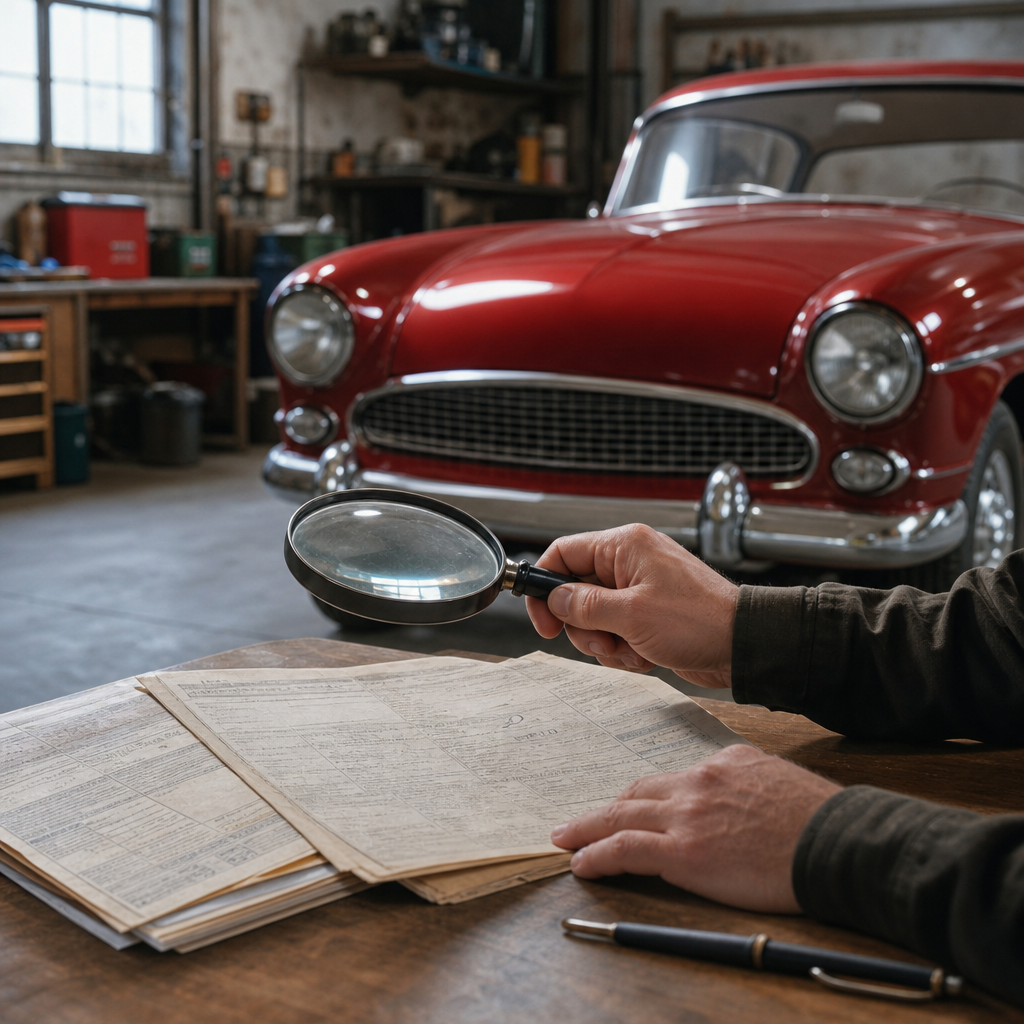

A professional classic car appraisal is a documented, defensible opinion of value prepared by a qualified appraiser who evaluates condition, originality, provenance, market demand, and comparable sales to determine what a vintage vehicle is worth in a specific context. In the classic car market, that context matters as much as the car itself. An appraisal for insurance coverage is not the same as one prepared for probate, divorce, charitable donation, financing, or a private sale. I have reviewed appraisals for all of those situations, and the best reports always begin by defining the assignment clearly before anyone talks about numbers.
Classic car pricing and valuation can be confusing because enthusiasts often use the words price, value, cost, and worth as if they are interchangeable. They are not. Price is what someone asked or paid. Value is a supported conclusion based on evidence. Cost is what an owner spent on restoration, storage, transport, and maintenance. Worth is often emotional, especially when a car has been in a family for decades. A professional classic car appraisal separates those ideas and converts them into a structured valuation that lenders, insurers, attorneys, tax professionals, and serious buyers can trust.
This matters because the spread between optimistic asking prices and verified market value can be huge. Two 1967 Chevrolet Camaros may look similar in photos, yet one may be a numbers-matching SS with documented ownership history and correct drivetrain stampings, while the other may be a re-bodied tribute car with non-original components. The gap in value can reach tens of thousands of dollars. The same principle applies to air-cooled Porsche 911s, split-window Corvettes, first-generation Broncos, and postwar Mercedes-Benz roadsters. Without a professional appraisal, owners commonly overinsure, underinsure, overpay, or leave money on the table.
As a hub for classic car pricing and valuation, this guide explains how to get a professional classic car appraisal, what appraisers look for, what documents you should gather, which valuation methods are used, and how to avoid common mistakes. If you are buying, selling, insuring, settling an estate, or planning your broader buying and selling strategy, understanding the appraisal process gives you a factual baseline for every decision that follows.
When You Need a Professional Classic Car Appraisal
You need a professional classic car appraisal any time a vehicle’s value must be supported by more than a casual estimate. The most common trigger is insurance. Agreed value and stated value policies rely on credible documentation, especially for rare, modified, or recently restored vehicles. Insurers may accept photos and owner-submitted details for lower-value classics, but higher-value cars usually benefit from an independent appraisal that explains condition, equipment, serial numbers, and comparable sales. If a claim happens, a thorough report can reduce disputes because the file already contains evidence showing why the insured amount was reasonable.
Appraisals are also routine in estates, divorce proceedings, bankruptcy matters, business asset transfers, and charitable donations. In those settings, the report must usually identify the type of value being concluded, the effective date, and the scope of inspection. A date-specific valuation is critical. A 2021 market high for an air-cooled Porsche does not automatically support a 2024 estate filing, because collector markets move in cycles. Courts, accountants, and tax professionals generally want a report tied to the exact legal or financial event, not a generic opinion based on current listings.
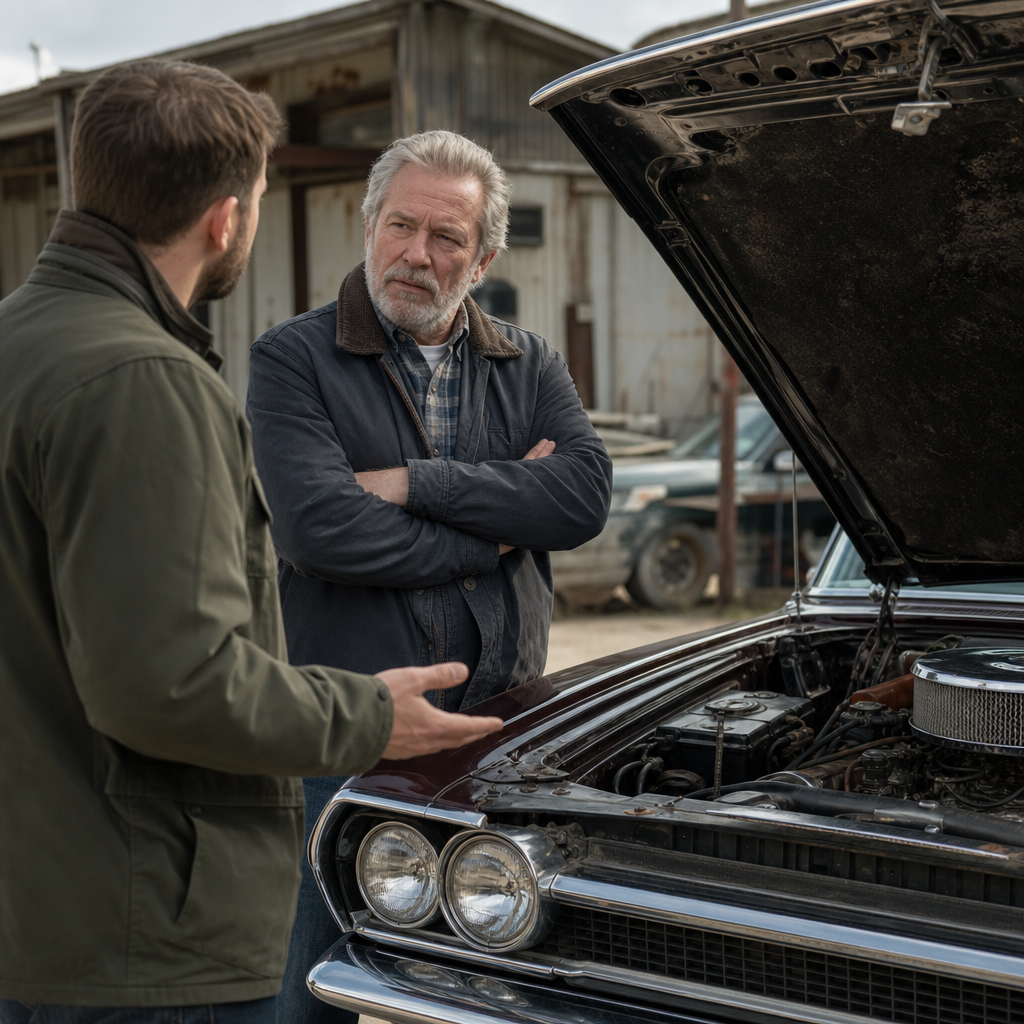
If you are preparing to sell, a classic car appraisal can improve pricing discipline. Sellers often anchor to restoration receipts, but a $120,000 restoration does not guarantee a $120,000 market value. In fact, many restorations are economically upside down. The report helps distinguish between sunk cost and market-supported value, which leads to cleaner negotiations. Buyers benefit too. Before wiring funds for a long-distance purchase, especially from an online auction or broker, commissioning an appraisal or inspection can expose condition issues that glossy photos miss, such as overspray, filler, incorrect trim, replacement tags, or driveline inconsistencies.
What a Qualified Appraiser Actually Evaluates
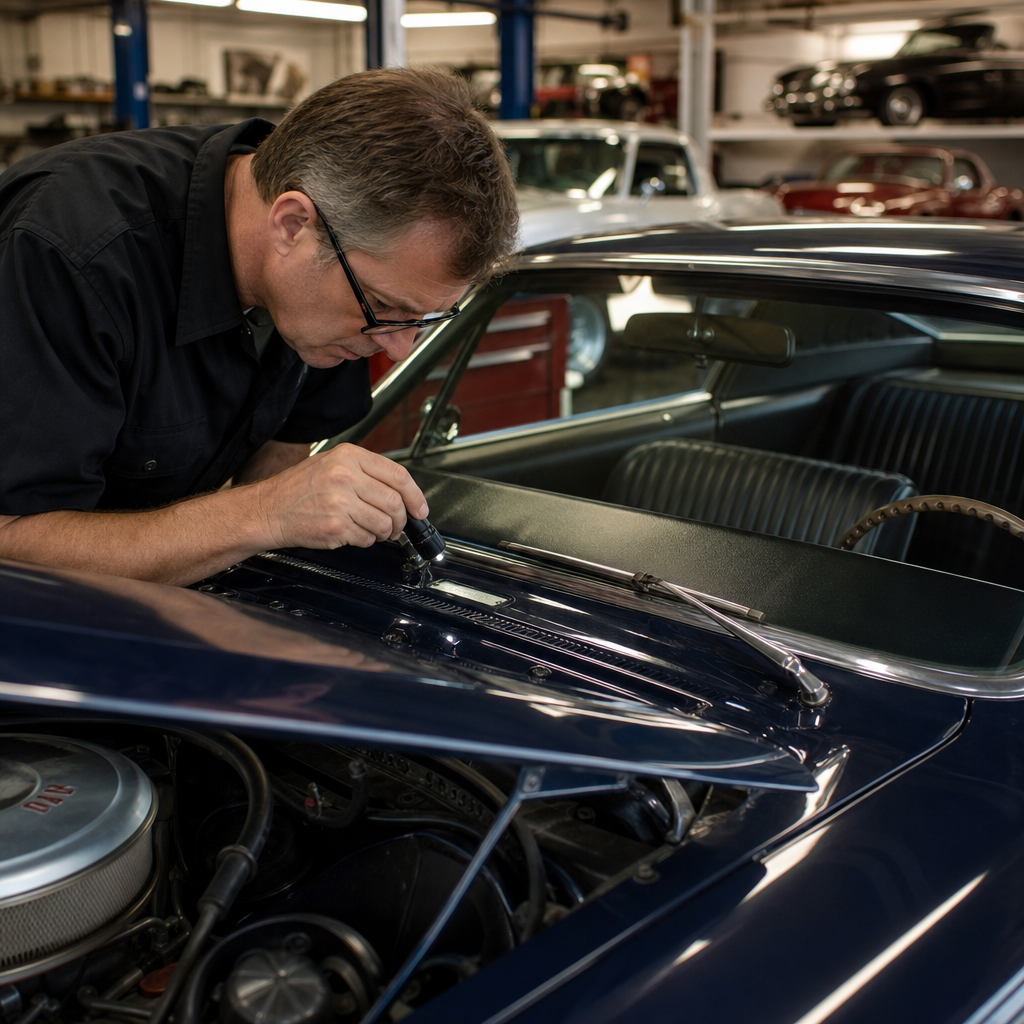
A professional appraiser starts with identity and authenticity. That means verifying the VIN, body tag, engine and transmission numbers where applicable, trim tags, production dates, and factory equipment codes. On muscle cars, matching driveline components, partial VIN stampings, and protect-o-plate or broadcast sheet documentation can materially affect value. On European classics, chassis plates, coachbuilder records, and factory certificates may matter more. The appraiser is not simply checking whether the car runs; they are determining whether the vehicle is what it claims to be and whether the market will recognize it as such.
Condition is the next major factor, and it is broader than paint shine. A proper appraisal assesses body integrity, panel fit, corrosion, underside preservation, chrome, glass, interior materials, dash components, weatherstripping, engine bay presentation, suspension condition, and signs of prior repair. Many appraisers use a standardized condition scale influenced by auction houses, insurer guidelines, and price guide conventions. A number-one concours-quality car is fundamentally different from a number-two excellent driver, and that distinction can have a dramatic impact on value even within the same model year and trim level.
Originality versus restoration quality is another key area. Some markets reward preserved, unrestored examples with patina and documentation. Others favor fresh, accurately executed restorations. The appraiser notes whether finishes, colors, upholstery, wheels, carburetion, badging, and accessories are factory-correct, period-correct, or custom. Restomod and pro-touring builds require a different lens. Their value often depends on workmanship, brand-name components, build sheet transparency, and buyer taste. A professionally engineered LS-swapped 1969 Camaro with Detroit Speed suspension, Wilwood brakes, and a Tremec gearbox may outperform stock examples in the market, but only if the build quality and documentation support the premium.
Provenance also matters. Ownership history, celebrity association, competition history, rare options, original dealer paperwork, service records, restoration photos, and awards can all strengthen value. However, provenance must be documented, not just claimed. I have seen sellers mention “one family owned” or “believed original mileage” without records, and that language carries little weight in a formal appraisal. The strongest files include title history, invoices, old registrations, marque expert letters, judging sheets, and restoration binders with date-stamped photographs.
How the Appraisal Process Works From Start to Finish
The process usually begins with an engagement discussion. The appraiser asks why the appraisal is needed, what type of value is required, the effective date, and whether an onsite inspection is possible. This is where scope gets defined. For example, an insurance appraisal may emphasize replacement cost and current market support, while an estate appraisal may require fair market value as of a past date. Once the purpose is clear, the appraiser requests supporting documents and schedules the inspection.
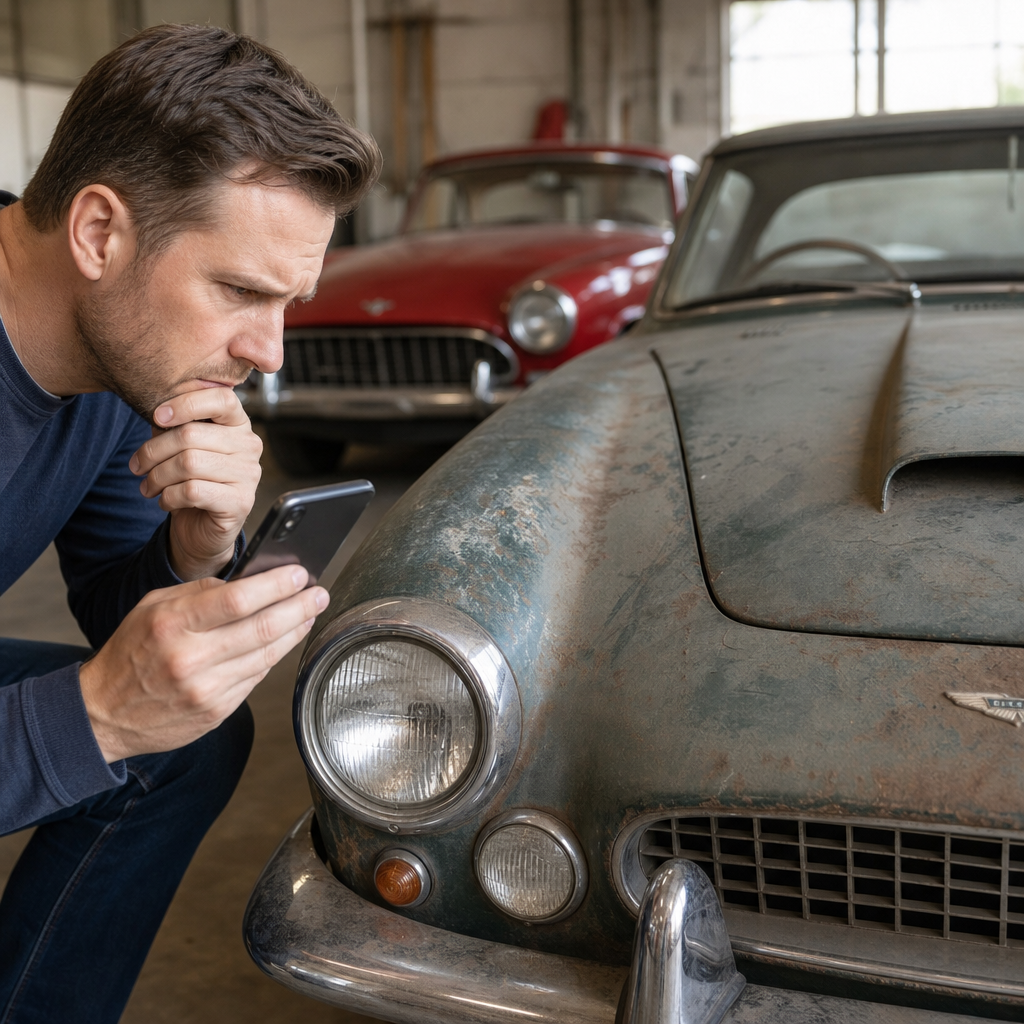
During inspection, the vehicle is photographed extensively. Expect images of all exterior angles, VIN plates, tags, drivetrain stampings, wheels, tires, interior, trunk, undercarriage if accessible, and any flaws. Measurements, option verification, and mechanical observations may be included. Some appraisers road test when appropriate, but not always. A valuation appraisal is not the same as a pre-purchase mechanical inspection, although the two can overlap. If you want compression readings, leakdown data, paint meter readings, or borescope images, confirm that in advance or hire a specialized inspector alongside the appraiser.
After inspection, the appraiser researches the market. This includes public auction results from firms such as Mecum, Barrett-Jackson, RM Sotheby’s, Bonhams, Broad Arrow, and Gooding & Company, along with private sale databases, dealer inventories, marque-specific forums, insurer valuation tools, and print or subscription price guides. The key is not grabbing the highest sale and calling it the value. Comparable sales must be normalized for condition, originality, mileage, provenance, timing, and regional differences. A televised auction result achieved under unusual hype may not represent broader market behavior.
The final report should explain the vehicle description, assignment details, methodology, market data, adjustments, photographs, assumptions, limiting conditions, and concluded value. Strong reports read like a case file, not a one-page estimate. They answer the obvious questions before an insurer, buyer, court, or tax adviser asks them. That is what makes the valuation useful beyond the day it is issued.
Documents and Evidence You Should Gather Before Ordering an Appraisal
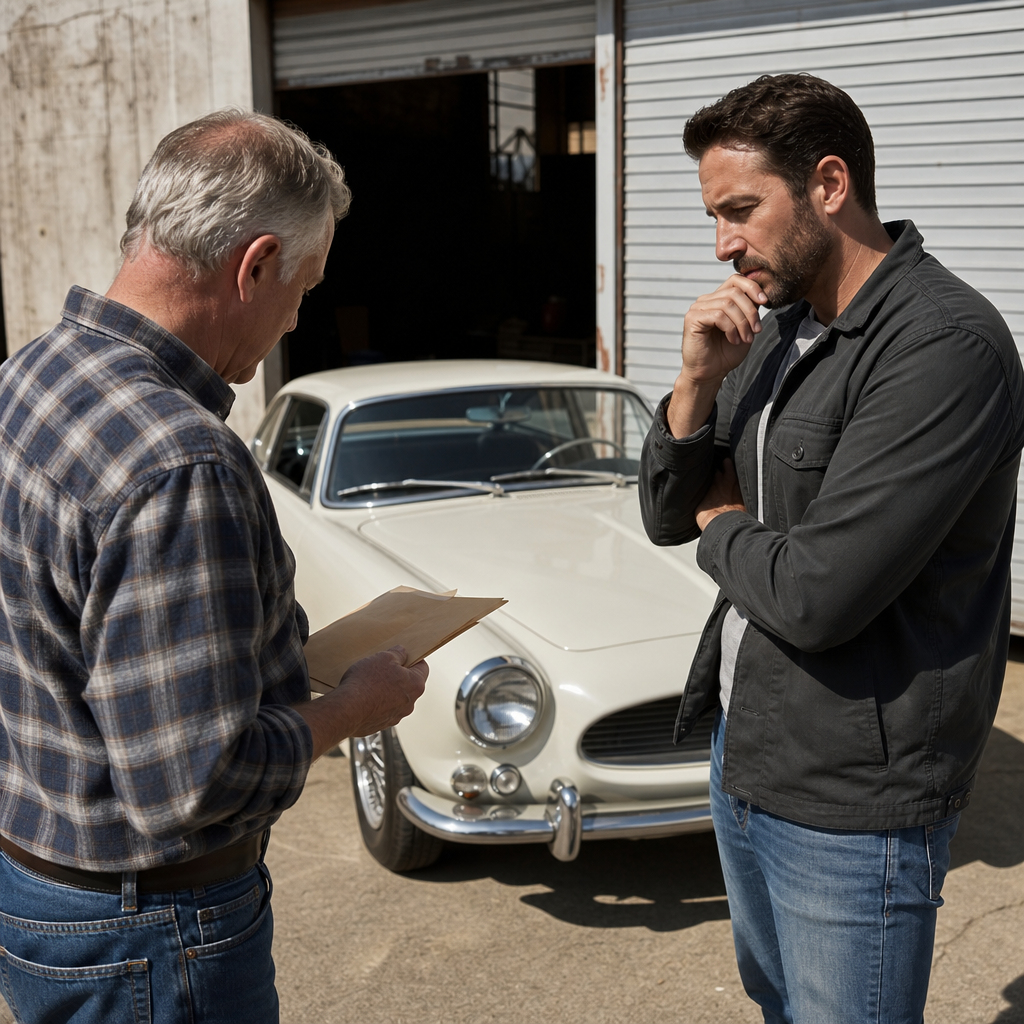
The quality of a classic car appraisal depends heavily on the file you hand over. Start with the title, registration, and any previous bills of sale. Then collect factory or marque documentation, such as a Porsche Certificate of Authenticity, a Pontiac Historical Services package, a BMW Classic certificate, a Marti Report for certain Fords, a Jaguar Heritage Trust certificate, or original build sheets and window stickers when available. These records help confirm configuration and options, which often drive value.
Restoration records are equally important. Gather invoices for bodywork, paint, upholstery, engine machining, parts purchases, and specialist labor. Include restoration photos showing metalwork before filler and paint. If the car was judged at marque events, add score sheets and award documentation. Service history matters too, especially for models where deferred maintenance can destroy value. Ferrari timing belt service, air-cooled 911 top-end work, hydraulic suspension maintenance on certain Citroëns, or XKE cooling system repairs all tell a future buyer something concrete about risk.
Organize the file in a simple sequence so the appraiser can verify claims quickly.
| Document | Why It Matters | Example Impact on Value |
|---|---|---|
| Title history | Supports ownership chain and date-specific status | Helps validate provenance in estate or collector sales |
| Factory documentation | Confirms original engine, colors, trim, and options | Rare factory options can add substantial premium |
| Restoration invoices | Shows workmanship scope and specialist involvement | Professional restoration is valued above undocumented work |
| Service records | Demonstrates maintenance and mechanical care | Reduces buyer discount for unknown condition |
| Judging sheets and awards | Provides third-party assessment of correctness | Can strengthen value for concours-level cars |
If documentation is missing, do not try to fill the gaps with assumptions. Be honest about what is known, what is believed, and what cannot be verified. A credible appraisal acknowledges uncertainty explicitly. That honesty protects you far more than inflated claims that collapse under scrutiny later.
Valuation Methods, Price Guides, and Market Reality
Professional classic car appraisers generally rely on a sales comparison approach, sometimes supported by cost considerations and market trend analysis. The sales comparison approach uses recent transactions of similar vehicles and adjusts for differences. This is the backbone of most collectible vehicle appraisals because actual market behavior is more persuasive than theory. Cost has limited usefulness because restoration spending rarely equals market return. Income approaches almost never apply unless the vehicle is part of a commercial operation such as a museum or rental fleet.
Recognized price guides can help frame the market, but they are starting points, not final answers. Hagerty Price Guide, Collector Car Market Review, and insurer databases can establish broad ranges by condition tier. Auction archives from Bring a Trailer and Cars & Bids can be useful for modern classics and enthusiast-driven segments, but online results still require interpretation. A no-reserve sale, a celebrity seller, exceptional photography, or a highly active comment section can all skew outcomes. Dealer asking prices are the weakest data point because they represent ambition, not a completed transaction.
Market reality often turns on nuance. A 1970 Plymouth ’Cuda with a replacement block may trade far below a numbers-matching example even if both present beautifully. A Mercedes-Benz 280SL “Pagoda” in a desirable original color with documented ownership may beat a freshly restored car in a less attractive color combination. A first-generation Ford Bronco with quality upgrades may sell faster than a stock truck, but a heavily personalized build narrows the buyer pool. The appraiser’s job is to convert that nuance into evidence-based adjustments rather than gut feeling.
How to Choose the Right Appraiser and Avoid Costly Mistakes
Choose an appraiser with collector-car experience in your vehicle category, not just general automotive knowledge. Ask whether they have handled domestic muscle, brass era cars, postwar European sports cars, Japanese classics, trucks, or modified builds similar to yours. Request a sample report. Look for clear methodology, detailed photographs, stated assumptions, and relevant comparable sales. Membership in recognized appraisal organizations can be helpful, but it should not replace demonstrated subject-matter depth. On rare models, marque familiarity is often the difference between a precise report and an average one.
Avoid common mistakes. Do not confuse an auction estimate, an online instant valuation, or a friend’s opinion with a professional appraisal. Do not hide flaws, replacement stampings, title issues, or undocumented modifications. Experienced appraisers notice inconsistencies quickly, and omissions can undermine the entire report. Do not wait too long to update values in a moving market. For insurance, review your appraisal periodically, especially after restoration, major maintenance, market swings, or significant awards. Finally, remember that a strong appraisal is a valuation tool, not a guarantee that every buyer will pay the concluded figure. Real transactions still depend on timing, presentation, venue, and negotiation.
For anyone operating within buying and selling classic cars, a professional classic car appraisal is the hub document that supports pricing, insurance, negotiation, estate planning, and transaction confidence. It defines value with evidence, not emotion. It explains authenticity, condition, provenance, and market positioning in terms that insurers, buyers, attorneys, and tax advisers can use immediately. If you want to price a car correctly, protect it properly, or defend its worth in a serious transaction, gather your documentation, hire a qualified appraiser, and start with facts.
Frequently Asked Questions
What is a professional classic car appraisal, and why does the intended use matter so much?
A professional classic car appraisal is a written, well-supported opinion of value prepared by a qualified appraiser. It is not just a casual estimate or a number pulled from an online price guide. A proper appraisal documents the vehicle’s identity, condition, originality, restoration quality, provenance, options, modifications, market position, and comparable sales, then applies that information to a specific valuation purpose. That last part is critical, because a classic car can have different values depending on why the appraisal is being done.
For example, an appraisal prepared for insurance coverage often focuses on establishing an appropriate insured value so the owner is not underinsured or overinsured. An appraisal for probate may need to reflect fair market value as of a specific date. In divorce proceedings, the report may need to stand up to scrutiny from attorneys, mediators, or the court. For charitable donation, tax-related rules and substantiation requirements may apply. Financing, estate planning, private sale negotiations, and diminished value claims can each call for different definitions of value and different reporting standards.
That is why the appraiser should understand not only the vehicle, but also the assignment itself. A defensible appraisal explains the valuation context, identifies the relevant market, and supports the conclusion with evidence. If the intended use is unclear or the wrong type of appraisal is ordered, the final report may not meet the needs of the insurer, lender, attorney, tax professional, or other party relying on it.
How do I choose a qualified appraiser for a classic or vintage vehicle?
Start by looking for someone with real experience in the collector-car market and a track record appraising vehicles similar to yours. Classic cars are a specialized field. A competent appraiser should understand factory-correct specifications, production variations, restoration standards, period options, matching-numbers issues, authenticity concerns, and how buyer demand differs across marques, body styles, and eras. A 1960s muscle car, a pre-war luxury automobile, and a European sports car each require a different depth of market knowledge.
Ask about professional training, certifications, appraisal methodology, and whether the appraiser follows recognized standards. You should also ask whether they have experience preparing reports for your specific purpose, whether that is insurance, probate, divorce, donation, financing, or sale support. A good appraiser will explain their process clearly, tell you what documents they need, disclose any limits to the assignment, and avoid making unrealistic promises about value.
It is also wise to review a sample report if one is available. A professional appraisal should be organized, detailed, and evidence-based. It should include photographs, vehicle identification information, condition analysis, market commentary, and a clear explanation of how the value conclusion was reached. Be cautious of anyone who gives a number with little documentation, relies only on generic price guides, or appears more interested in telling you what you want to hear than in producing an objective opinion. In many situations, credibility matters just as much as the value conclusion itself.
What information and documentation should I gather before the appraisal appointment?
The more complete your records are, the stronger and more accurate the appraisal is likely to be. At a minimum, have the title or registration available, along with the VIN or serial number, current mileage or odometer reading, and any prior appraisals if they exist. It is also very helpful to gather restoration records, service invoices, parts receipts, ownership history, judging sheets, awards, factory build information, and documentation that supports originality or provenance.
If the car has had a restoration, provide details about when the work was performed, who did it, and whether it was a cosmetic refresh, a driver-quality restoration, or a high-level concours effort. If the vehicle retains original paint, interior, drivetrain, or rare factory options, documents supporting those claims can significantly influence the appraiser’s conclusions. Likewise, if the car has known modifications, replacement components, or non-original features, disclose them openly. Surprises found during inspection can undermine confidence in the overall presentation.
Photographs can also help, especially if they show the vehicle before restoration, during restoration, or at earlier points in its ownership history. For rare or historically significant cars, period photos, race history, celebrity ownership records, or marque-expert correspondence may be relevant. In short, do not assume the appraiser will simply “figure it out” from the car alone. A classic car’s value often depends on its story, and documentation is what turns that story into something verifiable and defensible.
What does the appraiser actually evaluate when determining the value of a classic car?
A thorough appraiser looks at far more than paint shine and chrome quality. The process typically begins with confirming the vehicle’s identity, including VIN, serial numbers, engine and drivetrain numbers where applicable, body tags, trim tags, and other identifying features. From there, the appraiser evaluates condition in a structured way, usually considering the exterior, interior, engine compartment, undercarriage, chassis, glass, trim, mechanical systems, and overall presentation. They also assess whether the car appears original, restored, modified, or some combination of all three.
Originality is often a major factor in the collector market. Matching-numbers drivetrains, correct finishes, factory-spec materials, date-coded components, and rare original options can elevate value. On the other hand, modifications may either enhance or reduce value depending on the vehicle and the buyer audience. A period-correct performance upgrade might be acceptable in one segment of the market, while in another it may materially reduce collectibility. Restoration quality matters too. A freshly restored car is not automatically worth more if the workmanship, authenticity, or component choices are weak.
The appraiser also studies market demand and comparable sales. That means reviewing recent transactions involving similar cars, while accounting for differences in condition, originality, provenance, options, and timing. Not every public sale is truly comparable, and auction headlines alone can be misleading. A professional appraiser interprets those sales in context, considers broader market trends, and applies reasoned adjustments rather than treating every high-profile result as a benchmark. The final opinion of value should reflect both the specific car and the real market for that type of vehicle at the relevant valuation date.
How often should I update a classic car appraisal, and when is a new one especially important?
As a practical rule, many owners should consider updating a classic car appraisal every one to three years, but the right timing depends on the vehicle, the market, and the purpose of the report. The collector-car market can shift noticeably, especially for high-demand segments, rare models, or vehicles affected by changing buyer preferences. An appraisal that was reasonable a few years ago may no longer reflect current market conditions, which can create problems if you are relying on it for insurance, estate planning, or sale strategy.
You should also obtain a new appraisal after any major change to the car itself. That includes a restoration, mechanical rebuild, color change, documentation discovery, award recognition, ownership-history verification, or significant damage and repair. If the vehicle has moved from project status to restored condition, or from driver quality to show quality, the value picture may be dramatically different. The same is true if previously unknown issues come to light, such as non-original drivetrain components, title problems, or authenticity concerns.
A fresh appraisal is especially important before major life or financial events. If you are updating insurance coverage, settling an estate, entering divorce proceedings, planning a charitable donation, seeking financing, or preparing for a private sale, current documentation helps protect your interests. It gives insurers, attorneys, heirs, lenders, and buyers a clearer basis for decision-making. Most importantly, it helps ensure that the number attached to your classic car is not just optimistic or outdated, but credible, supportable, and suited to the situation at hand.