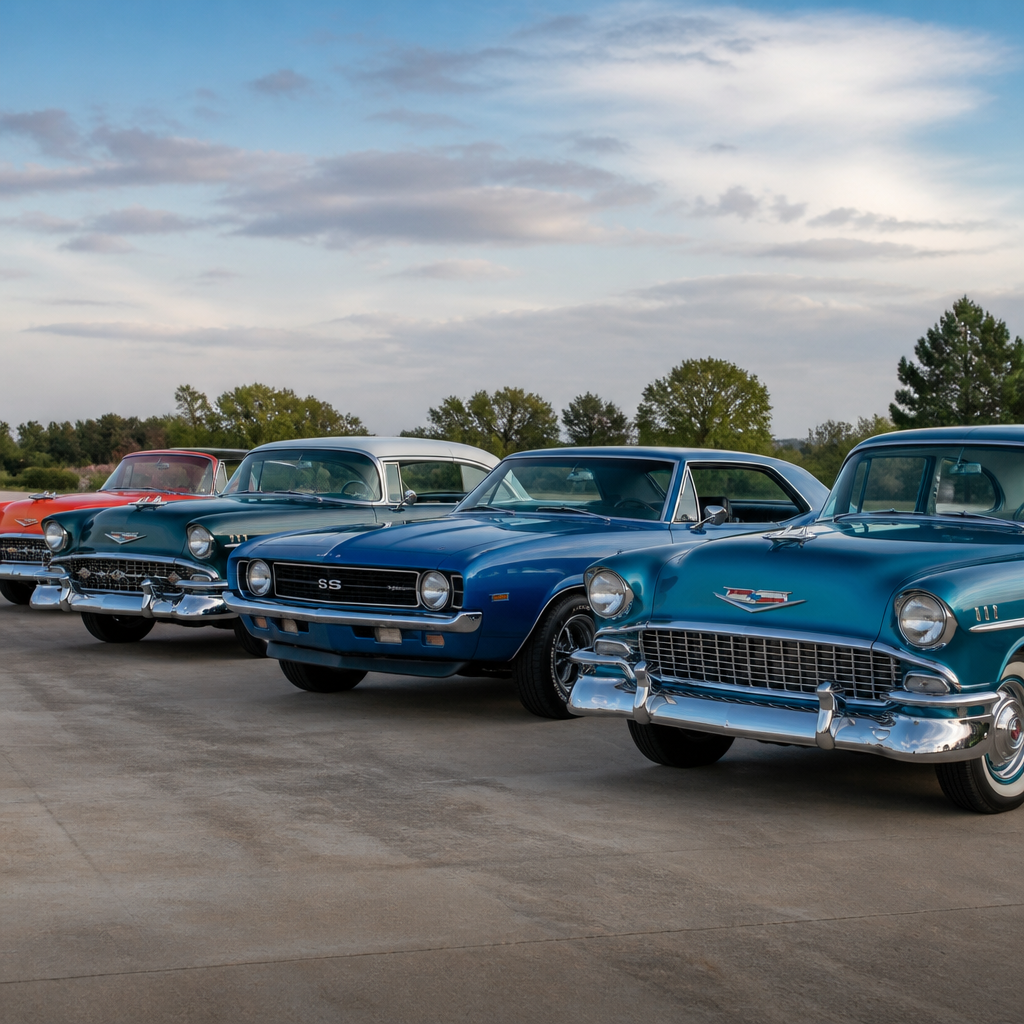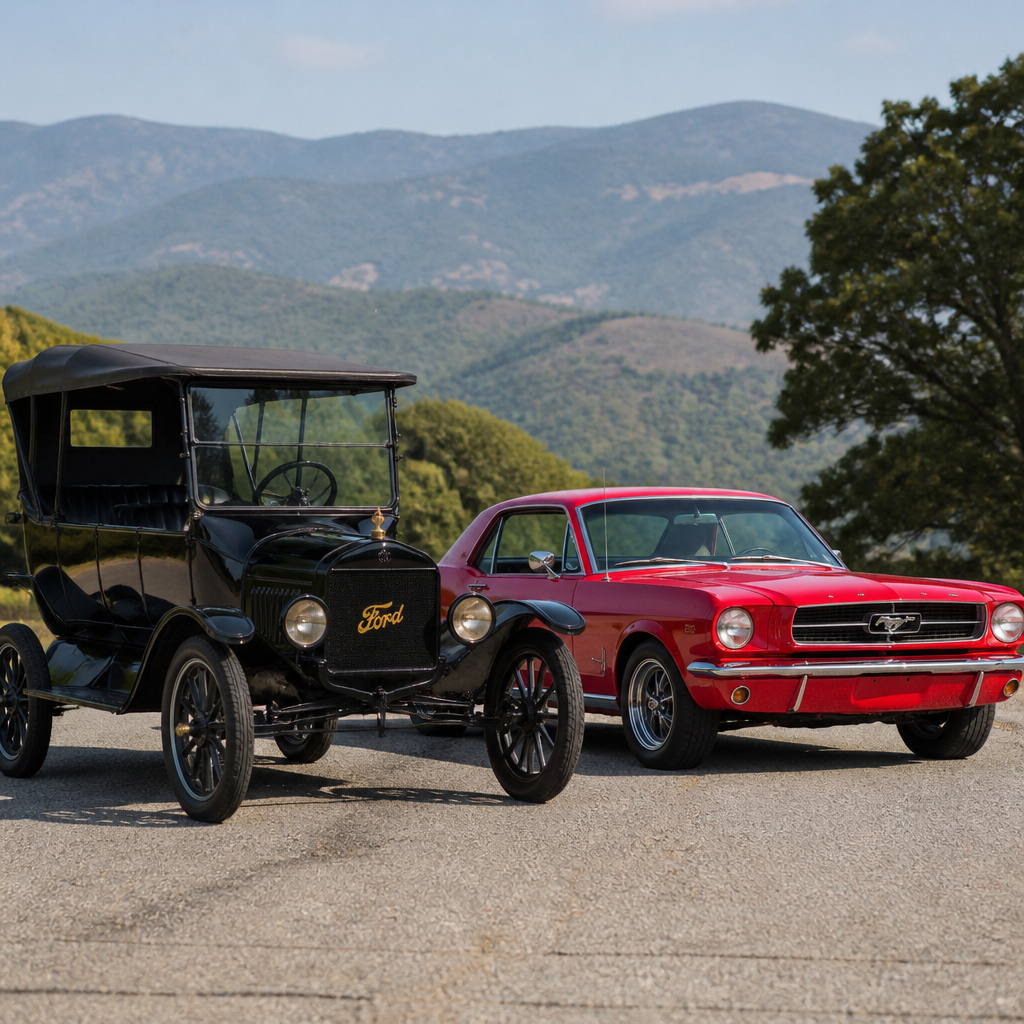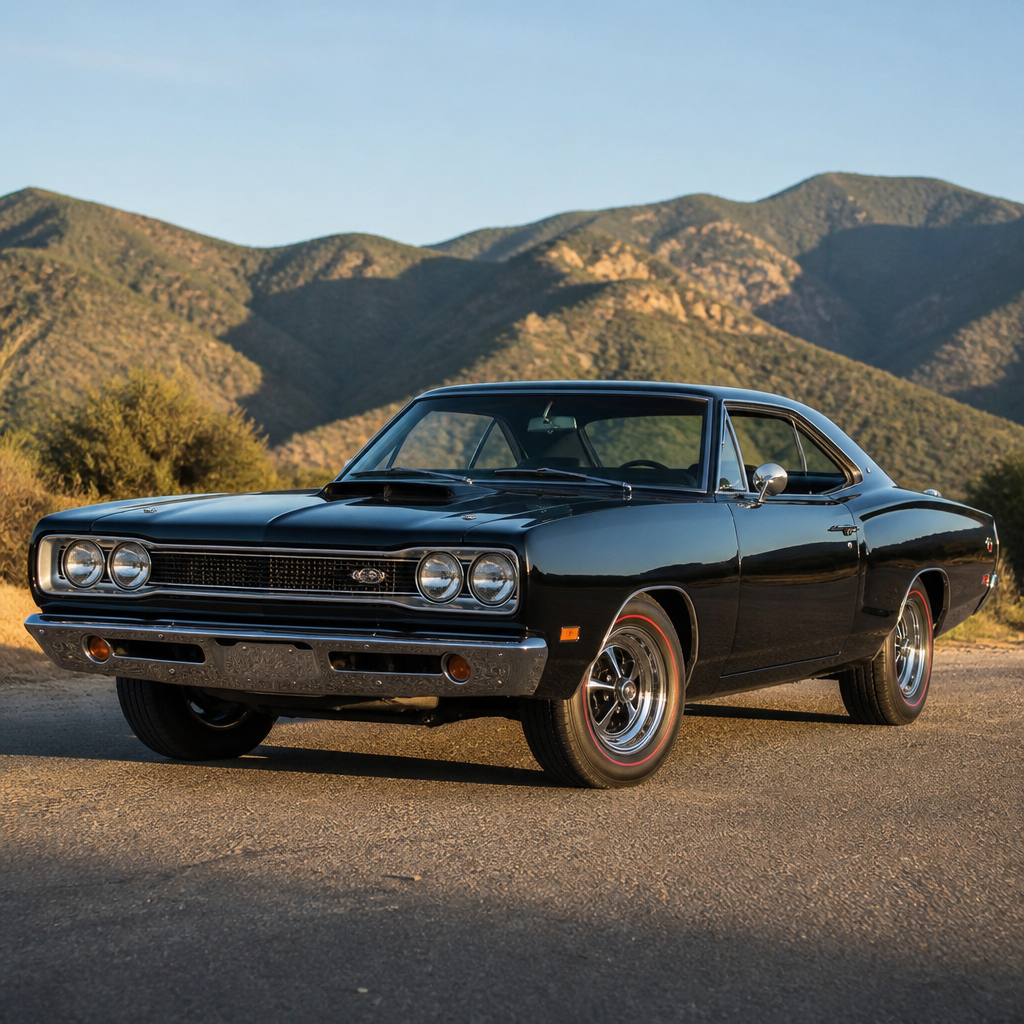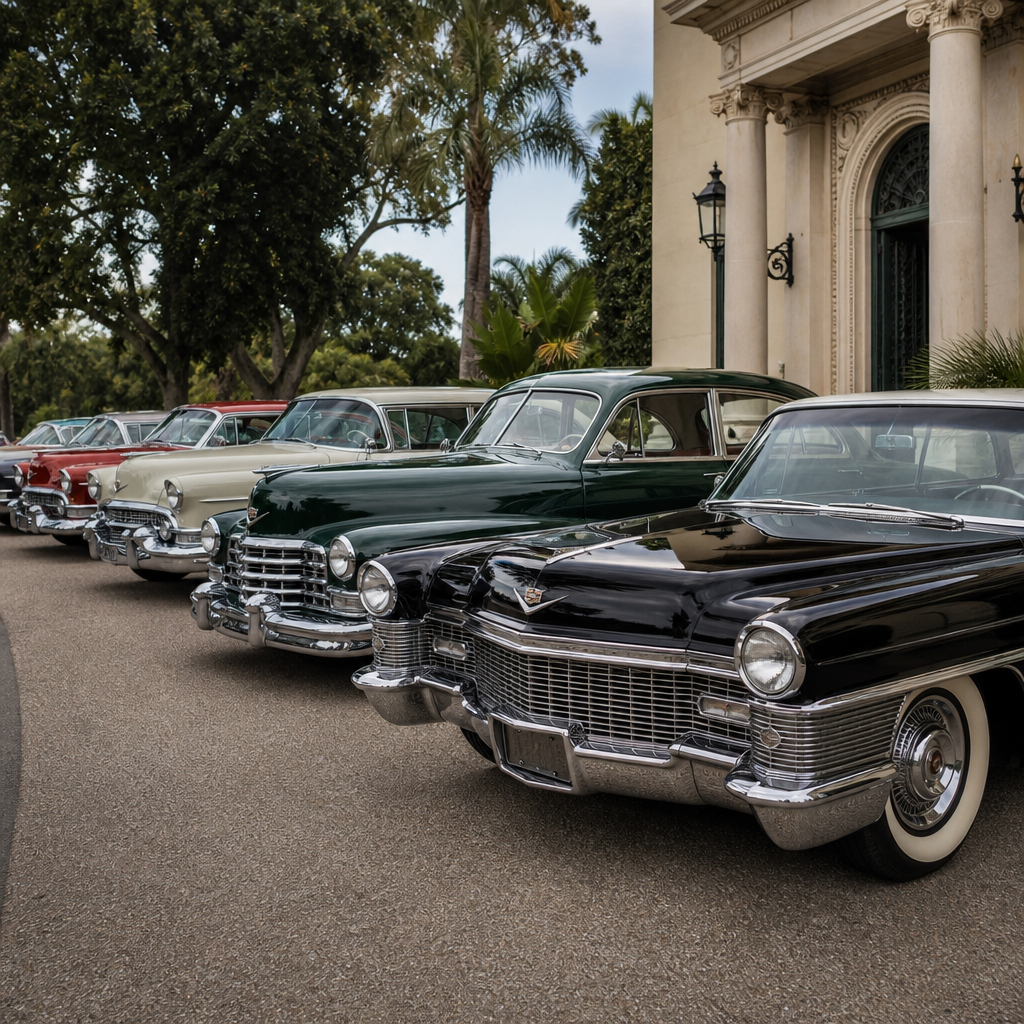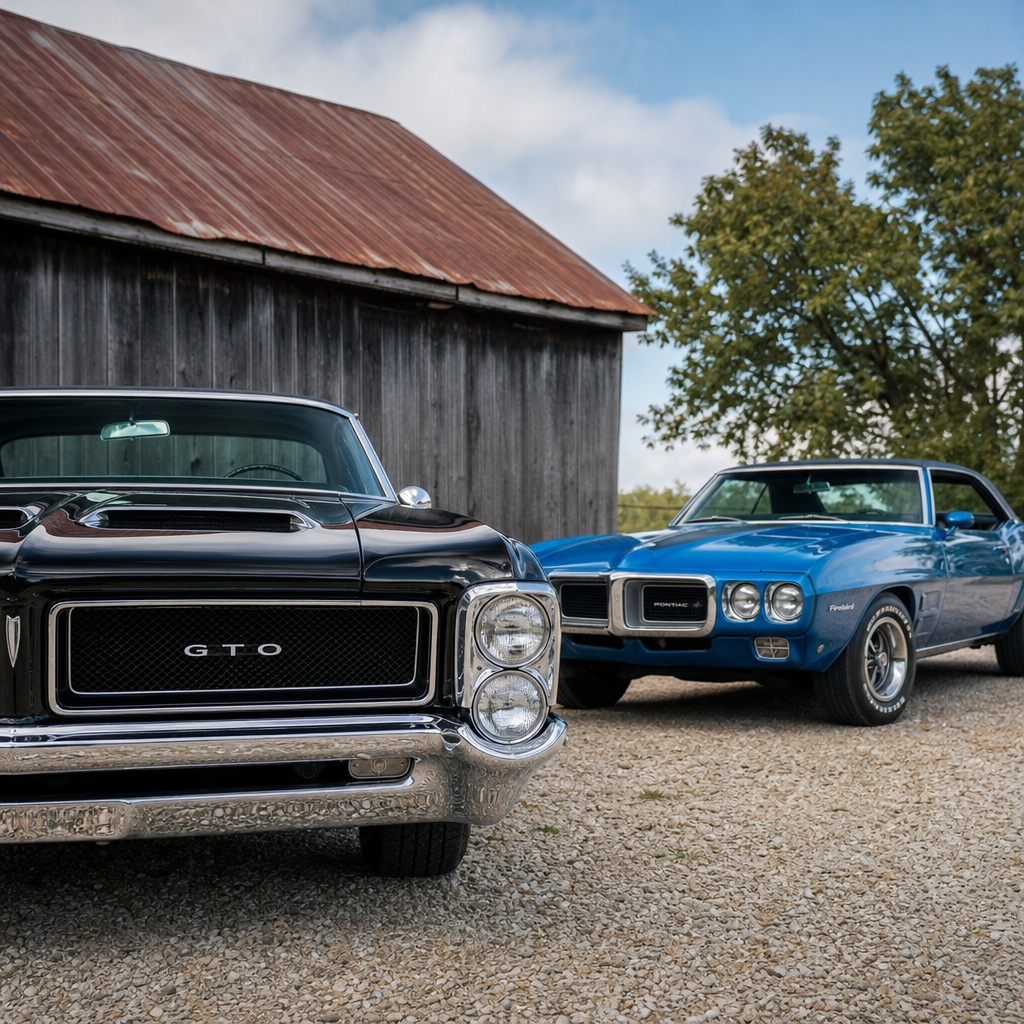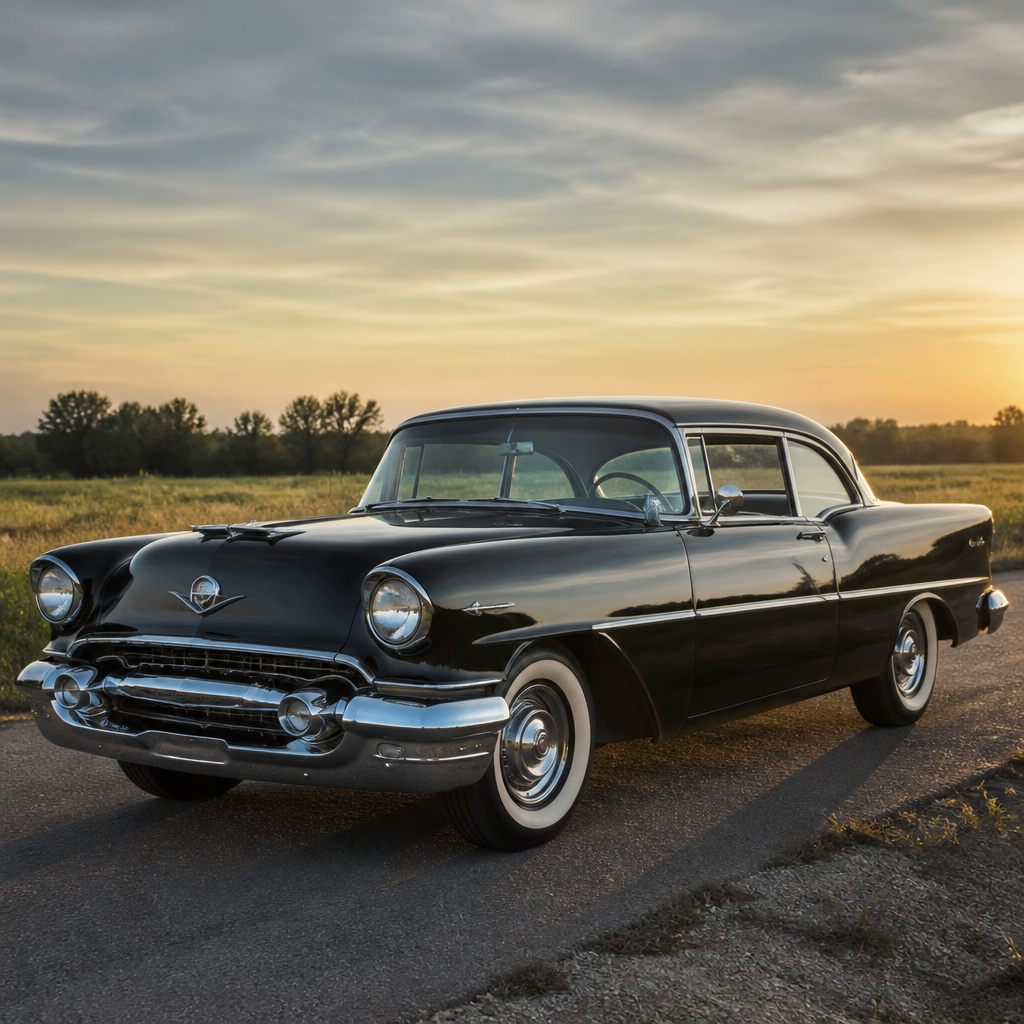
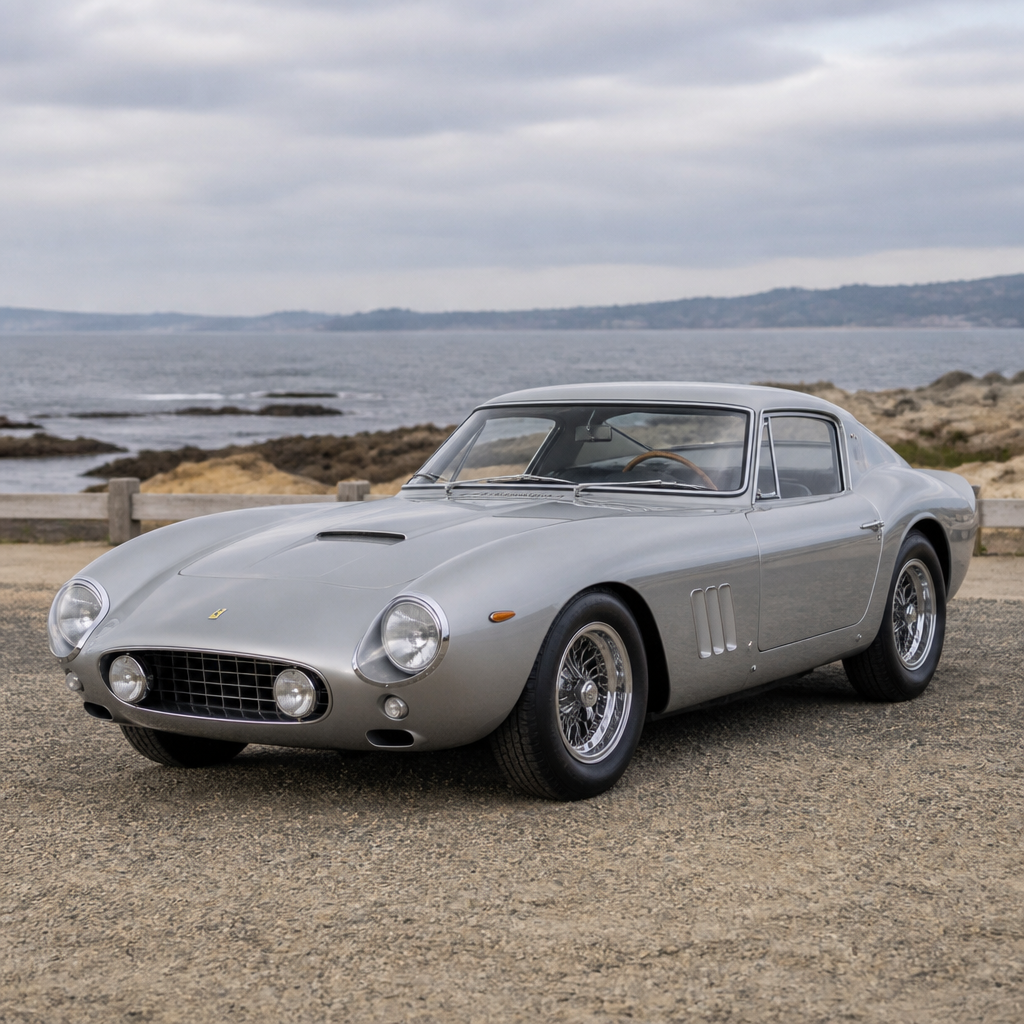
The most expensive classic cars ever sold sit at the intersection of engineering, design, motorsport history, and collector psychology. In the collector car market, “classic” usually refers to vehicles valued for historical significance and enduring desirability rather than simple age, while “rare cars” and “concept cars” describe machines produced in tiny numbers, built for racing homologation, created as one-off design studies, or preserved as singular milestones in automotive development. When these qualities converge in one vehicle, prices move far beyond transportation value and into the territory of cultural assets.
I have worked around auction catalogs, concours fields, and valuation discussions long enough to see the same pattern repeat: the highest prices are not random, and they are not driven by nostalgia alone. Buyers pay extraordinary sums for cars with documented provenance, major competition success, original components, limited production, and a strong narrative tied to a famous marque such as Ferrari, Mercedes-Benz, Aston Martin, Bugatti, or Porsche. A car’s file matters almost as much as its sheet metal. Chassis numbers, restoration records, period race entries, and factory build sheets can add millions because elite collectors are not only buying a machine; they are buying certainty.
This topic matters because the top end of the classic car market influences the entire “Classic Car Models & Brands” landscape. Record-setting sales establish benchmarks for restoration standards, insurance valuations, museum acquisitions, and the reputation of specific brands and model families. They also help explain why some concept and rare cars become blue-chip collectibles while others remain admired but comparatively affordable. For readers exploring concept and rare cars as a subtopic hub, understanding the most expensive sales provides a practical framework for judging what actually creates value in the real world.
At the highest level, the formula is straightforward. The most expensive classic cars ever sold are usually one of four types: championship-winning race cars, ultra-rare road cars from revered manufacturers, historically important prototypes or concept cars, and one-off vehicles associated with a defining moment in automotive history. However, every rule has nuance. Restoration can help value or hurt it, depending on whether originality was preserved. Celebrity ownership can boost headlines, but it rarely outweighs factory provenance. Market timing matters too. A peak-era Ferrari sold privately with impeccable documentation can outperform a more glamorous car sold publicly during a weaker auction season.
What Makes a Classic Car Reach Record Prices
The biggest sales are anchored by several measurable value drivers. Rarity is the most obvious, but rarity by itself is insufficient. I have seen low-production cars struggle because they lacked competition pedigree, design importance, or a collector base deep enough to support eight-figure bidding. True top-tier value comes from a combination of scarcity, significance, condition, originality, and provenance.
Provenance is the backbone of the market. A Ferrari 250 GTO is valuable because only 36 were built, but its value climbs further when a specific chassis carries period race results, respected ownership history, and matching-numbers authenticity. Auction houses such as RM Sotheby’s, Gooding Christie’s, Bonhams, and Broad Arrow spend enormous effort verifying those details because errors at this level are costly. The Fédération Internationale des Véhicules Anciens, factory archives, and marque specialists all contribute to authentication. Without strong provenance, a supposedly important car becomes a question mark, and question marks suppress bidding.
Brand hierarchy also matters. Ferrari dominates the upper end because it combines racing heritage, emotional design, low-volume production, and a global collector network. Mercedes-Benz occupies a similarly powerful position when a car represents a technical or cultural landmark, such as the 300 SLR Uhlenhaut Coupé. Aston Martin, Bugatti, Duesenberg, Porsche, and Alfa Romeo can reach elite valuations when a model embodies a golden era of performance or innovation. Concept cars often occupy a different lane. Many were never road legal, and some were destroyed by manufacturers, which makes surviving examples exceptionally important if they come to market at all.
Condition and originality require careful balance. In premier judging circles, untouched original finishes can be prized, but so can world-class restorations completed to factory-correct standards. Pebble Beach, Villa d’Este, and Amelia Island have all shaped buyer expectations here. Over-restoration, non-original drivetrains, undocumented color changes, or modern modifications usually reduce value unless the car’s history justifies them. The lesson is simple: expensive classic cars are judged as historical artifacts, not merely polished collectibles.
Record-Setting Sales That Defined the Market
The benchmark example is the 1955 Mercedes-Benz 300 SLR Uhlenhaut Coupé, sold in 2022 for approximately €135 million, or about $142 million at the time, in a sale that instantly reset the ceiling for collectible automobiles. Only two were built, and the car was not merely rare; it was one of the most significant postwar Mercedes engineering achievements, derived from the W196 and SLR racing program. Its combination of scarcity, advanced design, direct factory lineage, and near-mythic status made the price rational within the logic of the ultra-elite market.
Ferrari has supplied many of the next most important sales. The 1962 Ferrari 250 GTO remains a cornerstone of the market, with one example sold privately in 2018 for around $70 million and another sold publicly by RM Sotheby’s in 2023 for more than $51 million. These numbers reflect more than badge prestige. The 250 GTO was developed for GT racing, powered by Gioachino Colombo’s celebrated V12, and produced in extremely limited numbers. It also has one of the strongest owner communities in the hobby, which supports long-term demand in a way few cars can match.
Other headline Ferraris include the 1957 Ferrari 335 Sport Scaglietti, sold in Paris in 2016 for roughly €32 million, and the 1967 Ferrari 412P, which brought a major result because of rarity and sports racing pedigree. The 1956 Ferrari 290 MM, built for legends such as Juan Manuel Fangio, crossed the block for over $28 million in 2015. Each of these cars connects directly to factory competition history, and that matters because collectors consistently pay premiums for machines that participated in the era when manufacturers used endurance racing to prove engineering superiority.
Among American classics, the 1935 Duesenberg SSJ stands out after achieving $22 million at auction in 2018. That figure was driven by extreme rarity, supercharged performance, and famous ownership by Gary Cooper and Clark Gable. It proved that prewar American luxury can command world-class money when the model is truly exceptional. Likewise, the 1955 Jaguar D-Type, 1939 Alfa Romeo 8C 2900B Touring Berlinetta, and select Bugatti Type 57SC Atlantic-related cars have all reinforced the idea that market-leading prices follow cars with engineering distinction and a documented place in design history.
Concept Cars and Rare Cars as Investment-Grade Artifacts
Concept cars occupy a special place in this hub because they reveal how manufacturers imagined the future. Most were built to showcase styling, aerodynamics, new materials, or experimental drivetrains at motor shows. Many never entered production, and manufacturers often retained or destroyed them. That means surviving concept cars can be more exclusive than any limited-production road model. Yet their value depends heavily on context. A one-off dream car from a major design house with full factory recognition will usually be more important than an obscure prototype with incomplete records.
The General Motors Motorama era offers clear examples. Cars such as the 1954 Pontiac Bonneville Special, the Buick Y-Job, and the Firebird turbine concepts became rolling statements of industrial optimism. If vehicles of that stature come to market, collectors are not simply valuing horsepower or road manners; they are valuing design history and corporate heritage. The same applies to Italian coachbuilt show cars by Bertone, Pininfarina, Zagato, and Ghia. A one-off Alfa Romeo BAT car or a dramatic Lancia concept can command exceptional prices because it represents both automotive and decorative art.
Rare homologation cars form another bridge between concept and collectible. Models such as the Porsche 959, Ferrari 288 GTO, Lancia Stratos, and Jaguar XJ220 were created to satisfy racing regulations or to exploit performance technologies not yet common on road cars. They were not concepts in the pure show-car sense, but they embodied experimental engineering in low-volume production. In my experience, collectors treat them as usable artifacts of innovation, especially when they retain original drivetrains, low mileage, and full factory documentation.
| Value Driver | Why It Matters | Example |
|---|---|---|
| Production rarity | Fewer surviving examples increase competition among top buyers | Ferrari 250 GTO, Mercedes-Benz 300 SLR Uhlenhaut Coupé |
| Competition history | Documented race entries and wins create historical significance | Ferrari 290 MM, Jaguar D-Type |
| Factory provenance | Archive records and matching numbers reduce authenticity risk | Porsche 959 with complete service history |
| Design importance | One-off styling studies can transcend normal collector categories | Alfa Romeo BAT concepts, GM Motorama cars |
| Originality or correct restoration | Preserved details support concours quality and valuation confidence | Duesenberg SSJ, Bugatti Type 57 variants |
Not every rare car becomes expensive. Some fail because maintenance is punishing, replacement parts are scarce, or the collector audience is narrow. Others suffer from weak usability; a historically important concept may be impossible to register, insure conventionally, or display outside institutional settings. The highest-value buyers can absorb those constraints, but the market still discounts impracticality when the historical significance is not overwhelming.
Why Ferrari, Mercedes-Benz, and Coachbuilt Icons Dominate
Ferrari’s dominance is structural rather than fashionable. The brand built its identity on competition, produced many of its greatest road cars in tiny numbers, and maintained an archive culture that allows serious verification. Models like the 250 GTO, 250 Testa Rossa, 290 MM, and 410 Sport combine high-revving V12 engines, hand-formed coachwork, and race history from circuits such as Le Mans, the Mille Miglia, Sebring, and the Targa Florio. That combination is nearly impossible for other marques to replicate consistently.
Mercedes-Benz reaches similar heights when the company’s engineering leadership is central to the story. The 300 SLR Uhlenhaut Coupé was not just beautiful; it represented a technical summit of the 1950s, with lightweight construction, advanced performance, and direct ties to one of the most important racing programs in Europe. Mercedes also benefits from institutional stewardship. The Mercedes-Benz Museum and factory heritage efforts have reinforced confidence in authenticity and significance, and confidence is a key ingredient in any nine-figure valuation.
Coachbuilt icons from the prewar and immediate postwar eras remain vital because they represent a period before standardized mass production defined luxury. Duesenberg, Delahaye, Talbot-Lago, Hispano-Suiza, and Bugatti commissioned bodies from elite carrozzerie and ateliers, making each surviving example part automobile and part sculpture. When a car unites a celebrated chassis, a noted coachbuilder, and documented ownership, the result can rival fine art. That is why collectors, museums, and occasionally sovereign-level buyers pursue these cars so aggressively.
The market also rewards stories people can retell easily. “One of 36 built” works. “Won its class at Sebring” works. “Designed by Pininfarina as a one-off and retained by the factory” works. Cars that can be summarized in one compelling sentence travel farther in auctions, media coverage, and private negotiations than technically interesting models with diffuse histories.
How Collectors Evaluate the Most Expensive Classic Cars
At the top of the market, due diligence is exhaustive. Buyers review chassis stamping locations, engine and gearbox numbers, restoration photography, historical ownership chains, event entries, and expert reports. They compare the car against period images and factory records. For race cars, they examine whether the body, frame, and driveline remained together throughout the car’s life or were reconstructed around surviving components. These details affect liquidity later, because the next buyer will ask the same questions.
Costs after purchase are also part of the calculation. A $20 million to $50 million car may require climate-controlled storage, specialist mechanics, custom insurance, event transport, and periodic servicing by factory-recognized experts. Cars with magnesium components, complex fuel systems, or irreplaceable coachwork need careful stewardship. In other words, the purchase price is only the entry ticket. Serious collectors budget for preservation because neglect destroys both value and historical integrity.
For readers using this page as a hub for concept and rare cars, the practical takeaway is clear: value is created where scarcity meets verified significance. If you are researching specific models next, focus on production totals, documented provenance, period competition use, design authorship, and originality before looking at headline prices. Follow auction archives from RM Sotheby’s, Gooding Christie’s, and Bonhams, study marque registries, and compare private-sale reports cautiously because public records are usually more reliable. The most expensive classic cars ever sold teach one lasting lesson: the market rewards history you can prove. Explore the model-specific pages in this subtopic, and use these benchmarks to judge which rare cars are merely interesting and which are truly world-class collectibles.
Frequently Asked Questions
What makes a classic car sell for an extraordinary price at auction?
The highest-priced classic cars are rarely valuable for just one reason. In most cases, record-setting prices come from a powerful combination of rarity, provenance, design importance, racing history, originality, and brand prestige. A car that was produced in very small numbers immediately stands out, but scarcity alone is not enough. Collectors also want a compelling story: perhaps the car won major races, was driven by a famous driver, belonged to a notable owner, or represented a turning point in automotive engineering.
Condition plays a major role as well, but in the upper tier of the market, originality can matter even more than cosmetic perfection. A car with its original chassis, engine, body, and documented history often commands more respect than one that has been heavily restored or modified. Auction houses and buyers also scrutinize matching numbers, factory specifications, ownership records, and restoration quality. When all of those factors align in a model already considered iconic—such as a Ferrari 250 GTO, Mercedes-Benz 300 SLR, or rare Bugatti—the result can be a sale price that reaches deep into the tens of millions.
There is also a psychological dimension. Elite collectors are not simply buying transportation; they are competing for cultural artifacts. The most expensive classic cars represent status, taste, access, and participation in a very exclusive market. In that sense, the final price often reflects not only the machine itself, but also what it symbolizes in automotive history and collector culture.
Which classic cars are generally considered among the most expensive ever sold?
Several models consistently appear at the top of the list when discussing the most expensive classic cars ever sold. Ferrari dominates many of these conversations, especially with the 250 GTO, a model widely regarded as the benchmark for collector desirability. Its blend of race-winning pedigree, breathtaking design, low production, and Ferrari mythology has made it one of the most valuable automobiles in the world. Different examples have sold privately and publicly for astonishing sums, reinforcing its reputation as the ultimate blue-chip collector car.
Mercedes-Benz also occupies the highest tier, particularly with the 300 SLR Uhlenhaut Coupe. That car is significant not just for its rarity, but for its place in motorsport and engineering history. Bugatti Type 57SC Atlantic models, rare Aston Martins, pre-war Alfa Romeos, and exceptional examples of Duesenberg and Jaguar competition cars also rank among the most valuable classics. These are not simply old luxury cars; they are landmark vehicles that represent peak craftsmanship, innovation, or competition success in their era.
What ties these cars together is that they transcend ordinary collector interest. They are considered reference points within the hobby—machines that define their categories and often set market expectations for other rare cars. While values can fluctuate and records can be broken, the cars at the top tend to be those with a near-perfect mix of rarity, beauty, historic significance, and unquestioned authenticity.
How do rare cars and concept cars fit into the conversation about expensive classic cars?
Rare cars and concept cars are closely related to the high-end classic market, but they occupy slightly different niches. Rare cars often achieve massive values because they were built in tiny numbers, created for homologation, developed for racing, or preserved as unusually complete and original examples. In many cases, these vehicles were never intended for mass ownership. Their scarcity, especially when paired with strong motorsport history or an influential design, makes them highly attractive to serious collectors.
Concept cars are a bit more complicated. Some concept cars remain priceless museum pieces because they were one-off prototypes owned by manufacturers and never meant to be sold. However, when a concept car or design study does enter the private market, it can attract intense attention because of its singularity. These vehicles often reveal the design language, engineering experimentation, or brand vision of a specific era. Even if they were not road cars in the conventional sense, they may hold tremendous historical importance.
In practical terms, the distinction comes down to collector appeal and usability. A rare production car with race eligibility, documented history, and road-going capability may be easier to value and sell than a one-off concept with limited parts support or legal restrictions. Still, both categories can command exceptional money when they represent a unique milestone. Collectors at the very top of the market are often drawn to cars that no one else can realistically own, whether that exclusivity comes from ultra-low production or true one-of-one status.
Why is provenance so important when valuing a high-end classic car?
Provenance is critical because in the collector car market, documentation is often inseparable from value. Provenance refers to the recorded history of a vehicle: who owned it, where it was raced or displayed, how it was maintained, whether it retains its original components, and how well its identity has been preserved over time. Two cars of the same model can have dramatically different values if one has a flawless paper trail and the other has gaps, uncertain history, or disputed originality.
Buyers paying top-tier prices want confidence. They want to know the chassis number is authentic, the engine and gearbox are correct, and the car’s story is supported by factory records, period photographs, race entries, restoration invoices, and expert verification. A car driven by a famous racing legend, entered in a prestigious event like Le Mans or the Mille Miglia, or owned by a notable collector or celebrity can become significantly more valuable because its narrative is more compelling and better documented.
Strong provenance also protects long-term market confidence. At the highest end of the market, collectors are not only buying beauty and performance; they are buying certainty. A well-documented car is easier to insure, exhibit, resell, and enter into elite concours or historic racing events. In a market where values can reach levels normally associated with fine art, provenance functions as both proof of authenticity and a major source of emotional and financial value.
Are the most expensive classic cars good investments, or are they mainly bought for passion?
For most buyers at the very top of the collector market, the answer is both. The most expensive classic cars can perform like alternative assets, but they are not purely financial instruments. Unlike stocks or bonds, these vehicles involve storage, maintenance, insurance, transport, specialist servicing, and market timing. Their values can rise dramatically, especially for truly iconic models, but they can also plateau or soften depending on economic conditions, collector demographics, and shifts in taste.
That said, the best cars in the world often behave differently from the broader market. Truly elite classics with exceptional rarity and historical importance tend to remain desirable because the supply is fixed and global demand is deep. Wealthy collectors, museums, and institutions all compete for the same tiny pool of significant automobiles. This scarcity can support long-term values, especially for cars with established blue-chip status. However, investment success still depends heavily on buying the right example, with the right history, at the right time.
Passion remains the driving force. These cars are celebrated not just because they are expensive, but because they represent artistry, innovation, and moments that shaped automotive history. Owners often want to display them, drive them in historic events, or preserve them as rolling sculptures. So while financial upside is certainly part of the conversation, the strongest market results usually come when a car appeals on both emotional and historical levels. In the world of expensive classic cars, the most valuable machines are almost always the ones collectors genuinely dream about owning.