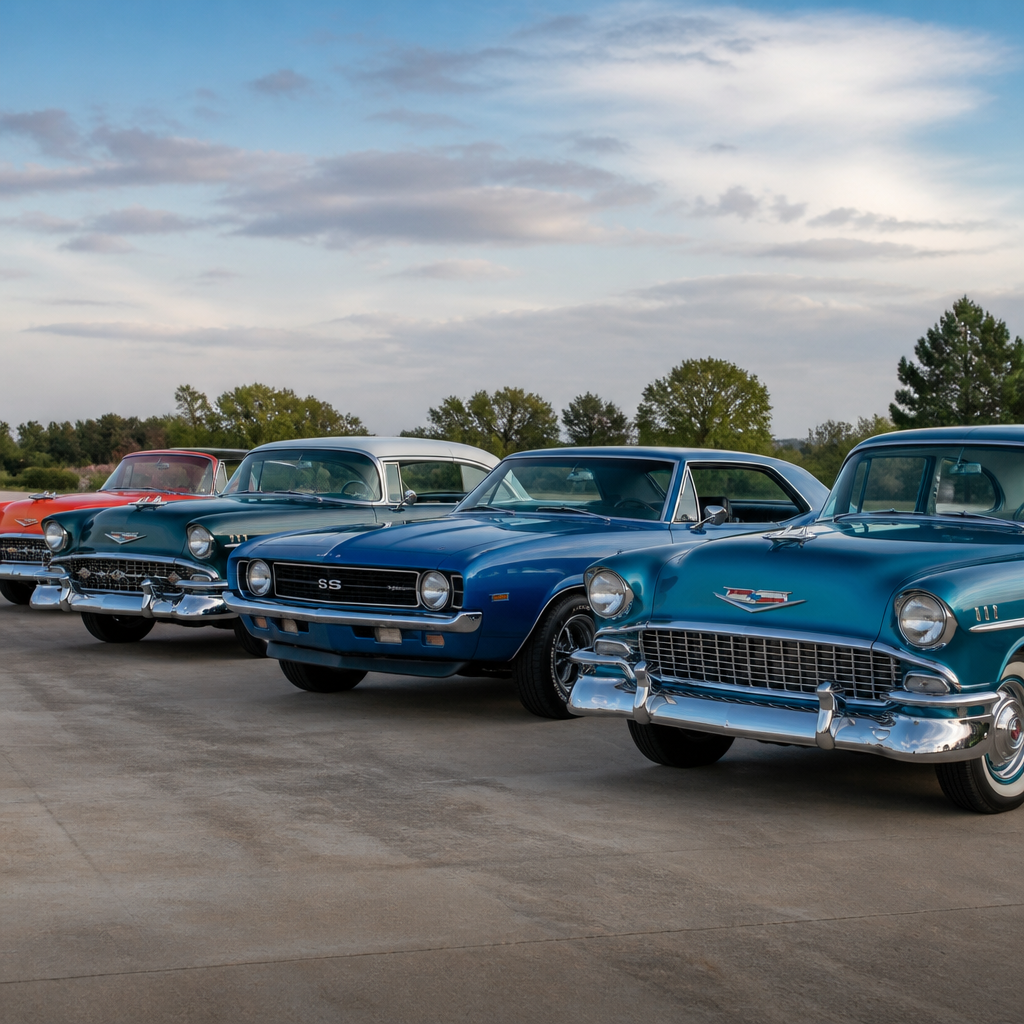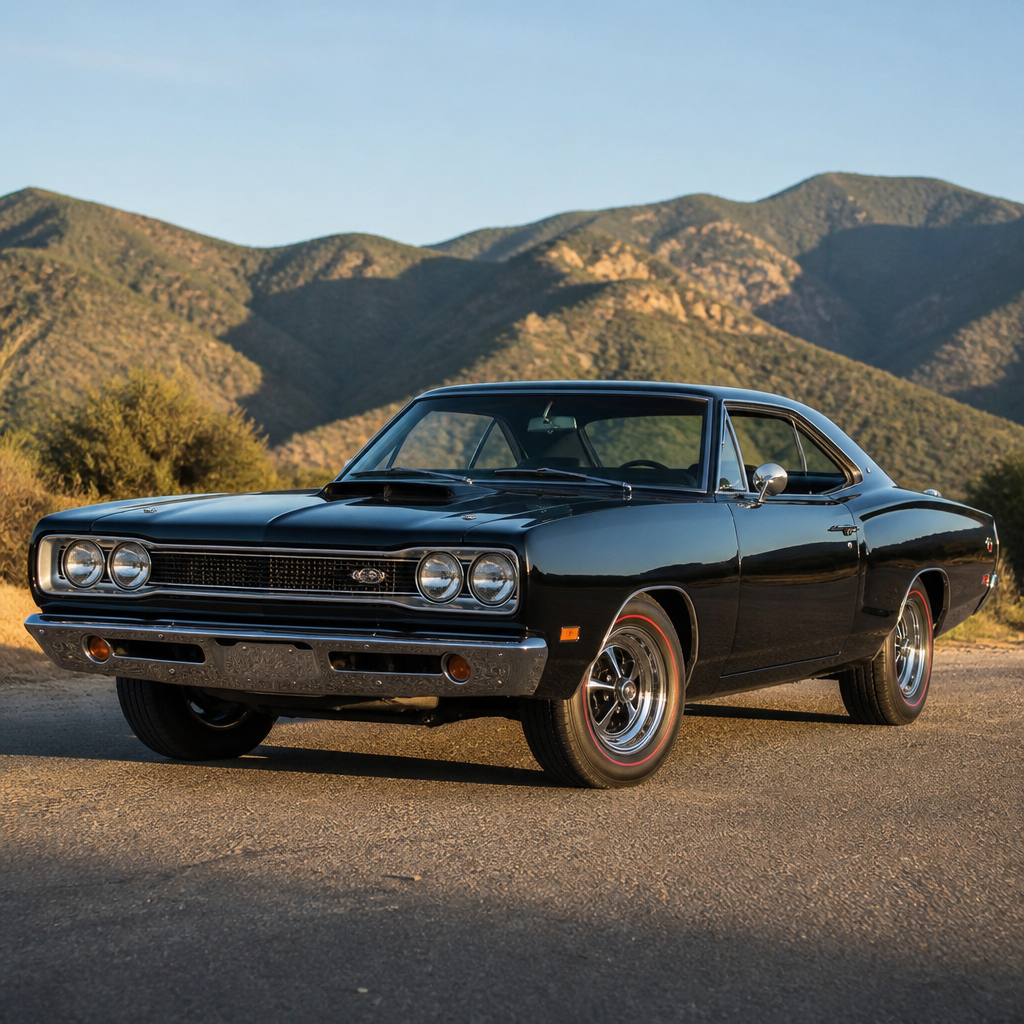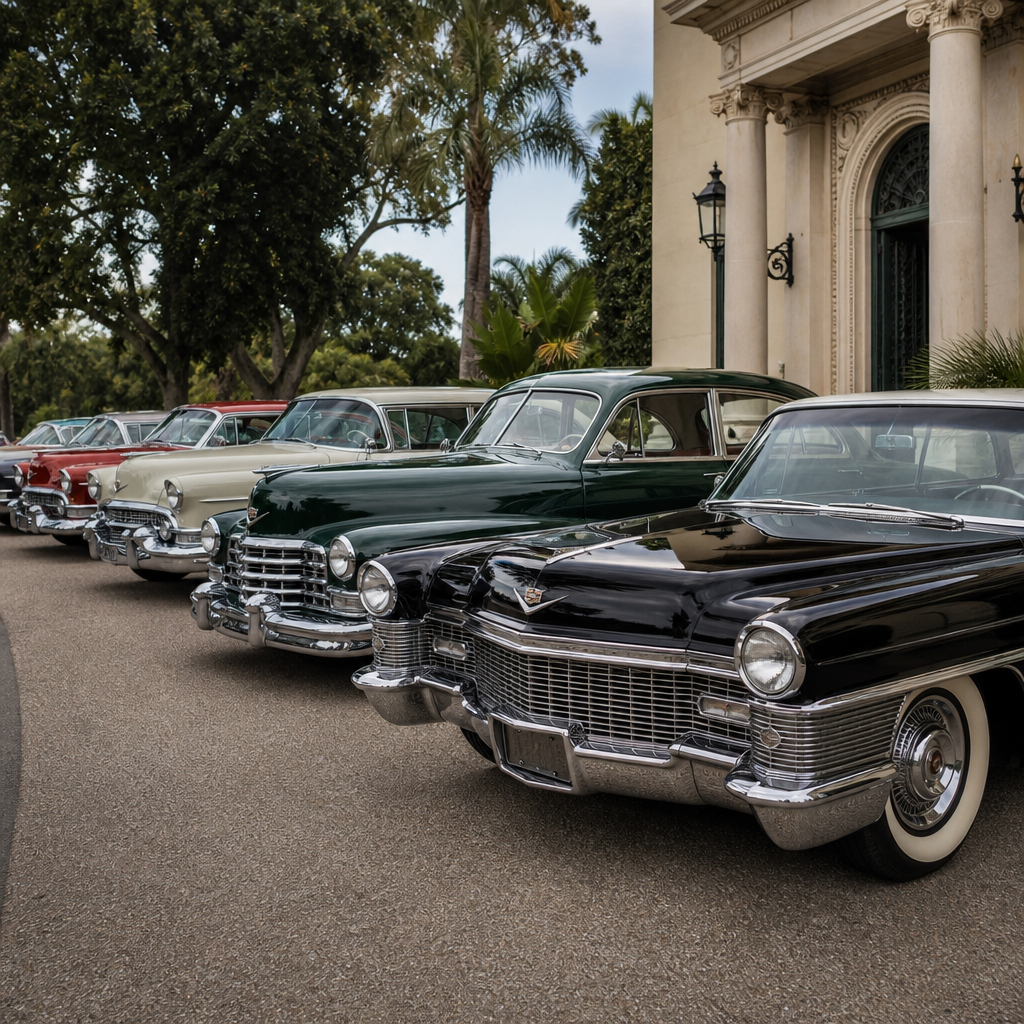
Buick classic cars occupy a distinctive place in American automotive history because they blend dignified styling, strong engineering, and approachable performance in a way few brands matched across as many decades. In the broad world of American classics, Buick sits between mass-market transportation and pure luxury, offering cars that were aspirational without being unreachable and powerful without always demanding the premium image of Cadillac. When enthusiasts talk about classic Buicks, they usually mean vehicles built from the 1930s through the early 1970s, although later models such as the Grand National have also earned collector status. For this hub on American classics, Buick matters because the brand tells a larger story about U.S. car culture: postwar prosperity, V8 innovation, dramatic styling, and the rise of personal performance cars.
Three terms define the Buick classic car conversation. First, “numbers matching” refers to a car retaining its original engine, transmission, and major components as delivered from the factory, which generally improves value. Second, “trim level” describes the hierarchy within a model line, such as Special, LeSabre, Wildcat, Electra, Riviera, or Skylark, each with different equipment, engines, and prestige. Third, “restomod” means a restored car updated with modern brakes, suspension, ignition, or drivability parts, often making ownership easier while reducing originality. I have inspected Buicks at auctions, judged them at local shows, and driven restored examples long enough to know that these distinctions shape price, usability, and buyer expectations more than paint color alone.
Buick classic cars matter to collectors today for practical reasons as much as emotional ones. They often deliver better comfort, more distinctive design, and stronger parts support than people expect, especially for 1950s and 1960s full-size models. They also provide entry points at several budgets. A concours 1970 GSX Stage 1 is an elite collector vehicle, but a solid 1955 Special, 1964 LeSabre, or 1968 Electra can still offer rewarding ownership without the six-figure price tag attached to some other American badges. As a hub within classic car models and brands, this article covers Buick’s major eras, landmark models, engine heritage, buying guidance, restoration realities, and how Buick compares within the larger American classics landscape.
Why Buick Became a Defining American Classic Brand
Buick earned its status by consistently occupying the sweet spot of the General Motors ladder. Chevrolet served the broadest market, Pontiac leaned youthful and sporty, Oldsmobile emphasized technology, Buick balanced premium comfort and performance, and Cadillac represented top luxury. That middle-premium position gave Buick unusual flexibility. The brand could build conservative sedans for successful professionals, glamorous coupes for style-conscious buyers, and genuine muscle cars without confusing its identity. In practice, that meant a Buick owner could expect better materials, quieter road manners, and a more substantial feel than lower-priced rivals, while still benefiting from the enormous engineering and dealer network of GM.
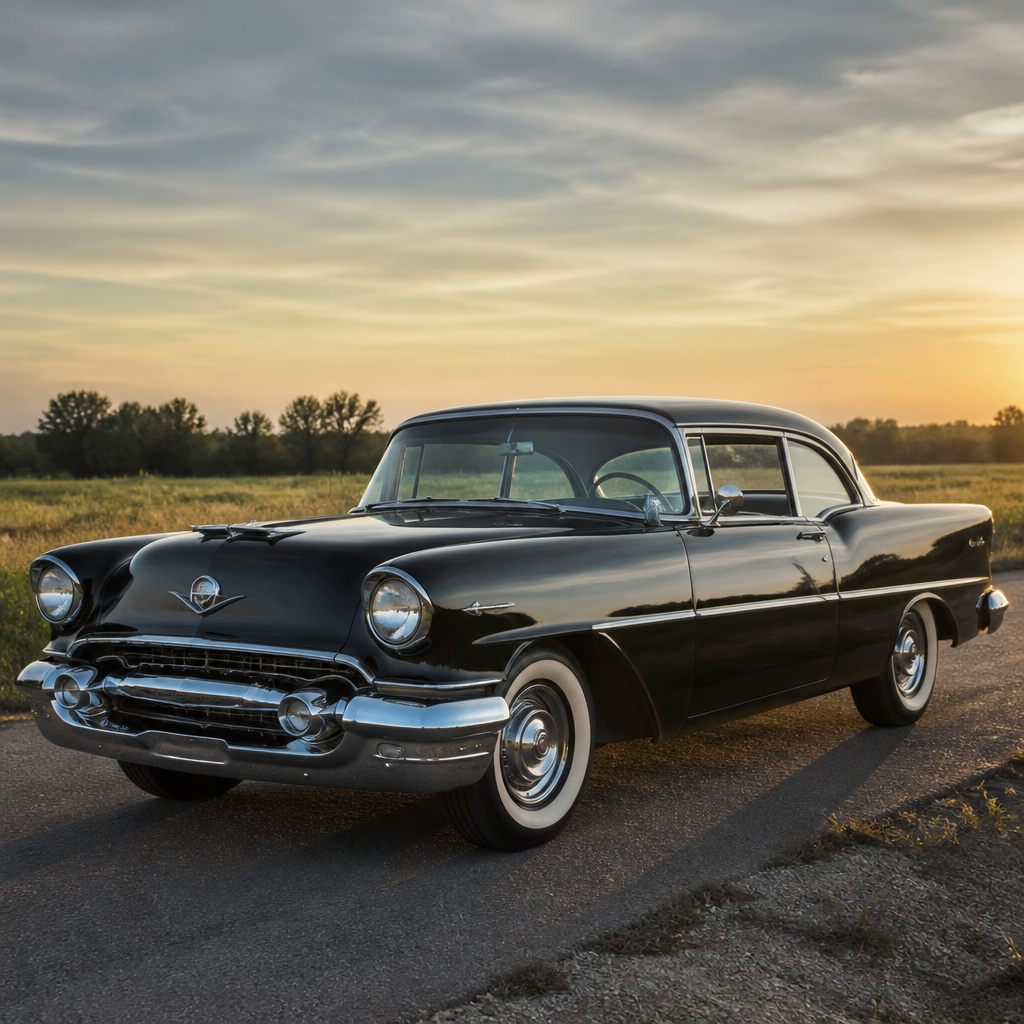
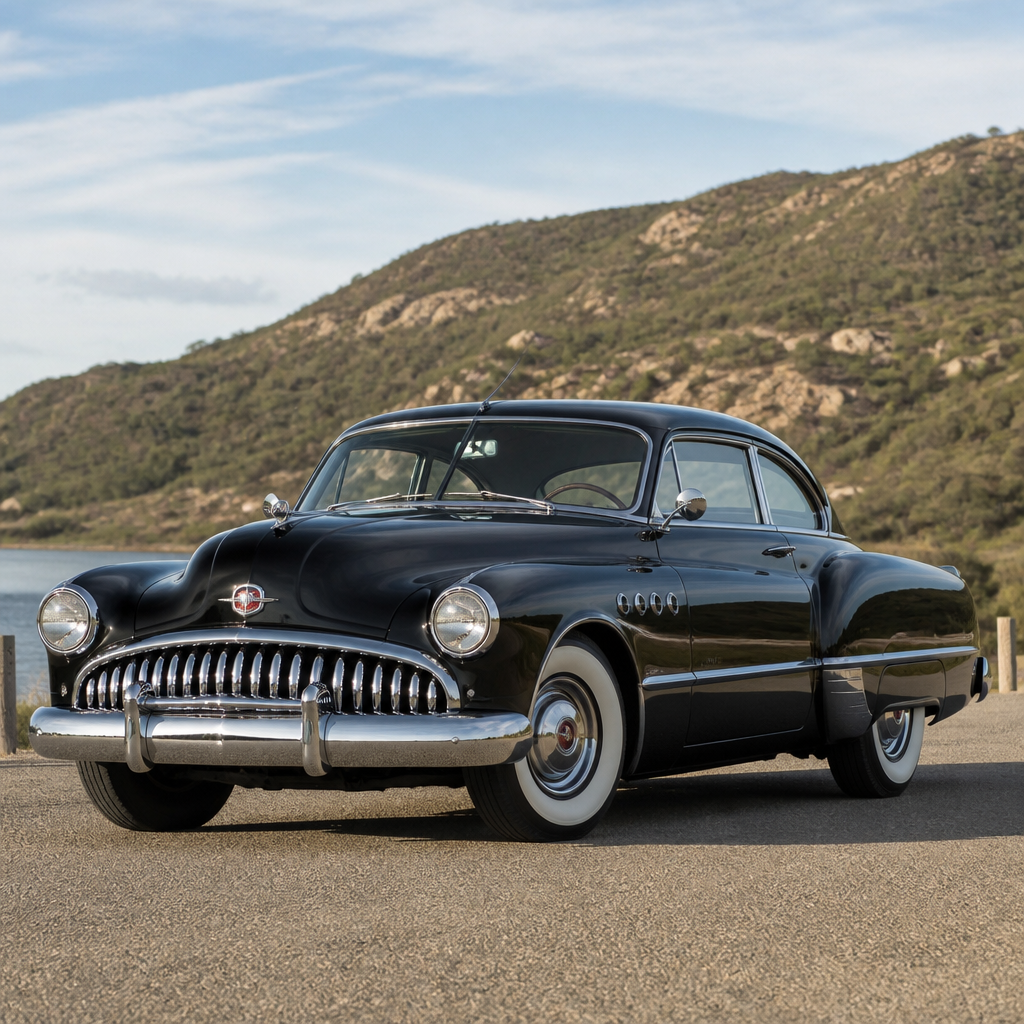
The brand’s early reputation was rooted in mechanical seriousness. Before World War II, Buick built durable straight-eight powered cars and developed a following for smoothness and prestige. Postwar America transformed the brand. By the 1950s, Buick embraced chrome-heavy styling, panoramic windshields, portholes called VentiPorts, and broad grilles that made the cars instantly recognizable. Sales surged as middle-class buyers sought symbols of success. In the 1960s, Buick refined this formula further with cleaner body lines, more powerful V8s, and upscale interiors. The result was a lineup that felt distinctly American: spacious, confident, and engineered for long-distance travel at highway speeds.
Buick’s classic appeal also comes from a detail many newer collectors overlook: the cars were designed to be driven, not merely admired. Compared with some period rivals, many Buicks offer excellent visibility, forgiving steering, comfortable seating, and robust torque. That makes them practical weekend classics. A well-sorted Riviera or Electra still feels composed on modern roads, and even large 1950s models can cruise comfortably when maintained properly. This drivability helps explain why Buick remains relevant within American classics rather than existing only as a niche collector brand.
Key Buick Eras and the Models That Define Them
If you want to understand Buick classic cars quickly, focus on four eras. The first is the prewar and immediate postwar period, anchored by Roadmaster, Super, and Special models. These cars established Buick as a premium American nameplate, with elegant proportions and strong straight-eight engines. The second is the flamboyant 1950s, when Buick became one of the most visually expressive brands in Detroit. Models such as the 1953 Skylark, created for GM’s fiftieth anniversary, and the 1958 Limited represent the decade’s mix of optimism, ornamentation, and increasing power.
The third era is the 1960s, widely considered Buick’s golden age. During these years, the Riviera emerged as one of the best-designed personal luxury coupes ever built, the Skylark and Gran Sport lines gave Buick muscle credibility, and full-size LeSabre, Wildcat, and Electra models delivered space and refinement in equal measure. The 1963 Riviera in particular deserves hub-level attention because it acts as a bridge between American excess and modern restraint. Its crisp Bill Mitchell-era styling, hidden headlights on later versions, and sophisticated cabin made it a design benchmark that still attracts collectors who might not normally shop big American coupes.
The fourth era is the late 1960s to early 1970s performance peak. This period produced the GS 400, GS 455, and the highly collectible 1970 GSX. Buick engines were often underrated by factory figures, and the big 455 V8 became famous for massive low-end torque. In real road use, that meant a Buick muscle car felt brutally strong from a stoplight without requiring high revs. That character distinguished Buick from some high-winding competitors and gave the brand a refined but serious performance image. For many collectors, these years represent the ideal meeting point of Buick style and performance.
Buick Engines, Performance, and Engineering Character
Performance is central to Buick’s classic identity, but Buick performance was never only about quarter-mile times. The brand built engines with strong torque curves, smooth power delivery, and durability. The Nailhead V8, produced from the 1950s into the mid-1960s, is the best example. Known technically for its small-diameter valves and near-vertical arrangement, the Nailhead developed a reputation for compact external dimensions and substantial torque. It was not designed as a high-rpm screamer. Instead, it delivered the kind of effortless acceleration that suited heavy coupes, convertibles, and highway cruising.
By the late 1960s, Buick’s 400 and 430 engines reinforced the brand’s performance credibility, and the 455 made that reputation permanent. Factory horsepower ratings from the era can be misleading because gross ratings overstated output compared with modern net figures, but torque numbers tell the story. The Stage 1 455 was respected because it delivered immense midrange thrust. Owners and testers consistently praised how quickly these cars moved despite their size. In my experience, the mechanical character of a strong Buick V8 is different from many rivals: less frantic, more muscular, and deceptively fast because the power arrives with such little drama.
Buick engineering strengths extended beyond engines. Many models used well-insulated cabins, sturdy chassis tuning, and automatic transmissions calibrated for smoothness without feeling lethargic. Buick was also willing to innovate. The Riviera’s design and packaging showed careful attention to proportions, while later turbocharged Buicks would prove the brand could adapt performance thinking to new emissions-era realities. For collectors evaluating American classics, Buick offers a persuasive mix of power and civility. That combination is why a good Buick feels special not only at a show field but also on a two-lane road or an interstate cruise.
Most Important Buick Classic Cars for Collectors
Not every old Buick carries equal collector interest, so a hub page should identify the most significant models clearly. The cars below represent the core of Buick’s American classics story, from prestige cruisers to true muscle machines.
| Model | Era | Why It Matters | Collector Notes |
|---|---|---|---|
| 1953 Skylark | 1950s | Limited-production halo convertible with distinctive styling | Highly valuable; authenticity and trim correctness are critical |
| 1955 Roadmaster | 1950s | Classic chrome-era Buick with strong V8 presence | Popular show car; rust and trim costs can be significant |
| 1963–1965 Riviera | 1960s | Landmark personal luxury coupe with timeless design | Best blend of style, drivability, and market recognition |
| 1965 Skylark Gran Sport | 1960s | Early Buick muscle car with understated performance image | Verify GS documentation; clones exist |
| 1968–1970 GS 400/GS 455 | Muscle era | Strong torque, clean styling, real street performance | Values rising; original drivetrains matter |
| 1970 GSX Stage 1 | Muscle era | Ultimate factory Buick muscle car | Blue-chip collectible with premium pricing |
| 1960s Electra 225 | 1960s | Full-size luxury cruiser with comfort and presence | Often affordable; ideal for touring and events |
For first-time collectors, the best value often lies outside the headline cars. A Riviera remains easier to park, store, and enjoy than some giant 1950s sedans, while an Electra 225 can provide exceptional comfort per dollar. Meanwhile, true GS and GSX cars require documentation from sources such as build sheets, protect-o-plates, factory records, and marque experts. Buick’s market has matured enough that originality claims should always be verified. In the American classics category, knowledge separates a good purchase from an expensive correction project.
Buying, Restoring, and Owning a Classic Buick Today
Buying a Buick classic car starts with honesty about how you will use it. If you want weekend drives and local shows, prioritize structural condition, completeness, and mechanical health over perfect cosmetics. If you want investment-grade quality, originality and documentation move to the top of the list. Rust remains the biggest hidden cost on many Buicks, especially in floor pans, trunk pans, lower fenders, quarter panels, and body mounts. Chrome and stainless trim can also be expensive to restore, particularly on 1950s models with large, complex pieces. I routinely advise buyers to spend more on the best body they can afford because drivetrain work is usually easier than major metal reconstruction.
Parts support is generally better than newcomers expect, though it varies sharply by model. Riviera, Skylark, and GS cars enjoy strong aftermarket and club support. Full-size sedans may require more patience when sourcing trim, interior fabrics, and model-specific hardware. The Buick Club of America, marque forums, swap meets, and restoration specialists remain essential resources. For valuation and market context, collectors commonly consult Hagerty Price Guide, Hemmings listings, Mecum and Barrett-Jackson auction results, and factory literature. These sources help establish whether a car is authentically rare or simply uncommon because few people preserved it.
Ownership costs depend on expectations. A well-maintained Buick can be surprisingly usable, but old cars demand routine attention to fuel systems, cooling, brake hydraulics, bushings, ignition components, and electrical grounds. Sensible upgrades such as radial tires, dual-circuit master cylinders, electronic ignition conversions, and improved cooling can make a driver-grade car safer and more enjoyable without ruining its character. Purists may prefer factory specifications, and that is valid, especially for rare models. The right choice depends on whether the car is a museum piece, a judged restoration, or a road-going classic meant to be driven regularly.
How Buick Fits Within the Wider American Classics Landscape
As a hub for American classics, Buick is best understood in comparison with its domestic peers. Chevrolet usually wins on affordability and massive aftermarket support. Cadillac often dominates pure luxury and prestige. Pontiac and Dodge attract buyers focused on aggressive performance branding. Mercury and Oldsmobile offer compelling alternatives with their own loyal audiences. Buick’s unique advantage is balance. Few American classic brands combine graceful design, real torque, comfort, and relative market accessibility as consistently as Buick. That balance makes the brand especially attractive to collectors who want substance rather than just nostalgia.
Buick also serves as a practical gateway into the broader study of classic car models and brands. A collector who starts with a Riviera will naturally become interested in GM design leadership under Bill Mitchell, the rise of the personal luxury segment, and the engineering differences among Buick, Oldsmobile, and Pontiac V8s. A buyer shopping a GS 455 will end up comparing muscle-era insurance trends, federal emissions changes, axle ratios, carburetion, and factory option codes. In other words, Buick rewards deeper learning. The brand opens doors into the entire American classics ecosystem while remaining distinctive on its own terms.
The key takeaway is simple: Buick classic cars deliver exactly what the best American classics should deliver, style that still turns heads and performance that still feels honest and mechanical. From chrome-rich 1950s Roadmasters to sculpted Rivieras and torque-heavy GS models, Buick built cars with identity, capability, and lasting collector appeal. Choose the right model, verify originality carefully, buy the best condition you can afford, and use clubs and documentation to guide decisions. If you are building knowledge in classic car models and brands, Buick deserves a central place on your list. Explore the major models, compare eras, and start with the Buick that matches how you want to drive and collect.
Frequently Asked Questions
What makes Buick classic cars different from other American classics?
Buick classic cars stand out because they consistently occupied a unique middle ground in the American market. For much of the 20th century, Buick offered more refinement, stronger engineering, and more upscale styling than many mainstream brands, yet it remained more approachable and less formal than top-tier luxury marques. That balance gave Buick a distinctive identity: these were cars for buyers who wanted comfort, prestige, and real road presence without stepping fully into the luxury category.
What also separates classic Buicks is the brand’s ability to blend style and performance across multiple eras. From elegant prewar and postwar sedans to dramatic 1950s hardtops, Riviera personal luxury cars, and torque-rich muscle-era models like the GS and Gran Sport, Buick developed a reputation for building cars that looked substantial and drove with confidence. Many enthusiasts appreciate that Buick performance often came in a more understated package than some of its competitors. Instead of relying only on aggressive image, Buick frequently paired big power with smoothness, durability, and a dignified character that appealed to a broad range of drivers.
In practical terms, classic Buicks are often admired for their strong V8 engines, comfortable ride quality, distinctive styling cues, and historical importance within General Motors. They were aspirational cars for many American families, and that heritage still matters today. For collectors, Buick’s appeal lies in the way the brand delivered prestige, engineering credibility, and usable performance in one cohesive package.
Which Buick classic cars are considered the most collectible?
Several Buick models have earned especially strong collector interest, though the most desirable examples often depend on the era and the type of enthusiast. Among the most collectible are the Buick Riviera models, particularly first-generation cars introduced for 1963. Those Rivieras are widely praised for their crisp styling, luxurious interiors, and strong performance, making them a favorite among both design-focused collectors and drivers who want a classic that still feels sophisticated on the road.
The Buick GS and Gran Sport models are also highly respected, especially from the late 1960s and early 1970s. Performance-oriented Buicks such as the GS 400, GS 455, and GSX represent the brand at its most muscular. These cars combined Buick’s traditional comfort and solid engineering with serious big-block power, and they remain some of the most sought-after Buick classics today. Because they were produced in lower numbers than some rival muscle cars, top-spec examples can command strong attention in the collector market.
Beyond the obvious performance cars, many enthusiasts also seek out 1950s Roadmasters, Super models, and Skylarks, as well as significant prewar Buicks. Convertibles, limited-production trim levels, factory high-performance packages, and cars with documented originality tend to be particularly desirable. In general, collectibility rises when a Buick combines standout design, mechanical significance, rarity, and strong historical documentation. A well-preserved or correctly restored example from any of these categories can be an important piece of American automotive history.
Are Buick classic cars known more for style or for performance?
One of the reasons Buick classic cars remain so appealing is that they are not easily limited to just one category. Buick built its reputation on combining dignified, often elegant styling with performance that was smooth, confident, and genuinely capable. In some decades, especially the 1950s and early 1960s, Buick’s visual identity was a major selling point. Features such as sweeping body lines, carefully detailed chrome, upscale interiors, and distinctive grilles helped make many Buick models instantly recognizable. These cars projected success and sophistication without looking overly flashy.
At the same time, performance has always been an important part of the Buick story. Even before the peak muscle-car years, Buick was known for strong engines and robust drivetrains. By the late 1960s and early 1970s, that engineering confidence became especially visible in the Gran Sport lineup, where Buick offered serious horsepower and, perhaps even more importantly, substantial torque. Many enthusiasts point out that Buick performance was often less about high-rev drama and more about effortless acceleration and real-world drivability. That characteristic gave the cars a refined kind of speed that fit the brand perfectly.
So the most accurate answer is that Buick classics are known for the combination. The best Buick models deliver visual presence, comfort, and power together. That is what makes the brand distinctive in the classic car world: Buick did not force buyers to choose between style and substance. It offered both, often in the same car, and that balance remains central to its reputation today.
What should you look for before buying a classic Buick?
Before buying a classic Buick, it is important to start with the fundamentals: body condition, originality, documentation, and mechanical health. Rust should be one of the first concerns, especially in floor pans, trunk areas, lower body panels, wheel arches, and frame sections where applicable. Cosmetic issues can be expensive enough, but structural corrosion can quickly turn a seemingly affordable project into a major financial commitment. A careful inspection, ideally with a knowledgeable specialist, is one of the smartest steps a buyer can take.
Next, evaluate how complete and correct the car is. Matching numbers, original drivetrains, factory trim, correct badging, and period-appropriate interior materials can strongly affect both value and long-term satisfaction. Some buyers are perfectly happy with modified cars, but even then it helps to know exactly what has been changed and how well the work was done. Documentation such as build sheets, ownership history, restoration receipts, service records, and factory paperwork can add confidence and help verify the car’s authenticity.
Mechanical condition matters just as much as appearance. Buick engines are respected for their strength, but age affects every component in a classic car. Check the engine, transmission, cooling system, brakes, suspension, steering, and electrical systems carefully. A car that runs well during a short test drive may still need extensive work if it has been sitting for a long period. Buyers should also research parts availability for the specific model they want, since support can vary between popular cars like Rivieras and GS models and more obscure full-size or low-production Buicks. The best purchase is usually the most complete, well-documented car you can afford rather than the cheapest one available.
Why do enthusiasts still admire Buick classic cars today?
Enthusiasts continue to admire Buick classic cars because they represent an unusually satisfying blend of heritage, design, comfort, and usable power. In the larger American classic scene, Buick offers something distinct. These cars often have the presence and quality associated with premium brands, but they also feel accessible and driver-friendly. That makes them appealing not only to seasoned collectors but also to newcomers who want a classic car with character, history, and real road manners.
There is also an emotional dimension to Buick’s appeal. For many people, classic Buicks are tied to family memories, American craftsmanship, and a period when automobiles had more visual individuality from year to year. A 1950s Buick hardtop, a Riviera from the 1960s, or a GS from the muscle-car era each reflects a different chapter of American culture and design. Buick’s ability to evolve while maintaining a recognizable identity gives the brand unusual depth in the collector world.
Finally, Buick classics remain admired because they reward both looking and driving. They tend to offer generous interiors, substantial road feel, and a sense of solidity that many modern vehicles do not replicate. Whether someone values elegant styling, torque-rich V8 performance, or the brand’s historical role between mainstream and luxury segments, there is usually a classic Buick that fits that interest. That broad and enduring appeal is exactly why Buick continues to hold a respected place in American automotive history.