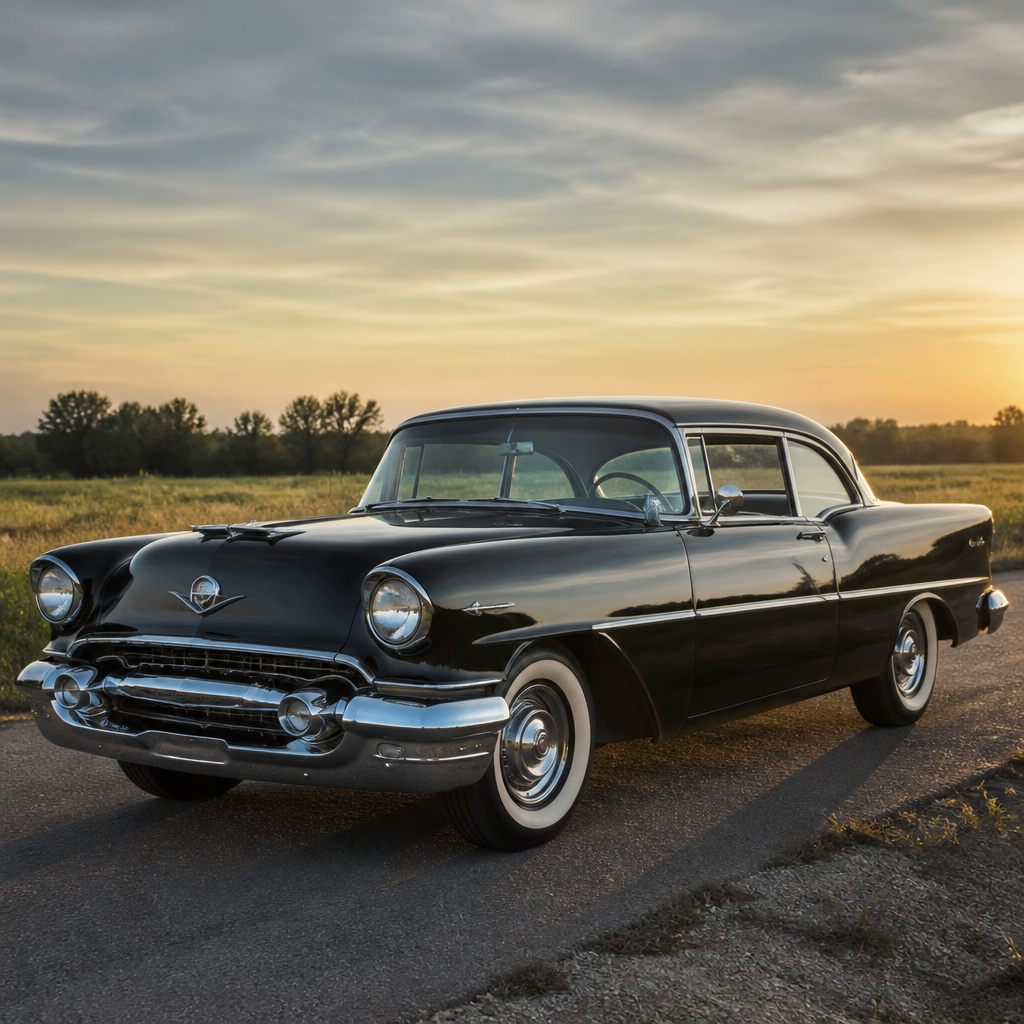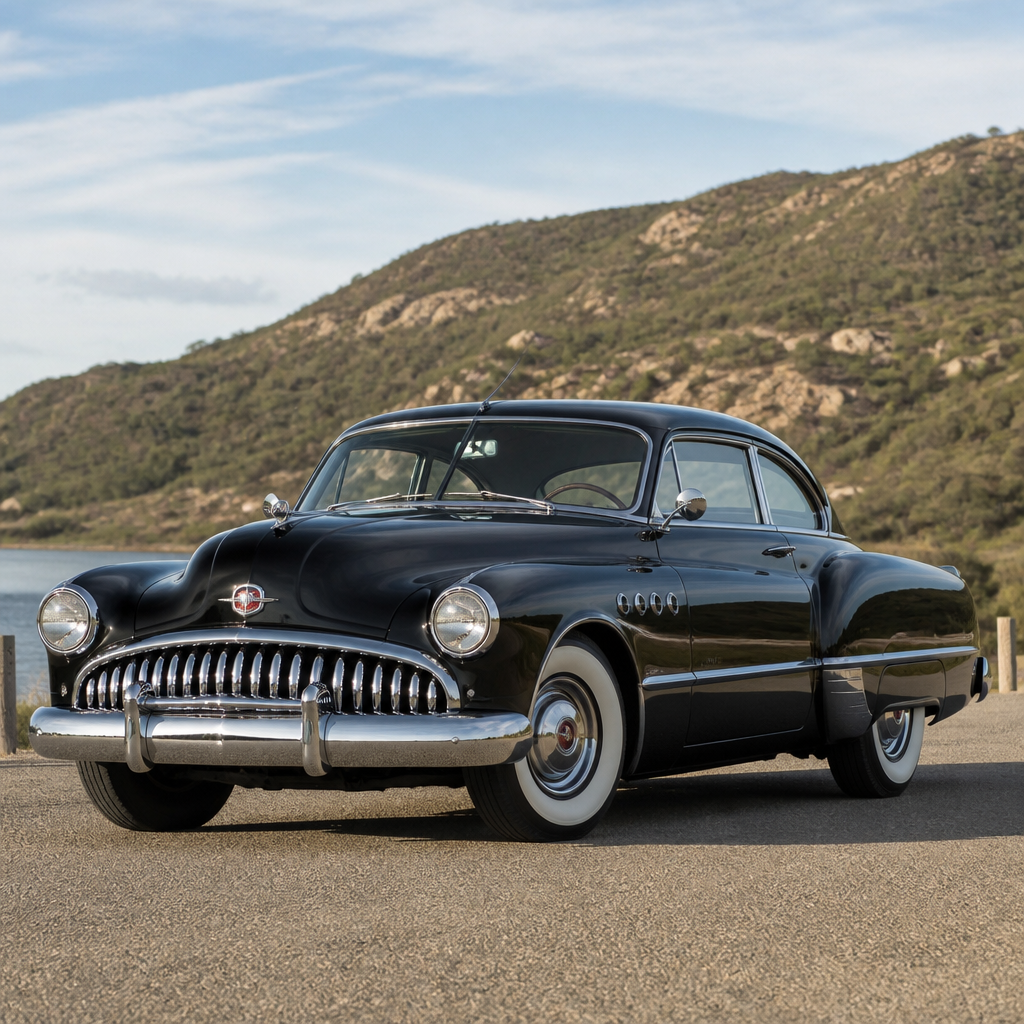
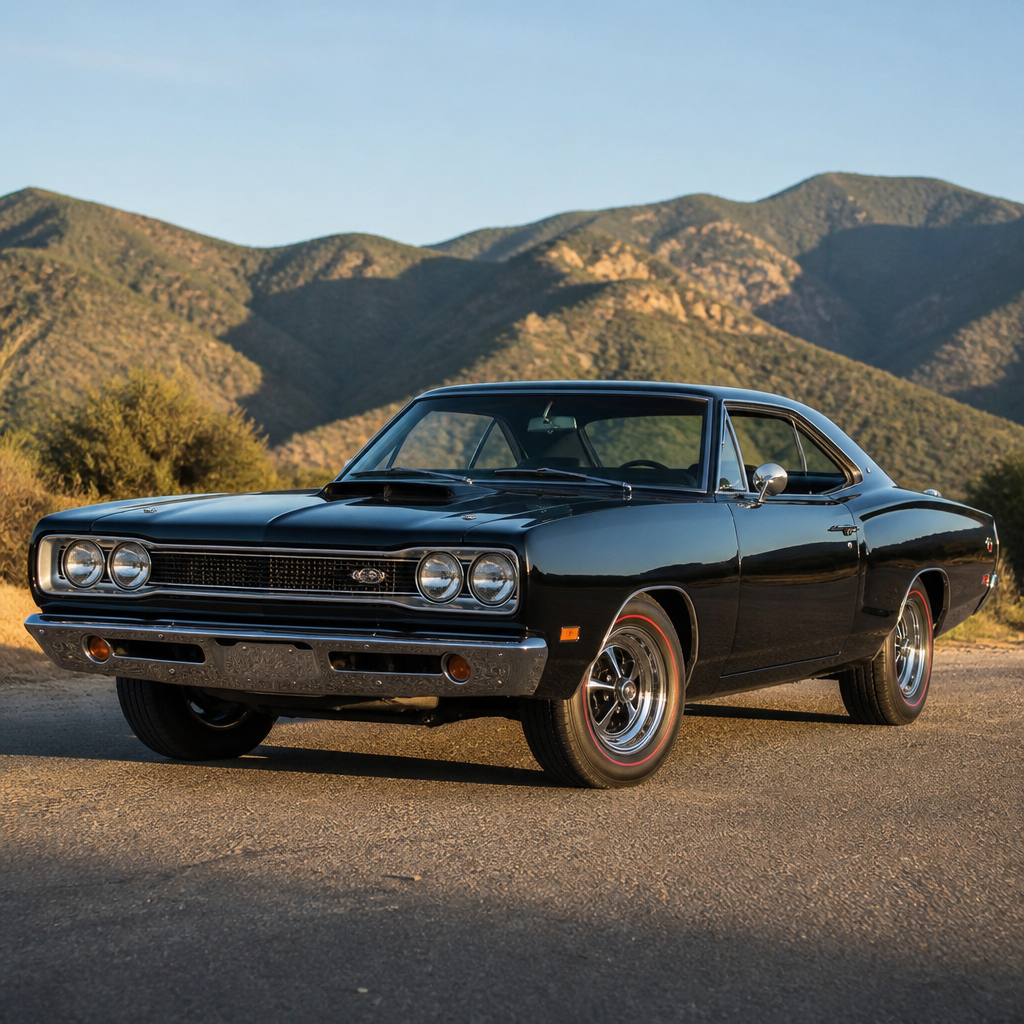
Dodge classic cars occupy a special place in American automotive history because they combine bold styling, accessible performance, and a motorsports spirit that shaped the muscle car era. Within the broader landscape of American classics, Dodge stands out for building cars that were not merely transportation, but statements of attitude, engineering intent, and cultural identity. When enthusiasts talk about Dodge classic cars, they usually mean the high-impact models produced from the 1950s through the early 1970s, though the brand’s heritage reaches back much further through touring cars, work vehicles, luxury offerings, and postwar innovation.
As someone who has spent years researching factory literature, decoding fender tags, walking swap meets, and evaluating survivor cars beside restored examples, I have seen how Dodge earned its following. The appeal is not just horsepower. It is the combination of durable big-block engines, advanced race-bred packages, dramatic “Coke bottle” body lines, and a parts ecosystem that still supports restoration today. For collectors, historians, and first-time buyers, understanding Dodge helps explain the larger story of American classics: how Detroit responded to youth culture, rising freeway speeds, NHRA competition, insurance pressure, and federal safety and emissions rules.
This hub article covers Dodge’s classic legacy within American classics comprehensively, from early foundations to the peak muscle years, key models, engines, design cues, and what buyers should know now. It also serves as a practical guide to the subtopic. If you are exploring classic Mopar performance, comparing Dodge with Ford and Chevrolet rivals, or deciding whether a Charger, Challenger, Dart, Coronet, or Super Bee fits your goals, this overview gives you the terminology and context you need. In simple terms, Dodge matters because it built some of the most memorable and fastest American classics ever sold to the public.
How Dodge Became a Pillar of American Classics
Dodge began as the Dodge Brothers company in the early twentieth century, initially supplying components before producing complete automobiles. By the 1910s and 1920s, Dodge had established a reputation for rugged engineering and practical reliability. That early credibility mattered later, because the brand entered the postwar era with a strong identity rooted in sturdiness rather than luxury alone. After becoming part of Chrysler, Dodge benefited from corporate engineering resources, shared platforms, and a broad dealer network, allowing it to compete in family, fleet, and performance segments simultaneously.
The real foundation of Dodge’s classic reputation formed in the 1950s and 1960s. Virgil Exner’s “Forward Look” styling gave Chrysler products lower, longer, more dramatic proportions, helping Dodge move beyond conservative design. At the same time, V8 development accelerated across Detroit. Dodge adopted increasingly powerful engines, improved automatic transmissions such as the TorqueFlite, and performance-oriented suspensions. By the early 1960s, the brand was positioned to take advantage of the horsepower race that defined American classics. Dealers understood that performance sold, and Dodge increasingly marketed speed as part of its core identity.
What makes Dodge especially important in a hub on American classics is its range. The brand produced full-size performance cars, midsize muscle cars, compact street machines, and later pony cars. It was never just one nameplate. A buyer could step into a Dart, Coronet, Charger, Challenger, or Super Bee and get a different expression of the same idea: strong engines in straightforward, rear-wheel-drive platforms. That flexibility mirrored the broader American market, where young buyers, racers, families, and returning veterans all wanted style and power at different price points.
The Muscle Car Formula: Engines, Platforms, and Performance
Dodge classic cars are inseparable from Chrysler’s engine families. The small-block 340 became legendary for high-revving street performance, while the B and RB big-block engines powered the brand’s most feared machines. The 383 delivered broad torque and practical street manners. The 440, especially in Magnum and Six Pack form, became a benchmark for serious acceleration. Above all stood the 426 Hemi, an engine whose hemispherical combustion chambers, large valves, and racing pedigree made it one of the defining powerplants of the muscle car era. Factory horsepower ratings varied by year, but the Hemi’s reputation consistently exceeded the printed numbers.
These engines worked because Dodge paired them with platforms that could use the power effectively. The B-body architecture underpinned cars like the Coronet, Super Bee, and Charger, balancing size, weight, and packaging in a way that suited drag racing and street use. The E-body platform, shared with Plymouth, gave Dodge the Challenger, a late but compelling answer to the pony car market. Compact A-body cars, including some Dart variants, delivered an especially potent formula because relatively light curb weight amplified the impact of the 340 and 383.
Transmission and axle choices mattered just as much as engine badges. Serious buyers often wanted the A833 four-speed manual, while many drag racers respected the durability and consistency of the TorqueFlite automatic. Rear axle ratios transformed a car’s character. A 3.23 or 3.55 geared car could feel relaxed on the highway, while steeper gears sharpened quarter-mile performance at the cost of cruising comfort. In practical terms, Dodge’s performance recipe was simple but effective: strong engines, robust drivetrains, rear-wheel drive, and bodies styled to look as fast as they felt.
Iconic Dodge Classic Cars Every Enthusiast Should Know
No Dodge classic car discussion starts anywhere but the Charger. Introduced for 1966 and radically restyled for 1968, the Charger became one of the most recognizable American classics ever made. The 1968–1970 cars, with hidden headlights, flying buttress rooflines, and full-width taillamps, captured the era perfectly. A 1969 Charger R/T with a 440 Magnum offered effortless high-speed performance, while Hemi-equipped versions became instant blue-chip collectibles. The Charger’s film and television visibility later amplified its market presence, but its design and engineering established the legend first.
The Challenger arrived for 1970 as Dodge’s entry into the pony car segment. Wider and slightly more upscale in feel than some rivals, it offered an unusually broad menu of engines and trim levels, from practical six-cylinder cars to 340, 383, 440, and Hemi variants. The Challenger R/T remains the signature performance model, yet even the T/A deserves equal respect because it was created for Trans Am homologation and featured a 340 Six Pack, side-exit exhaust, and specific suspension tuning. For many collectors, the Challenger combines muscle car aggression with a more personal, driver-focused layout.
The Coronet and Super Bee are equally important within this hub because they show how Dodge served multiple buyers with shared underpinnings. Coronets ranged from family sedans to serious performance coupes, making them a perfect window into how mainstream American cars evolved into muscle machines. The Super Bee, launched for 1968, was Dodge’s budget-minded performance answer to Plymouth’s Road Runner. It stripped away unnecessary frills and focused on value per horsepower, often delivering the same thrilling engine options as more expensive models. That practical speed-first philosophy remains central to Dodge’s image.
The Dart deserves special emphasis because it demonstrates how compact dimensions could produce exceptional results. While early Darts were ordinary transportation, later performance versions changed the model’s place in history. The 1968–1969 Dart GTS with a 340 or optional 383 became a street terror. Then came the 1970–1971 Demon 340 and high-impact appearance packages that embraced youth-market styling. For enthusiasts who actually drive their classics, A-body Dodges can be more approachable than larger B-body cars, with lower acquisition costs, easier storage, and lively dynamics that reward back-road use as much as dragstrip launches.
Signature Models and What They Offer Collectors
| Model | Best-Known Years | Typical Performance Appeal | Collector Notes |
|---|---|---|---|
| Charger | 1968–1970 | 440 Magnum, 426 Hemi, strong B-body presence | Top-tier demand, broad parts support, values vary sharply by engine and documentation |
| Challenger | 1970–1971 | Wide engine range, R/T and T/A performance focus | Highly collectible, E-body parts can be costly, originality matters |
| Super Bee | 1968–1970 | Affordable muscle formula with 383, 440, Hemi options | Strong value relative to flagship models, watch for cloned cars |
| Dart | 1968–1972 | Light A-body chassis, excellent 340 performance | Good entry point, easier to own, modified examples are common |
| Coronet | 1966–1970 | Versatile platform from family car to R/T muscle | Underrated in the market, strong candidate for informed buyers |
Styling, Branding, and the Dodge Identity
Dodge classic cars did not rely on engine specs alone. Their styling was deliberately assertive, and that visual language is one reason they remain central to American classics. Designers used recessed grilles, loop bumpers, hidden headlights, scalloped body sides, performance hoods, and vivid “High Impact” colors to communicate speed before the engine even started. Names such as Plum Crazy, Go Mango, Sublime, and Panther Pink were more than paint options. They were branding tools aimed at a generation that wanted cars to project personality as strongly as clothing or music.
Trim packages also mattered. R/T, Scat Pack associations, bumblebee stripes, hood pins, rear spoilers, blackout treatments, and functional cold-air induction systems created recognizable visual hierarchies. In the showroom, those cues told buyers where a car sat in the performance ladder. On the street, they created instant identity. I have watched people at local shows walk past objectively rarer cars just to stop at a bright 1970 Challenger with correct graphics and steel wheels, because Dodge’s design language remains emotionally legible even to casual observers.
This coherence helped Dodge bridge different market segments. A practical Coronet sedan and a Charger R/T might share engineering DNA, yet the performance model projected an entirely different purpose through stance and detailing. That was the genius of the era. American classics succeeded when engineering, marketing, and styling reinforced one another, and Dodge often executed that coordination exceptionally well. The result was a lineup that felt unified without becoming repetitive.
Buying, Restoring, and Preserving Dodge Classics Today
For modern buyers, Dodge classic cars offer strong rewards but demand careful inspection. Documentation is essential. Fender tags, broadcast sheets, VIN sequences, engine stampings, and transmission codes help verify whether a car is numbers-matching or a re-creation. Because high-value models such as Hemi Chargers, Six Pack Super Bees, and 440 Six Pack Challengers command large premiums, clones and tribute builds are common. Tribute cars are not inherently bad; many are honest, enjoyable drivers. The problem comes when sellers misrepresent them.
Rust remains the most expensive challenge on many Dodge classics. Common trouble spots include quarter panels, trunk floors, lower fenders, cowl areas, torsion bar crossmembers, frame rails, and vinyl-roof channels. Structural corrosion can quickly exceed the purchase-price difference between a cheap project and a sound car. Mechanically, Chrysler big-blocks are generally durable, but neglected cooling systems, worn bushings, tired drum brakes, and aged fuel systems are routine issues. Upgrades such as electronic ignition, front disc brakes, and better radiator packages can improve drivability without undermining the character of a non-concours car.
Parts support is better than many newcomers expect. Specialist suppliers reproduce sheet metal, weatherstripping, interior trim, wiring, and decals for major models. Still, original date-coded components, correct carburetors, factory exhaust manifolds, and model-specific trim can be expensive or difficult to source. Restoration strategy should match the car. A rare, documented R/T may justify factory-correct finishes and inspection marks, while a small-block Dart driver may be better served by a safety-first refurbishment and tasteful mechanical upgrades. The best ownership outcomes come from clear goals: show judging, weekend cruising, investment, or family enjoyment.
Why Dodge Remains Central to the American Classics Story
Dodge classic cars remain vital because they capture the most compelling elements of American classics in one brand: visual drama, mechanical simplicity, motorsports credibility, and broad enthusiast access. A Charger represents cinematic muscle, a Challenger reflects the pony car peak, a Super Bee proves performance could be affordable, and a Dart shows that compact cars could deliver serious excitement. Together, they form a hub within the American classics world, connecting readers to related topics such as big-block engineering, restoration standards, factory options, and Detroit’s competitive horsepower wars.
The core lesson is simple. If you want to understand American classics, study Dodge closely. Learn the engine families, body platforms, trim hierarchies, and documentation methods. Compare restored cars with survivors. Drive an A-body and a B-body back to back. The differences explain why the brand built such a loyal following. Whether you are starting a collection, planning a restoration, or exploring the wider “Classic Car Models & Brands” category, Dodge offers one of the clearest paths into the heart of American performance history. Use this hub as your starting point, then keep digging into the specific models that speak to you most.
Frequently Asked Questions
What makes Dodge classic cars so important in American automotive history?
Dodge classic cars are important because they represent a powerful blend of performance, personality, and accessibility that helped define the American muscle car era. While many manufacturers built memorable cars in the 1950s, 1960s, and early 1970s, Dodge developed a reputation for producing vehicles that felt bold, aggressive, and unapologetically driver-focused. These were cars built to make an impression, whether they were cruising down Main Street, lining up at a drag strip, or appearing in showroom advertisements that emphasized power and attitude.
Part of Dodge’s significance comes from the way the brand translated racing influence into street machines. Dodge engineers and designers understood that buyers wanted more than practical transportation. They wanted cars with visual drama, strong engines, and a sense of identity. Models such as the Charger, Challenger, Coronet, Super Bee, and Dart became symbols of an era when horsepower mattered and styling helped tell the story. Dodge embraced this environment by offering a wide range of V8-powered combinations, special trims, bold graphics, and high-performance packages that appealed to both serious enthusiasts and everyday drivers.
Another reason Dodge classic cars remain historically important is that they reflect a larger cultural moment in America. They emerged during a time when youth culture, motorsports, and personal freedom strongly influenced the auto industry. Dodge vehicles were not just machines; they were statements of attitude and engineering intent. That is why they continue to occupy such a respected place among American classics and why collectors still view them as central to the muscle car legacy.
Which Dodge models are considered the most iconic classics?
Several Dodge models stand above the rest in terms of recognition, collector demand, and historical influence. The Dodge Charger is easily one of the most iconic. Introduced in the 1960s and evolving through several memorable body styles, the Charger became famous for its fastback profile, muscular stance, and availability with powerful big-block and Hemi engines. It remains one of the most recognizable nameplates in classic American performance.
The Dodge Challenger is another cornerstone of the brand’s legacy. Launched for the 1970 model year, it entered the pony car and muscle car market with a wide range of engine choices and trims, from modest small-block versions to high-performance R/T and Hemi-equipped examples. Its combination of dramatic styling and serious performance made it an instant legend, and it continues to be one of the most sought-after Dodge classics today.
Other standout models include the Coronet and Super Bee, which helped Dodge compete directly in the heart of the muscle market. The Super Bee, in particular, was known for delivering strong performance at a comparatively attainable price, making it a favorite among enthusiasts who wanted speed without paying luxury-level premiums. The Dodge Dart also deserves mention, especially in performance trims such as the GTS and Demon, because it showed that compact Mopar performance could be every bit as exciting as larger intermediates. Depending on the era being discussed, even earlier Dodge performance cars from the 1950s and early 1960s are gaining appreciation for their role in setting the stage for the muscle years.
Why are Dodge classic cars so popular with collectors and enthusiasts today?
Dodge classic cars remain highly popular because they offer a distinctive mix of styling, performance heritage, and cultural presence that few brands can match. Enthusiasts are drawn to the visual language of classic Dodge design: long hoods, wide stances, performance stripes, hood scoops, hidden headlights on some models, and an overall look that communicates strength. These cars feel purposeful, and that design confidence is a major part of their lasting appeal.
Collectors also value Dodge classics because of the variety within the lineup. Some buyers pursue top-tier, numbers-matching Hemi or Six Pack cars because of their rarity and investment potential. Others prefer more affordable small-block or non-original examples that can be restored, driven regularly, or modified. That range makes the hobby more accessible. A person can appreciate Dodge heritage through a concours-level Charger R/T, a driver-quality Dart, or a restomod Challenger built for modern road use.
There is also a strong emotional and cultural component. Dodge muscle cars have been deeply embedded in American car culture through racing, film, television, magazines, and generations of enthusiast storytelling. They carry a reputation for toughness and individuality that resonates with both longtime collectors and younger fans discovering classic cars for the first time. When people buy a Dodge classic, they are often buying into a legacy that includes performance, rebellion, and a very specific American automotive identity.
What should buyers look for when purchasing a classic Dodge muscle car?
Anyone considering a classic Dodge purchase should begin with authenticity, condition, and intended use. First, identify whether the goal is collecting, restoring, investing, or driving. That decision affects everything else. A highly original, numbers-matching Charger or Challenger may appeal to a collector seeking long-term value, while a less original but solid car may be a better option for someone who wants to enjoy regular weekend driving without worrying about preserving factory perfection.
Documentation is critical. Buyers should review VIN information, fender tags, broadcast sheets if available, engine and transmission stampings, ownership history, and restoration records. Because many high-value Dodge models have been cloned or re-created from less valuable originals, verifying that a car is truly what it claims to be is essential. This is especially important for premium variants such as R/T, Super Bee, Hemi, Six Pack, or special-edition cars. Consulting Mopar experts, marque-specific clubs, or professional inspectors can save buyers from expensive mistakes.
Condition matters just as much as authenticity. Rust is one of the most important concerns, particularly in floor pans, trunk floors, quarter panels, frame rails, cowl areas, lower fenders, and other structural points. Mechanical condition should also be carefully evaluated, including the engine, transmission, rear axle, brakes, suspension, steering, and electrical system. Replacement parts are available for many models, but the cost of correcting poor workmanship or major structural damage can quickly exceed the purchase price. In most cases, the best advice is to buy the most complete, correctly documented, and structurally sound car you can afford.
How did Dodge help shape the muscle car era and performance culture?
Dodge helped shape the muscle car era by fully embracing the idea that performance could be both exciting and marketable to a broad audience. The brand understood that horsepower alone was not enough; buyers also wanted image, options, and a connection to racing culture. Dodge responded by producing cars that were visually striking, mechanically serious, and available in configurations that ranged from street-friendly V8 cruisers to genuinely formidable performance machines.
The company’s impact was especially clear in the late 1960s and early 1970s, when the horsepower race among American manufacturers intensified. Dodge competed aggressively by offering big-block engines, Hemi power, performance suspensions, heavy-duty driveline components, and factory-backed packages that gave customers real performance credibility. These cars were not niche experiments. They were part of a broader strategy that linked street performance with drag racing success, dealer marketing, and enthusiast excitement.
Dodge also played a major role in shaping performance culture because its cars projected attitude as much as speed. Names like Charger, Challenger, and Super Bee were memorable, and the styling matched the branding. That combination helped create an identity that extended beyond specifications on paper. Even decades later, the influence remains visible in the way enthusiasts talk about Mopar performance, collect classic Dodge models, and celebrate the brand’s place in the history of American muscle. Dodge did not just participate in the era; it helped define its sound, style, and spirit.