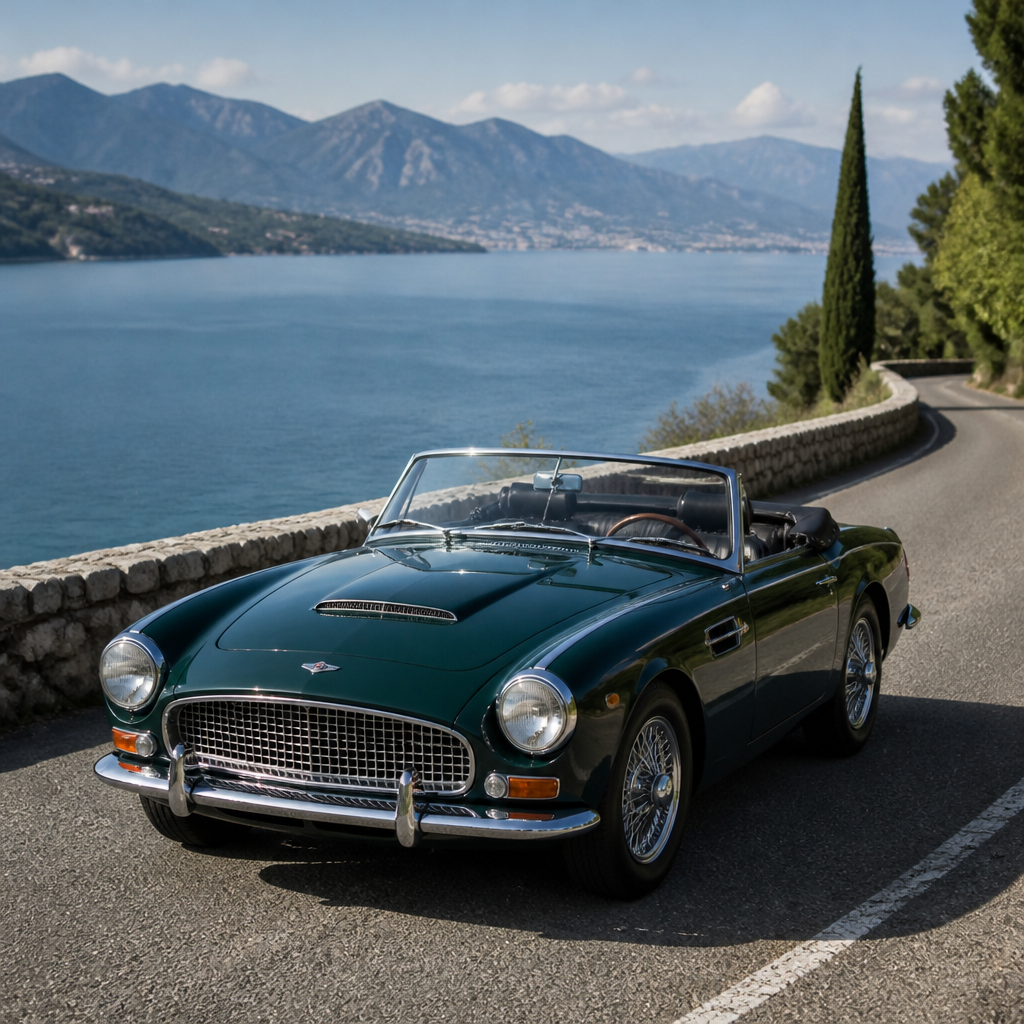
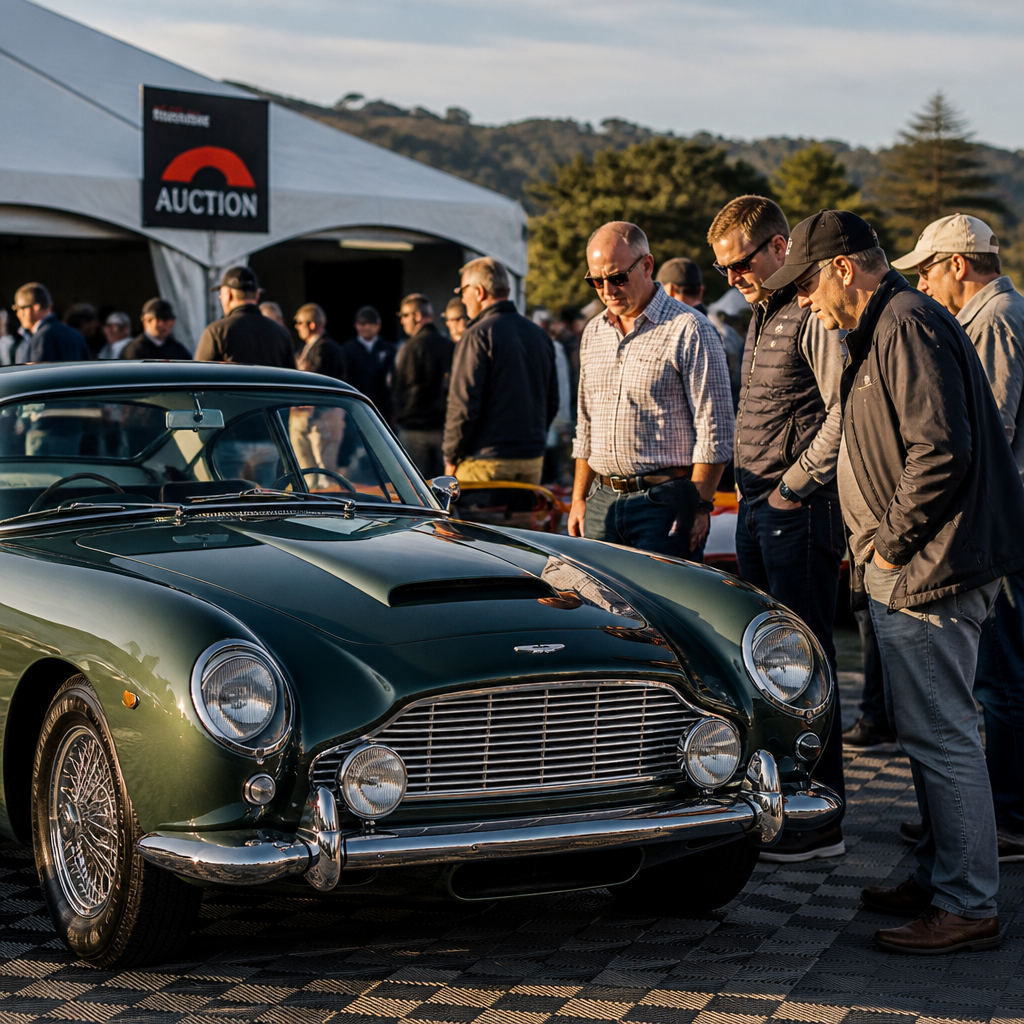
The classic car market is moving through one of its most revealing periods in decades, and anyone following prices, auctions, restoration demand, or collector behavior can see that the old rule of “everything desirable goes up” no longer holds. Classic car market trends now reflect a more mature, segmented marketplace shaped by higher interest rates, shifting demographics, digital auctions, tighter scrutiny of provenance, and a widening gap between top-tier blue-chip cars and ordinary enthusiast models. In practical terms, that means buyers, sellers, and investors need better information than they did during the broad upswing of the 2010s.
When people use the term classic car market, they usually mean the ecosystem of private sales, dealer inventory, auction houses, insurers, appraisers, restoration shops, financing firms, and enthusiast communities that determine value for collectible vehicles. Depending on the registry, “classic” may refer to prewar cars, postwar icons, muscle cars, European sports cars, Japanese collectibles, or even modern classics from the 1980s through early 2000s. Market trends are the measurable patterns inside that ecosystem: price appreciation or decline, sell-through rates, average days on market, restoration costs, insurance valuations, and changes in who is buying what. Those patterns matter because collectible cars sit at the intersection of passion and capital. Owners want enjoyment, but they also want to avoid overpaying, underinsuring, or buying into a category that is losing momentum.
From my experience tracking auction results, appraisals, and private-dealer inventories, the current market rewards selectivity. Cars with exceptional originality, documented histories, limited production, and broad cultural recognition remain resilient. Average examples, over-restored cars with questionable authenticity, and vehicles bought purely on nostalgia without a strong collector base are under more pressure. That shift is healthy. It pushes the market toward quality, transparency, and realistic pricing. It also creates opportunities for disciplined buyers who understand where demand is moving and why.
Why the market feels different right now
The biggest change is that the market is no longer lifting all segments at once. During low-rate years, abundant liquidity helped drive aggressive bidding across muscle cars, European exotics, air-cooled 911s, vintage trucks, and emerging modern collectibles. Today, financing costs are higher, discretionary spending is more selective, and buyers compare each purchase against other uses of capital. As a result, auction houses such as RM Sotheby’s, Gooding Christie’s, Bonhams Cars, and Mecum are still producing headline sales, but sell-through rates and hammer prices vary more sharply by condition, originality, and category.
Another reason the market feels different is information efficiency. Online platforms such as Bring a Trailer and Cars & Bids have made pricing more transparent. Buyers can review past results, scrutinize photos, read public comments, and compare reserve strategies. That visibility has narrowed the gap between informed insiders and the broader enthusiast market. It has also made flaws harder to hide. Paint-meter readings, underbody photos, compression test results, and ownership records now influence bidding in plain view, which reinforces the premium for documented, honest cars.
Demographics are also reshaping demand. Baby boomers still influence established segments like 1950s American chrome, C1-C3 Corvettes, and traditional full-classic marques, but Gen X and older millennials are putting more energy into analog performance cars from the 1980s, 1990s, and early 2000s. That includes air-cooled Porsche 911s, BMW M cars, Japanese sports coupes, Mercedes-Benz AMG models, and homologation-era performance sedans. Cultural relevance matters as much as production rarity. A car that appeared in period racing, films, video games, or tuner culture can attract stronger demand than a technically rarer model with less emotional pull.
Which segments are strongest and which are cooling
At the top end, truly rare, historically significant cars remain the most insulated. Important Ferraris, competition Porsches, coachbuilt prewar cars, and low-production homologation specials continue to command strong prices because wealthy collectors are buying more than transportation; they are buying provenance, event eligibility, and cultural status. These cars trade in a thin but global market, and the best examples often attract buyers regardless of short-term economic noise.
The middle of the market is more mixed. Prime-condition muscle cars still sell well, especially highly documented big-block or special-package cars with matching numbers and factory colors. But ordinary restorations or heavily modified examples are less dependable. The same is true in British and Italian sports cars, where impeccable mechanical sorting and known ownership history can separate a confident sale from a stagnant listing. Buyers no longer assume restoration quality from glossy photography alone. They want binder-level documentation, specialist invoices, and evidence that the car has been driven and debugged.
Some of the most interesting strength is in modern classics. Enthusiasts who came of age in the 1990s and 2000s are now in higher earning years, and they are chasing cars that were once posters, game-console heroes, or unattainable showroom dreams. That has supported values for Acura NSX models, Toyota Supra Turbos, Mazda RX-7s, Nissan Skyline GT-Rs, BMW E30 M3s, and select Audi RS and Mercedes-Benz AMG cars. Even here, though, the market has become more disciplined. Heavy modifications, incomplete import paperwork, rust, and questionable tuning histories can drag values down fast.
| Segment | Current trend | What is driving it |
|---|---|---|
| Blue-chip prewar and racing cars | Stable to strong | Scarcity, provenance, concours and event eligibility, global buyer base |
| Top-tier muscle cars | Selective strength | Documentation, matching numbers, standout factory specifications |
| Average restored classics | Softening | Higher buyer scrutiny, rising ownership costs, too many similar examples |
| Modern classics from the 1980s-2000s | Strong but uneven | Generational demand, analog driving appeal, media and enthusiast culture |
| Modified or poorly documented cars | Weak | Authenticity concerns, expensive rework, narrower buyer pool |
How auctions, online platforms, and private sales are changing pricing
Pricing discovery now happens across multiple venues, and that matters because each venue rewards different selling strengths. Traditional live auctions still excel for rare, fresh-to-market cars with event-level presentation. The energy of the room, bidder competition, and the authority of established auction houses can produce exceptional outcomes. But online auctions have changed the center of gravity for enthusiast-grade classics. They reach national audiences, run on tighter timelines, and create a searchable archive of comparable sales that influences later private transactions.
Bring a Trailer, in particular, changed expectations around disclosure. Sellers learned that dozens of detailed photographs, cold-start videos, service records, and rapid comment responses can materially improve outcomes. Buyers learned to inspect the comment history as closely as the listing itself. Cars with knowledgeable participation from marque experts often perform better because uncertainty drops. That dynamic has made transparency a value creator. In many cases, a car with minor flaws but excellent disclosure outperforms a shinier car that raises unanswered questions.
Private sales still matter, especially for ultra-high-value cars or transactions where discretion is important. Dealers also continue to shape the market by certifying quality through reputation, workshop support, and curated inventory. However, private sellers who ignore public comparables often misprice cars. I regularly see listings anchored to peak-pandemic auction headlines even when current demand has normalized. Cars then sit for months, sending a subtle negative signal. In the current market, realistic pricing and complete documentation usually outperform optimistic pricing and vague descriptions.
Originality, provenance, and condition matter more than ever
If one trend defines the market right now, it is the widening premium for authenticity. Original paint, original drivetrains, factory stampings, period-correct finishes, and documented ownership chains command more respect than they did when money was flooding broadly into collectibles. This is not just purism for its own sake. Originality reduces uncertainty. It tells the next buyer what the car actually is, how much of it has survived, and whether future judging, resale, or event entry could be compromised.
Provenance has become equally important. A car delivered new to a notable owner, campaigned in period competition, or retained with complete service and restoration records can sit in a different value bracket from an otherwise similar example. Recognized registries, factory certificates, heritage archives, and marque specialists all play a role here. For example, Porsche Certificate of Authenticity documentation, Ferrari Classiche certification, and model-specific registries can support confidence, though none should replace a physical inspection by a trusted expert.
Condition also needs a more precise reading than “restored” or “driver.” The market now distinguishes sharply between concours restoration, high-level cosmetic restoration, mechanically sorted driver condition, and older restoration with deferred needs. Paint depth inconsistencies, panel fit, hidden corrosion, replacement stampings, trim quality, and underbody finish all influence value. The cost of correcting mistakes is simply too high. Restoration labor rates, parts scarcity, and specialist backlog mean buyers pay more upfront for correct cars because they know fixing a cheap example later can erase any perceived bargain.
The role of macroeconomics, insurance, and ownership costs
Broader economic conditions are directly affecting classic car market trends. Higher interest rates reduce leverage, which matters not only to financed purchases but also to the psychology of discretionary spending. When safer yield is available elsewhere, some collectors become more price sensitive. Inflation also changes ownership economics. Transport, restoration materials, specialist labor, climate-controlled storage, and event participation all cost more than they did five years ago. Those increases do not necessarily depress values for exceptional cars, but they absolutely influence buying decisions in the middle and lower tiers.
Insurance is another underappreciated factor. Agreed-value coverage from specialist insurers such as Hagerty, Grundy, or American Collectors can protect owners properly, but valuation discipline is tightening. Owners who insured cars at peak-market assumptions may find renewal discussions more grounded in current comparables. At the same time, rising repair costs justify strong coverage for rare parts and specialist labor. A minor collision in a hand-built or low-production car can trigger surprisingly large bills because replacement trim, glass, or body panels may require global sourcing or custom fabrication.
Maintenance realities also shape trends. Collectors increasingly prefer cars with strong parts support and active specialist networks. Air-cooled Porsches, classic Mustangs, vintage Broncos, and many BMW M models benefit from robust communities and aftermarket support. By contrast, obscure luxury cars with limited technical knowledge and scarce parts can struggle, even if they are historically interesting. The market is not just pricing the car; it is pricing the ownership experience over years.
What buyers, sellers, and investors should do next
For buyers, the clearest lesson is to focus on quality, documentation, and total cost rather than chasing the cheapest entry point. Get a pre-purchase inspection from a specialist who knows the exact model, review title and VIN consistency, study recent comparable sales, and budget for immediate sorting after delivery. If you are choosing between a marginal car and a better example at a higher price, the better car is often cheaper over three years. Buy what has enduring demand, not just what looks temporarily hot on social media.
Sellers should prepare cars as if every listing will be audited by hundreds of informed enthusiasts. Assemble records, photograph flaws honestly, verify numbers and options, and price against recent data, not yesterday’s peak. Small investments in detailing, service catch-up, and professional photography often return more than broad cosmetic overreach. Most important, tell the car’s story clearly. Buyers pay for confidence.
Investors should be realistic about liquidity and holding periods. Classic cars can preserve capital and deliver strong returns in selected segments, but they are not frictionless assets. Commissions, transport, storage, maintenance, and market timing all matter. The most dependable strategy is to buy culturally important, well-documented cars with proven collector bases and then hold patiently. In the current environment, the classic car market rewards knowledge more than momentum. That is good news for enthusiasts willing to study the data, learn the categories, and act with discipline. Track results, follow specialist coverage across this market trends hub, and use that insight before your next purchase or sale.
Frequently Asked Questions
Why are classic car market trends so uneven right now?
The biggest reason is that the market is no longer moving as one broad category. For years, many buyers behaved as if nearly any desirable older vehicle would steadily appreciate, but that assumption has weakened. Today’s classic car market trends are much more segmented. Top-tier, historically important, rare, and impeccably documented cars still attract strong money, especially when they have exceptional provenance, matching numbers, respected restoration work, and proven event eligibility. At the same time, more ordinary enthusiast cars, driver-quality examples, and vehicles with unclear histories are facing softer demand and more price resistance.
Economic conditions are also shaping buyer behavior. Higher interest rates mean financing is more expensive, and that affects both individual collectors and dealers carrying inventory. Buyers are becoming more selective because holding costs are higher and the opportunity cost of tying up capital in a collector vehicle is more obvious than it was during ultra-low-rate years. That has made the market feel slower in some segments, even while standout cars continue to perform well.
Another major factor is maturity. The collector car world now has more data, more transparency, and more informed buyers than it did in previous cycles. Auction results, private-sale benchmarks, online commentary, and registry information are easier to access, so overpriced cars are more likely to sit. In other words, unevenness is not necessarily a sign of collapse. It is often a sign of a more disciplined market where quality, rarity, and credibility matter more than hype.
Are blue-chip classic cars still strong, or are even the best vehicles cooling off?
Blue-chip classics remain the most resilient part of the market, but resilience does not mean immunity. Truly elite cars with world-class rarity, competition history, celebrity ownership, top-level restoration quality, or major brand significance still command serious attention. These are the vehicles that tend to attract seasoned collectors, museums, and international buyers, and they usually have the best chance of holding value in uncertain periods. When one of these cars comes to market with excellent documentation and strong presentation, competition can still be intense.
That said, even the best end of the market is operating under greater scrutiny. Buyers at the top are asking harder questions about originality, mechanical correctness, ownership history, and whether prior sale prices created unrealistic expectations. A blue-chip label alone is no longer enough to guarantee a record result. If the car has story gaps, restoration compromises, or questionable authenticity details, buyers may hesitate or bid more cautiously than they would have a few years ago.
The key takeaway is that premium cars are still leading the market, but only when they truly deserve to. The spread between a best-in-class example and a merely good one has widened. In practical terms, that means the strongest values are concentrating around exceptional cars rather than lifting every example within a model range.
How are digital auctions changing the way classic cars are bought and sold?
Digital auctions have become one of the most important forces in the collector car world because they have expanded access, increased transparency, and sped up price discovery. A seller no longer needs to rely only on local buyers, traditional auction houses, or private networks. A well-presented listing can now reach a national or global audience almost instantly. For buyers, this means more inventory, more comparable sales data, and more frequent opportunities to participate in the market without traveling.
That wider exposure has changed behavior in meaningful ways. Cars that photograph well, have strong documentation, and are easy to understand tend to do especially well online. Listings with detailed undercarriage photos, cold-start videos, service records, ownership summaries, and honest disclosures inspire confidence and often generate better bidding. On the other hand, vague listings, weak photos, or incomplete histories can depress results quickly because online bidders tend to be skeptical when they cannot inspect a car in person.
Digital platforms have also made the market more efficient, but not necessarily simpler. They reveal what buyers are willing to pay in real time, which can correct inflated expectations. At the same time, online momentum can sometimes create short-term spikes for trendy models. Overall, digital auctions are helping shape modern classic car market trends by rewarding transparency and punishing ambiguity more consistently than many traditional channels once did.
Why is provenance and originality getting so much more attention in the current market?
Provenance and originality matter more now because buyers are less willing to pay premium prices based on appearance alone. In a cautious and better-informed market, documentation has become a core part of value. Provenance can include ownership history, factory records, competition participation, original build specifications, restoration invoices, and certification from recognized marque experts or registries. These details help confirm that a vehicle is what it claims to be, and that confidence has real monetary value.
Originality is equally important because it helps separate truly collectible cars from cars that are simply attractive restorations or modified examples. Many collectors will pay substantially more for a car with its original engine, gearbox, colors, body structure, and historically correct components. Even when a car has been restored, buyers increasingly want that work to be faithful, well-documented, and performed to recognized standards. Restorations that once impressed buyers may now receive closer examination, especially if they involve over-restoration, non-original finishes, or undocumented replacement parts.
This heightened focus reflects a broader shift in the market from enthusiasm-driven buying toward evidence-driven buying. As more money is concentrated in fewer, better cars, the stakes are higher. Provenance reduces risk, supports future resale, and helps justify premium pricing. In a market where buyers have choices and access to more information, originality and documentation are no longer nice extras. They are often central to the deal.
What do current trends mean for average collectors, hobbyists, and first-time buyers?
For average collectors and enthusiasts, the current environment may actually create better opportunities than the overheated periods of the recent past. Because not every classic is rising automatically, buyers can approach the market with more patience and more negotiating power, especially in non-blue-chip segments. Driver-quality cars, less fashionable models, and honest vehicles with minor flaws may be more attainable now than when speculative demand was stronger. That is good news for hobbyists who care more about ownership enjoyment than short-term appreciation.
However, selectivity is essential. Buyers should focus on condition, documentation, parts support, and realistic restoration economics. One of the clearest classic car market trends today is that poor purchases are being exposed more quickly. A cheap car needing major body, paint, interior, and mechanical work can become far more expensive than a better example purchased upfront. Restoration costs remain significant, and in many cases they exceed what the finished car is worth on the open market. That makes due diligence more important than ever.
For first-time buyers, this is a market that rewards education. Study recent auction results, learn the difference between show-quality and driver-quality examples, and understand which features actually add value for a specific model. Buy the best car you can comfortably afford, verify the history, and be realistic about maintenance and storage. If you approach the hobby with discipline, current conditions can be less intimidating than they seem and may offer a healthier entry point than a market driven purely by fear of missing out.