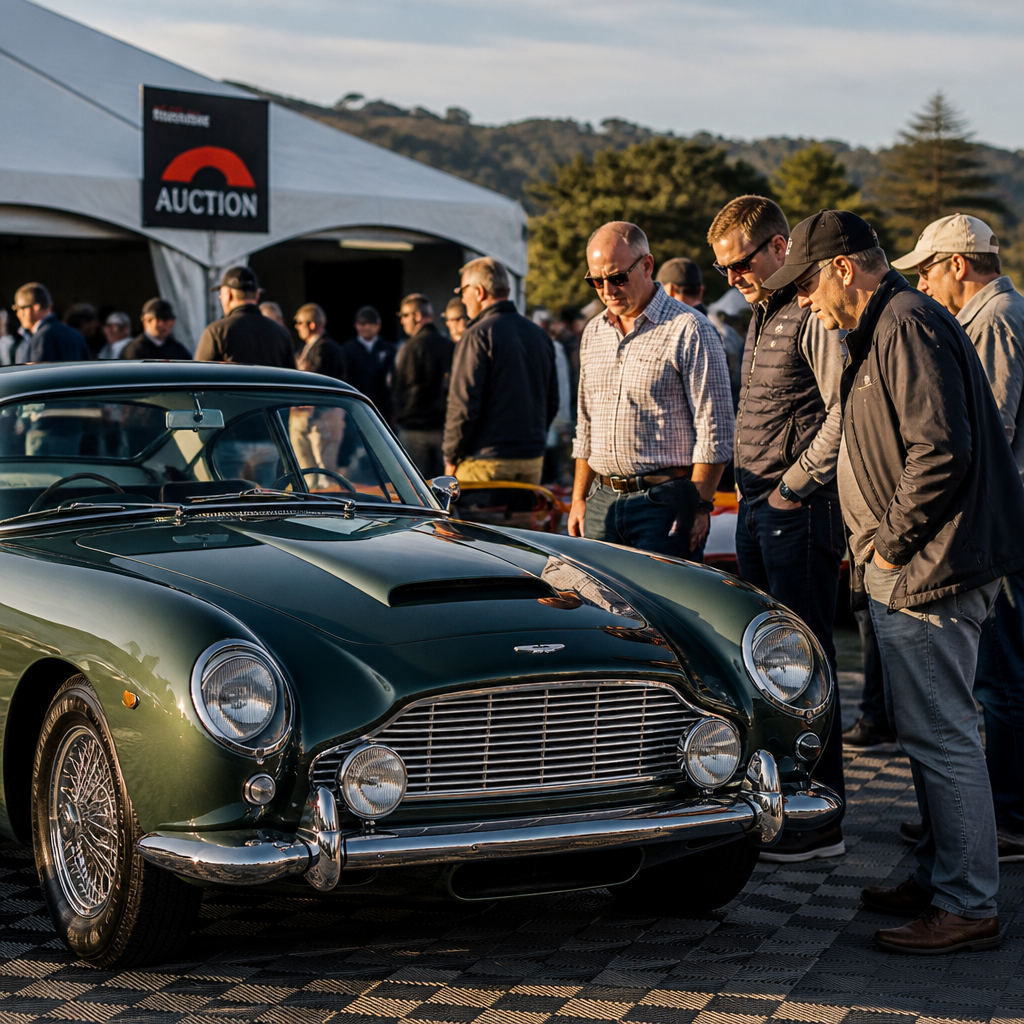
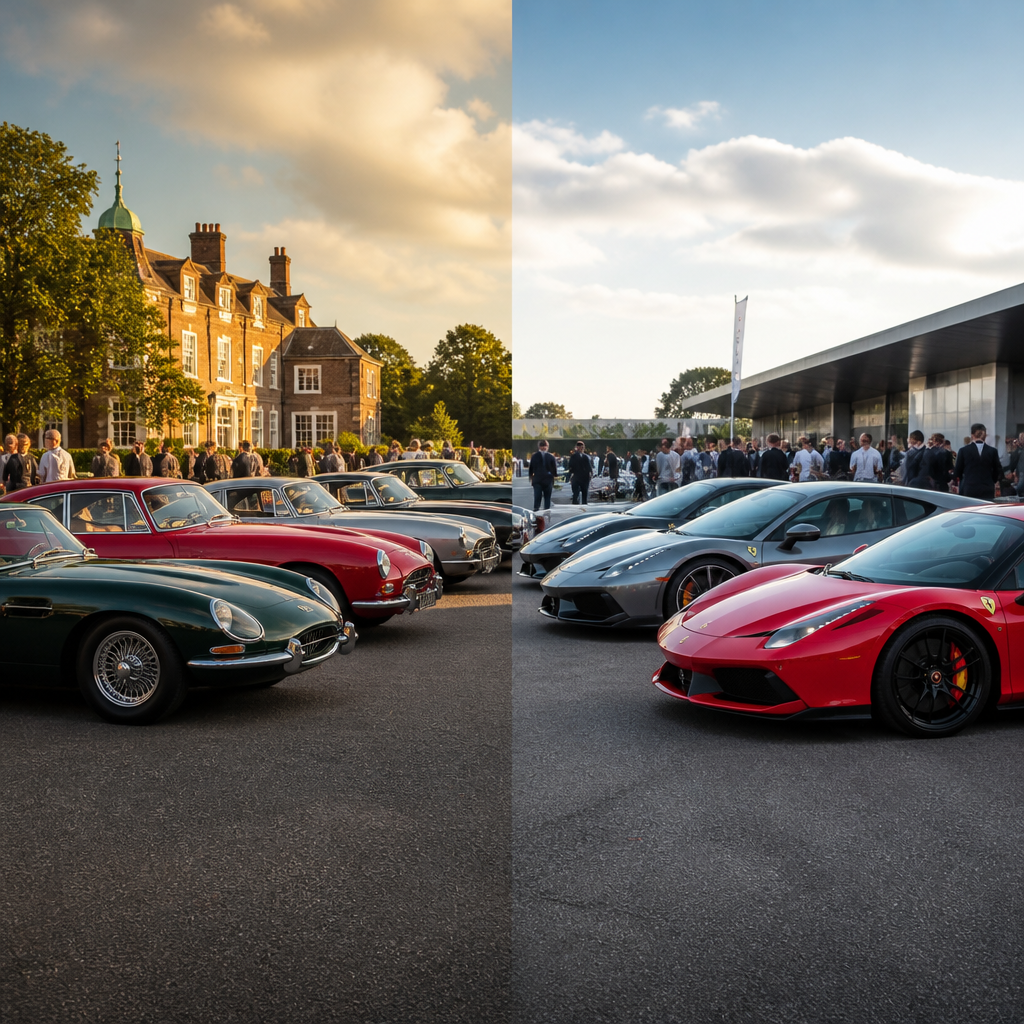
The classic car market has changed more in the last decade than many enthusiasts expected, shifting from a hobby driven mainly by nostalgia into a data-aware, globally visible asset class shaped by demographics, digital platforms, and changing definitions of desirability. In practical terms, classic car market trends now reflect far more than auction drama: they include online discovery, financing, restoration costs, insurance models, younger buyers, and the growing divide between blue-chip collector cars and usable enthusiast vehicles. A classic car is generally understood as an older vehicle valued for rarity, historical importance, engineering, design, or cultural impact, though market participants often separate antiques, postwar collectibles, modern classics, and exotics into different segments. That distinction matters because a 1960s Ferrari, a 1980s Porsche 911, and a 1990s Japanese performance coupe do not move in sync. Over the past ten years, I have watched buyers move from instinctive bidding to spreadsheet-backed decisions, often cross-checking sale comps on Hagerty, Bring a Trailer, RM Sotheby’s, and auction archives before making an offer. The result is a more transparent market, but not a simpler one. Prices can rise quickly when a generation reaches peak earning years, then soften just as quickly when maintenance costs, interest rates, or oversupply catch up. Understanding how the market has changed is essential for collectors, investors, dealers, and first-time buyers because timing, category selection, and ownership cost now matter as much as passion.
Digital platforms turned a local hobby into a global market
The single biggest structural shift in classic car market trends has been digitization. A decade ago, many meaningful transactions still depended on in-person auctions, dealer networks, marque clubs, and word of mouth. Today, online auction platforms, searchable price databases, digital escrow, and specialist photography have widened access dramatically. Bring a Trailer helped normalize detailed online listings with hundreds of photos, cold-start videos, underbody shots, and active comment sections that crowdsource due diligence in real time. Cars & Bids did the same for newer enthusiast vehicles. Traditional houses such as RM Sotheby’s, Bonhams, Gooding, and Mecum also expanded digital bidding, bringing remote buyers into sales that once depended on room presence.
This shift improved price discovery. Buyers can now compare specification, originality, mileage, restoration quality, and provenance against prior public results instead of relying only on seller claims. It also rewarded transparency. In my experience, cars with complete documentation, paint-meter readings, compression results, service invoices, and clear ownership history now command stronger confidence and often stronger prices than cosmetically attractive but poorly documented examples. Digitization, however, created faster swings in sentiment. When one standout sale sets a headline, sellers across the market may anchor to it, even if that result reflected exceptional provenance or timing. Online visibility has made the market broader, but it has also made pricing psychology more immediate and sometimes more volatile.
Demographics changed what counts as collectible
One of the most important changes in the decade has been the rise of generational demand as a pricing force. For years, the collector world centered heavily on prewar cars, chrome-era American classics, and 1950s through 1970s European icons. Those categories still matter, but buying energy has moved toward vehicles that resonate with Gen X and older millennials. That means 1980s, 1990s, and early 2000s performance cars have gained legitimacy as serious collectibles. Air-cooled Porsche 911s, BMW E30 M3s, Acura NSXs, Toyota Supras, Nissan Skyline GT-Rs, Land Rover Defenders, and analog Ferraris from the 1990s all benefited from this shift.
The reason is straightforward: people tend to chase the cars they idolized when they were young, especially when disposable income increases. This has pushed the market beyond traditional concours logic. Cultural relevance now competes with rarity and coachbuilt history. A homologation special, a tuner-era hero, or a movie-associated car can attract strong demand even without the age profile once associated with “classic” status. At the same time, some older segments cooled as long-time collectors aged out and fewer younger buyers wanted very large, prewar, or formal-bodied cars that are difficult to store, maintain, and use. The market did not stop valuing significance; it simply widened the definition of significance.
Price growth became more selective and less forgiving
A major lesson of the last decade is that not all classic cars appreciate together. The broad upswing that lifted many categories in the early and mid-2010s gave way to a more selective environment. Exceptional cars kept attracting money, while average examples lost momentum. The difference between condition grades became more pronounced, and buyers became less willing to pay premium prices for cars with stories, needs, or incorrect details. In practical terms, a numbers-matching car with original colors, known ownership, and fresh major service may bring a substantial premium over a similar model with deferred maintenance and uncertain history.
This selectivity is visible across nearly every segment. The best Porsche 964s and 993s stayed resilient because they blend usability, analog feel, and broad brand recognition. By contrast, ordinary convertibles from oversupplied eras often lagged, even if they looked attractive in photos. American muscle remained desirable, but build sheet, engine originality, and restoration quality became increasingly important. European exotics retained cachet, yet the cost of recommissioning has made neglected examples far less appealing than they once were to speculative buyers. In short, the market matured. Buyers learned that the cheapest entry price is rarely the cheapest ownership path.
Condition, originality, and documentation now drive premiums
If there is one rule that became stricter over the decade, it is this: provenance and documentation sell. As prices rose, buyers demanded stronger proof. Service records, ownership chains, restoration invoices, factory certificates, matching-numbers verification, and independent inspections became central to value. A highly original car with honest wear can now outperform a heavily restored example if collectors believe originality preserves historical integrity. That preference is especially visible in survivor cars, first-paint examples, and unrestored interiors with authentic patina.
At the same time, quality restoration still matters, but the market scrutinizes workmanship more carefully than before. Panel fit, date-coded components, materials, weld quality, trim correctness, and finishes are judged against factory standards and marque-specific knowledge. In online sales, high-resolution photography makes flaws easy to spot, and enthusiast communities quickly identify inaccuracies. This has reduced the premium once awarded to shiny but superficial restorations. During inspections I have seen buyers walk away over incorrect stampings, replacement colors, or undocumented engine swaps that would have been ignored in a hotter, less transparent market. Documentation does not eliminate risk, but it consistently reduces uncertainty, and the market prices certainty aggressively.
Ownership costs became a bigger part of valuation
Purchase price is now only the first line in the investment equation. Over the last ten years, restoration labor rates, parts costs, transportation, storage, insurance, and specialist servicing all climbed sharply. That changed buyer behavior. Cars with expensive deferred maintenance became harder to sell because knowledgeable bidders could estimate the bill with growing accuracy. A V12 Ferrari, a hydraulic Citroën, or a coachbuilt British grand tourer may look tempting at an entry price, but the cost of sorting fuel systems, suspension, cooling, trim, and electrical issues can quickly exceed the spread to a well-kept example.
These cost realities shifted demand toward usable classics that start reliably, have parts support, and can be driven often without constant specialist intervention. Air-cooled Porsches, vintage Mercedes SLs, and many 1980s and 1990s Japanese sports cars benefited from reputations for relative usability, though parts scarcity now affects some of those models too. Insurance products also evolved, with agreed-value policies becoming more common and telematics less relevant than storage, mileage limits, and appraisal quality. Serious buyers increasingly model total cost of ownership before bidding, which is one reason some seemingly cheap cars remain unsold while sorted examples continue to trade.
| Market driver | How it changed values | Example |
|---|---|---|
| Online auctions | Improved price discovery and expanded bidder pools | Rare BMWs and Porsches reaching global buyers instead of local club circles |
| Generational demand | Shifted attention to 1980s–2000s enthusiast cars | Toyota Supra Mk4 and Acura NSX gaining collector status |
| Documentation standards | Raised premiums for original, well-documented cars | Matching-numbers muscle cars outperforming similar undocumented cars |
| Higher restoration costs | Reduced appetite for project cars and deferred-maintenance examples | Neglected Italian exotics trading at steeper discounts |
| Economic conditions | Increased sensitivity to interest rates and liquidity | Mid-tier collector cars softening during tighter credit periods |
Economic cycles and liquidity now matter more than enthusiasts admit
Collectors often say they buy with their hearts, and many do, but market behavior over the decade showed clear sensitivity to macroeconomics. Low interest rates and abundant liquidity helped support collector-car values in parts of the 2010s, especially for trophy assets and recognizable brands. When money is cheap, buyers are more willing to allocate capital to discretionary purchases, including vintage cars. As rates rose and financial conditions tightened, the middle of the market felt pressure first. That is typical. Top-tier cars with museum-grade provenance may still attract cash buyers, while aspirational enthusiasts relying on financing or stretched budgets pull back.
Inflation added another layer. Parts, labor, shipping, and event costs increased, making ownership more expensive even when nominal values held steady. Meanwhile, some owners who bought at peak prices discovered that a static market can still produce a real loss once fees, storage, insurance, and maintenance are counted. This is why classic cars should rarely be framed as passive investments. They are tangible assets with carrying costs, liquidity constraints, and segment-specific risk. The last decade reinforced a basic truth: quality can preserve value better than mediocrity, but no category is immune to economic gravity.
Events, media, and culture reshaped demand patterns
The classic car market no longer moves only through concours lawns and auction tents. Media exposure, social platforms, motorsport nostalgia, and lifestyle branding now influence what people want. A television appearance, a successful restomod launch, or a viral auction can revive interest in a dormant model. Younger buyers who may never have attended Pebble Beach still follow Monterey results, Goodwood coverage, Formula 1 heritage content, and online build channels. That has broadened participation and changed the emotional triggers behind demand.
The restomod movement is a good example. Companies such as Singer, Alfaholics, Eagle, and Icon helped reframe older cars as modernized experiences rather than strictly preserved artifacts. Purists do not always approve, but the commercial impact is undeniable. Restomods raised appreciation for donor models, highlighted engineering narratives, and introduced affluent buyers to classic aesthetics without fully classic compromises. At the same time, mainstream attention to Japanese domestic market imports, Group B icons, and analog supercars pushed categories once considered niche into the collector spotlight. Cultural visibility does not guarantee lasting value, but over the decade it repeatedly accelerated demand.
What buyers, collectors, and investors should do now
Today’s market rewards discipline more than speed. Buyers should define their goal first: weekend driving, long-term collecting, event eligibility, or financial upside. That goal determines the right segment. For enjoyment and manageable risk, many enthusiasts are better served by high-quality driver cars with strong parts support than by headline models bought at the top of the market. Pre-purchase inspection remains nonnegotiable, ideally by a marque specialist using compression or leak-down testing, paint analysis, chassis review, and documentation checks. Public sale comparables should be adjusted for fees, condition, specification, and timing, not copied blindly.
Collectors building a portfolio should diversify by era and ownership burden, not just by badge. One blue-chip car can anchor value, but usable analog cars often provide stronger liquidity because they attract wider buyer pools. Investors should also watch adjacent signals: insurer valuation reports, auction sell-through rates, restoration shop backlogs, club activity, and regulatory issues affecting imports or emissions compliance. Most importantly, buy the best example you can afford. Over the last decade, that principle consistently outperformed bargain hunting. The classic car market has changed from a romance-led niche into a transparent, segmented, and professionally analyzed marketplace. That is good news for informed buyers. Study the segment, verify the history, and choose a car that makes sense both emotionally and financially.
Frequently Asked Questions
How has the classic car market changed over the last decade?
Over the last ten years, the classic car market has moved from being primarily a passion-driven hobby into a far more structured, visible, and data-informed marketplace. A decade ago, many buying decisions were shaped by nostalgia, club networks, print listings, local dealers, and major auction houses. Today, pricing is influenced by a much broader mix of factors, including online sales platforms, public auction results, social media visibility, restoration economics, demographic shifts, insurance and financing availability, and global buyer access. In other words, the market now operates with more transparency, but also with more complexity.
One of the biggest changes has been the speed of information. Buyers can now compare asking prices, past sales, model histories, ownership documentation, and condition details much more easily than before. That has reduced some of the mystery that once surrounded valuation, especially for well-documented cars. At the same time, it has created sharper distinctions between cars that look similar on the surface but differ greatly in originality, provenance, restoration quality, and long-term desirability. As a result, the market has become more selective rather than simply more expensive.
Another major shift is segmentation. The old assumption that “all classic cars go up” has largely disappeared. Blue-chip collector cars with rarity, historical importance, excellent provenance, and top-tier condition often continue to attract serious money, while middle-market and entry-level classics can behave very differently. Some have remained steady, some have softened, and some have benefited from renewed interest from younger buyers. The result is a market that is less uniform and more dependent on category, era, use case, and buyer profile than it was in the past.
Why are some classic cars rising in value while others have stalled or declined?
Value divergence is one of the defining features of the modern classic car market. Not every collector vehicle is appreciating at the same rate, because buyers are now far more disciplined about what they are willing to pay for. Cars with exceptional provenance, original drivetrains, rare factory specifications, low production numbers, and strong documentation tend to hold attention because they offer scarcity and confidence. In contrast, cars with incomplete histories, questionable restorations, high ownership turnover, or weak enthusiast support can struggle, even if they belong to a once-popular segment.
Demographics also play a major role. For years, many values were supported by nostalgia from buyers seeking the cars they admired in their youth. As those buyer groups age, demand patterns naturally shift. Some vehicles that were once highly sought after have seen flatter pricing because younger collectors do not connect with them in the same way. Meanwhile, cars from the 1980s, 1990s, and early 2000s have become more desirable as new generations of buyers enter the market. This is not just about age; it is about cultural relevance, media exposure, accessibility, and the driving experience modern enthusiasts actually want.
Ownership costs have become another important filter. Rising restoration bills, parts scarcity, specialized labor rates, storage expenses, and insurance considerations have made buyers more cautious. A car that appears inexpensive to purchase may be very costly to bring to a high standard, which can suppress demand for rough or incomplete examples. By contrast, well-sorted, ready-to-enjoy cars often command a premium because buyers increasingly value convenience, reliability, and reduced uncertainty. In short, market performance today reflects not just emotional appeal, but the full economic reality of ownership.
What role have online auctions and digital platforms played in reshaping the market?
Digital platforms have fundamentally changed how classic cars are discovered, evaluated, marketed, and sold. In the past, many buyers relied on local networks, enthusiast publications, in-person shows, brokers, and marquee auction events. Today, a collector can browse inventory from across the country or across the world in a single evening, compare listings instantly, and review large archives of public sale results. That expanded reach has increased liquidity in some parts of the market and brought many more participants into the buying process.
Online auctions in particular have changed pricing visibility. Because bidding often happens in public and completed sales remain searchable, market sentiment becomes easier to track in real time. That transparency can help serious buyers make more informed decisions, but it can also amplify short-term enthusiasm or hesitation. A handful of strong or weak public results can quickly shape perception around a model, even when those results reflect unusually good or unusually poor examples. As a result, buyers have to distinguish between headline prices and true market norms.
Digital selling has also raised the bar for presentation and disclosure. High-quality photography, cold-start videos, underbody images, paint meter readings, service records, and third-party inspections now influence confidence in ways that were less standard a decade ago. Sellers who can document originality and condition thoroughly often perform better. At the same time, the convenience of online transactions has not eliminated the need for due diligence. In many cases, it has made careful review even more important, because buyers may be purchasing cars they have never seen in person. The digital market has created access and efficiency, but successful participation still depends on expertise, skepticism, and strong documentation.
How have younger buyers influenced classic car market trends?
Younger buyers have helped broaden the definition of what qualifies as collectible and desirable. For much of the classic car market’s modern history, demand centered heavily on pre-war icons, postwar American chrome, muscle cars, traditional European sports cars, and a relatively narrow group of established “investment-grade” models. Over the last decade, younger enthusiasts have shifted attention toward vehicles that feel more usable, more culturally familiar, and sometimes more affordable. That includes analog performance cars from the 1980s and 1990s, Japanese performance models, limited-production homologation cars, early luxury SUVs, and enthusiast-oriented modern classics with strong design or motorsport identities.
This generational change has influenced not only which cars gain momentum, but how they are valued. Younger buyers often prioritize driving enjoyment, authenticity, community support, parts availability, and online cultural relevance alongside traditional factors like rarity and concours quality. A car with strong enthusiast media presence, recognizable styling, tuner heritage, or game-and-film nostalgia may attract intense interest even if it was overlooked by previous generations. That does not mean the old standards of collectibility have disappeared; rather, the market now supports a wider range of narratives and ownership motivations.
Younger buyers have also normalized digital research and remote purchasing. They are comfortable using auction archives, enthusiast forums, social content, build documentation, and specialist videos to evaluate cars before making decisions. This has accelerated trends and made some segments move faster than they once would have. At the same time, many younger collectors remain budget-conscious, which has created strong interest in “next-tier” cars that deliver character and experience without the price levels of established blue-chip models. Their influence has made the market more dynamic, more inclusive in taste, and less tied to a single traditional hierarchy of value.
What should buyers and investors watch going forward in the classic car market?
Anyone looking at the market today should focus on fundamentals rather than broad assumptions. The most important questions are no longer simply whether a car is old, rare, or popular. Buyers should evaluate documentation, originality, maintenance history, restoration quality, parts support, ownership costs, and the strength of the enthusiast community around a model. Cars with complete stories and realistic operating economics are often better positioned than cars that rely purely on past hype or superficial scarcity. In a more mature market, informed buying tends to outperform emotional buying.
It is also important to monitor cost pressures. Restoration expenses have risen sharply in many areas, especially for paintwork, bodywork, upholstery, engine rebuilding, trim restoration, and model-specific parts sourcing. Labor from respected specialists is often backlogged and expensive. Insurance products have improved and financing has become more available in some segments, but those tools do not erase the underlying cost of ownership. Buyers should calculate what it would actually take to maintain or improve a car over several years, not just what it costs to acquire it today.
Finally, watch how desirability continues to evolve. Demographic turnover, tighter household budgets, digital market transparency, environmental policy discussions, and changing preferences around drivability and usability will all continue to shape demand. The strongest long-term candidates are likely to be cars that combine authenticity, memorable design, mechanical character, and a clear place in automotive history or enthusiast culture. For investors, that means avoiding the idea that every classic is a guaranteed asset. For enthusiasts, it reinforces a more practical truth: the best buys are often the cars with lasting appeal, solid documentation, and a genuine reason to be wanted beyond speculation alone.