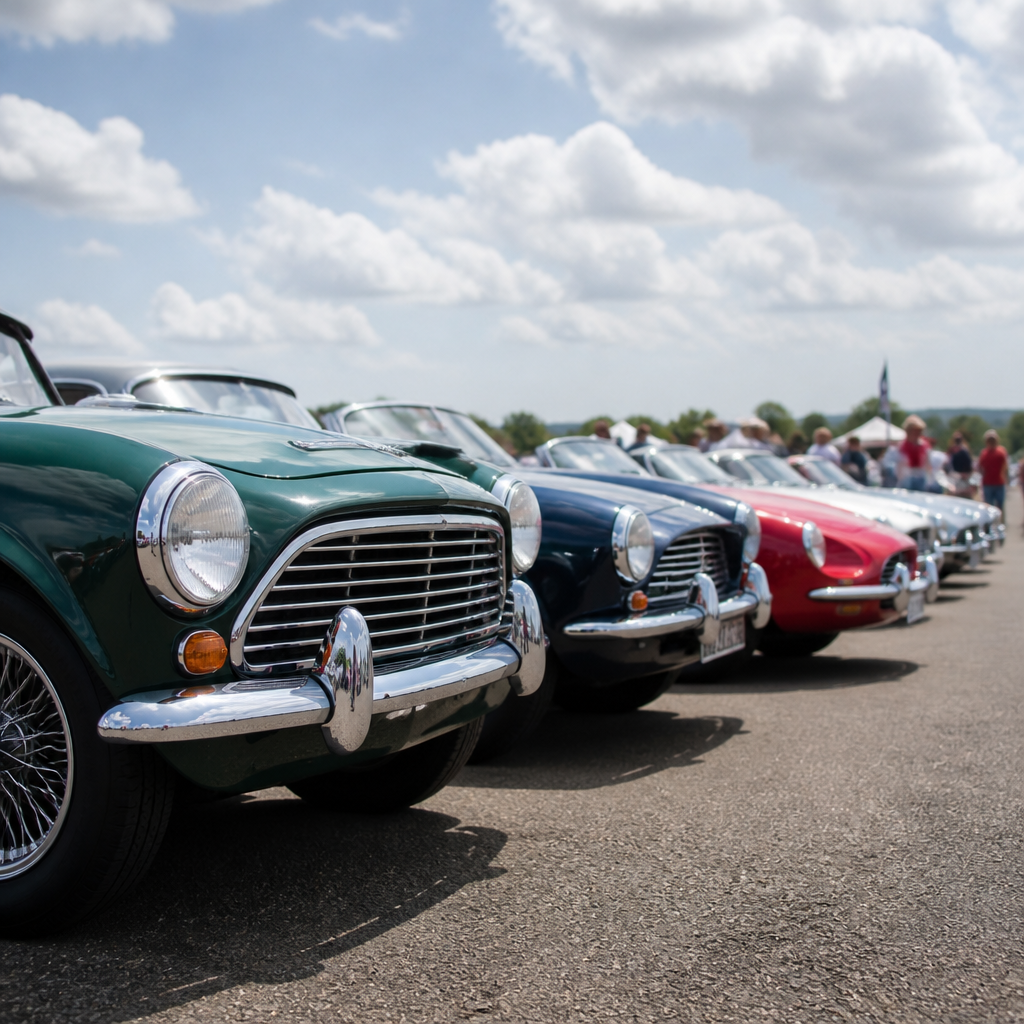
Classic car prices are not moving in one direction; they are rising sharply in some segments, flattening in others, and falling where speculation outpaced genuine collector demand. That mixed picture defines today’s classic car market trends and explains why broad headlines often mislead buyers, sellers, and investors. A “classic car” generally refers to an older vehicle valued for rarity, design, motorsport history, cultural significance, or mechanical character rather than basic transport utility. In practice, the market spans everything from prewar coachbuilt cars and blue-chip Ferraris to analog 1990s sports cars, pickup trucks, and modern classics from the early 2000s. “Prices” can mean auction hammer results, private-sale transactions, insurer agreed values, dealer asking prices, or published index movements, and each tells a slightly different story. That is why anyone asking whether classic car prices are rising or falling needs context before reaching a conclusion.
From years of watching consignments, comparing auction dockets, and tracking what actually sells versus what merely gets listed, I can say the market rewards quality and punishes mediocrity more than it did a decade ago. Condition, documentation, originality, color, options, low production numbers, and buyer demographics all influence value. So do interest rates, disposable income, currency swings, and changes in emissions policy. A concours-level Porsche 911 Carrera RS, a driver-grade Jaguar E-Type, and a modified 1987 Chevrolet C10 can all move in opposite directions during the same quarter. That complexity matters because classic cars sit at the intersection of passion and capital. For enthusiasts, pricing trends determine whether ownership is attainable. For collectors, they affect insurance, estate planning, financing, and timing. For investors, they shape risk, liquidity, and expected returns compared with equities, real estate, and other collectibles.
As the hub for classic car market trends, this article explains what is happening across the market, why values change, which segments are strongest, where risks are building, and how to read pricing data intelligently. It also gives plain-language answers to common buyer questions, from whether auctions are still setting the market to how younger collectors are reshaping demand. The short answer is simple: the best cars remain resilient, average cars are facing more price pressure, and future performance will depend less on age alone and more on rarity, story, and use-case appeal.
What is happening in the classic car market right now?
The current classic car market is best described as selective rather than universally bullish or bearish. After the rapid appreciation seen in several headline segments during the 2010s and the unusual liquidity surge that followed pandemic-era asset inflation, the market has become more disciplined. Buyers are still active, but they are more price sensitive, more research driven, and far less willing to overlook flaws. The result is a widening spread between top-tier examples and everything else. Exceptional cars with documented provenance, matching-numbers drivetrains, known ownership history, recent specialist restoration, and strong specification continue to command aggressive bidding. Meanwhile, ordinary examples with deferred maintenance, poor colors, weak paperwork, or overoptimistic reserves are sitting longer or transacting below peak levels.
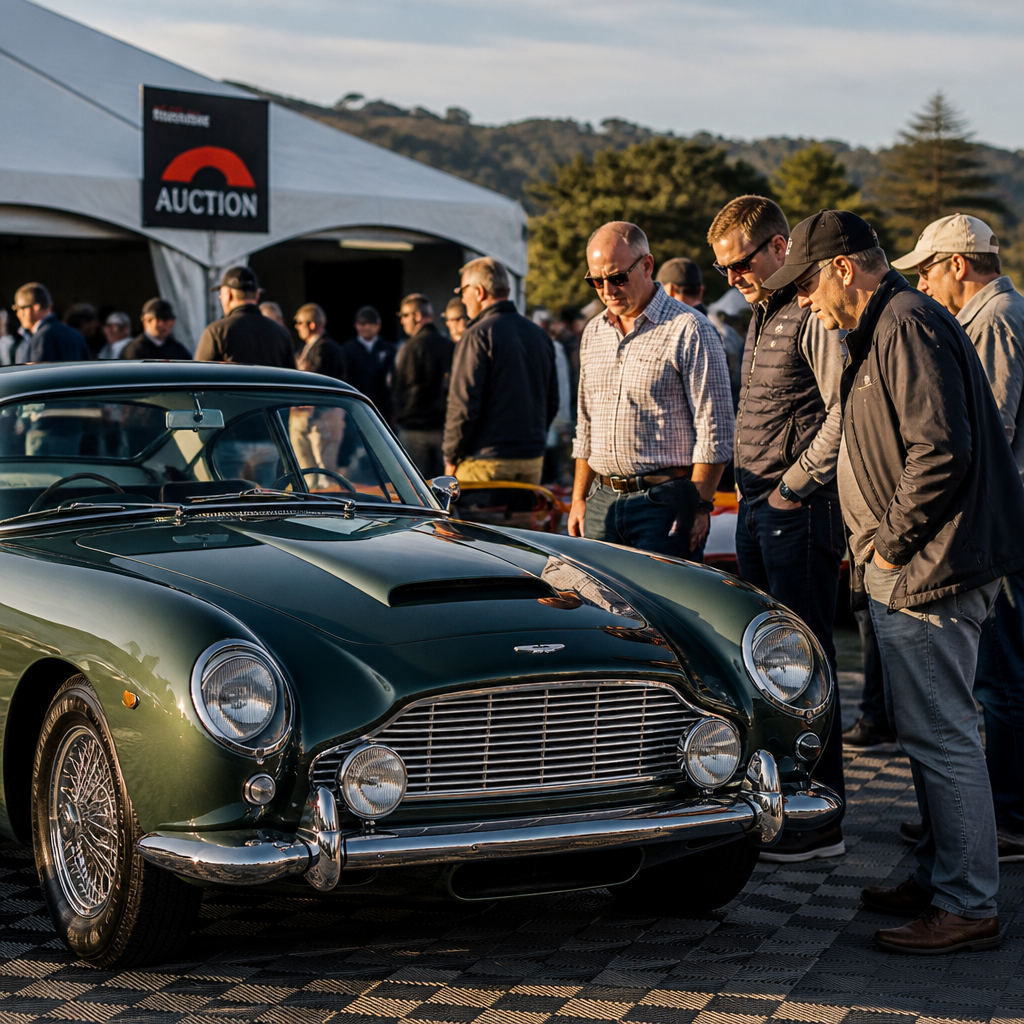
This pattern appears across major venues. Auction houses such as RM Sotheby’s, Gooding Christie’s, Bonhams, Mecum, and Broad Arrow still produce impressive headline results, but sell-through rates and lot-level performance often reveal a more nuanced market. A marquee Ferrari, Mercedes-Benz 300 SL, or air-cooled Porsche can beat estimate if it checks every box. A similar model with replacement components, incomplete history, or mediocre restoration may struggle. In private sales, where many of the market’s most serious transactions occur, realistic pricing and pre-purchase transparency have become decisive. Dealers who once relied on broad market momentum now need sharper curation and stronger storytelling to move inventory.
Younger classics are one of the clearest areas of relative strength. Analog performance cars from the 1980s, 1990s, and early 2000s attract buyers who are entering their peak earning years and chasing the posters, racing games, and tuner culture icons of their youth. That demand has supported values for vehicles like the Acura NSX, BMW E30 M3, Toyota Supra Turbo, Nissan Skyline GT-R, and Porsche 964 and 993 variants. However, even in these hot categories, not every car rises equally. Originality, mileage, and unmodified condition matter enormously because many surviving examples were heavily altered or poorly maintained.
Why classic car prices rise or fall
Classic car values move for specific reasons, not market magic. Scarcity matters, but scarcity alone is insufficient. A rare car no one wants is simply rare, not valuable. Demand must be durable, global, and emotionally grounded. Brand power is another major driver. Ferrari, Porsche, Mercedes-Benz, Aston Martin, and certain American muscle marques benefit from strong recognition and established collector networks. Motorsport pedigree also has measurable pricing power. Cars linked to Le Mans, Formula 1, rallying, or homologation specials carry narratives that attract buyers far beyond simple transportation value. Provenance can transform price as dramatically as mechanical condition. A standard production car formerly owned by a celebrity or tied to a notable competition history often trades at a premium because story creates distinction.
Macroeconomic conditions are equally important. Higher interest rates tend to cool discretionary purchases, especially for financed buyers or investors comparing returns across asset classes. Inflation can support tangible assets, but only when confidence remains strong and holding costs stay manageable. Currency strength influences cross-border buying because top-tier collector cars trade internationally. Tax treatment, import rules, and environmental regulation also affect values. In Europe and some urban markets, concerns about future access restrictions may weaken demand for certain vehicles used primarily on public roads. At the same time, exemption rules for historic vehicles can protect desirability where policy is stable.
Condition is where many owners misread the market. Restoration quality, originality, and maintenance history increasingly separate winners from losers. I have seen owners anchor to a record sale without recognizing that the reference car had factory documentation, concours restoration, and a fresh engine rebuild from a recognized marque specialist. Their own car, though attractive in photos, might have non-original trim, corrosion repairs, inconsistent panel fit, and an undocumented repaint. In a stronger market, broad demand can hide those gaps. In a selective market, the discount becomes obvious. Buyers now inspect more carefully, commission paint-meter readings, verify stampings, and review invoices because they know hidden issues can erase any perceived bargain.
Which segments are rising, flat, or falling?
Blue-chip classics remain the most resilient segment, though they are not immune to pauses. Landmark cars such as the Mercedes-Benz 300 SL Gullwing, Ferrari Daytona, Porsche Carrera RS models, and significant competition cars continue to attract global money because supply is limited and status is entrenched. These vehicles often function as stores of cultural value as much as transportation artifacts. They tend to recover faster after market softening because top collectors compete for the same finite inventory. That said, record-level examples can still experience temporary retrenchment if buyers become cautious or if too many similar cars come to market at once.
Mid-market classics are seeing the most uneven behavior. Cars that were pulled upward by speculation during years of easy money are now being repriced. This includes some ordinary muscle cars, restored British roadsters with no rarity advantage, and highly available entry-level collectibles whose asking prices outran buyer appetite. Many of these cars still sell, but they require realistic reserves and honest condition grading. By contrast, usable enthusiast cars with broad club support and manageable maintenance costs remain relatively liquid. Air-cooled 911s, well-sorted Alfa Romeos, first-generation Ford Broncos, and select Japanese performance models continue to generate interest because buyers can enjoy them without entering ultra-high-end territory.
| Segment | Recent Direction | Why |
|---|---|---|
| Blue-chip European classics | Mostly rising or stable | Global demand, proven rarity, strong provenance premiums |
| 1990s-2000s analog sports cars | Rising selectively | Younger collectors, nostalgia, limited unmodified supply |
| Mainstream restored classics | Flat to falling | Higher supply, quality variance, buyer price discipline |
| Modern exotics with high running costs | Mixed | Depreciation risk, service complexity, changing tastes |
| Pickup trucks and SUVs | Stable to rising | Lifestyle appeal, usability, broad audience |
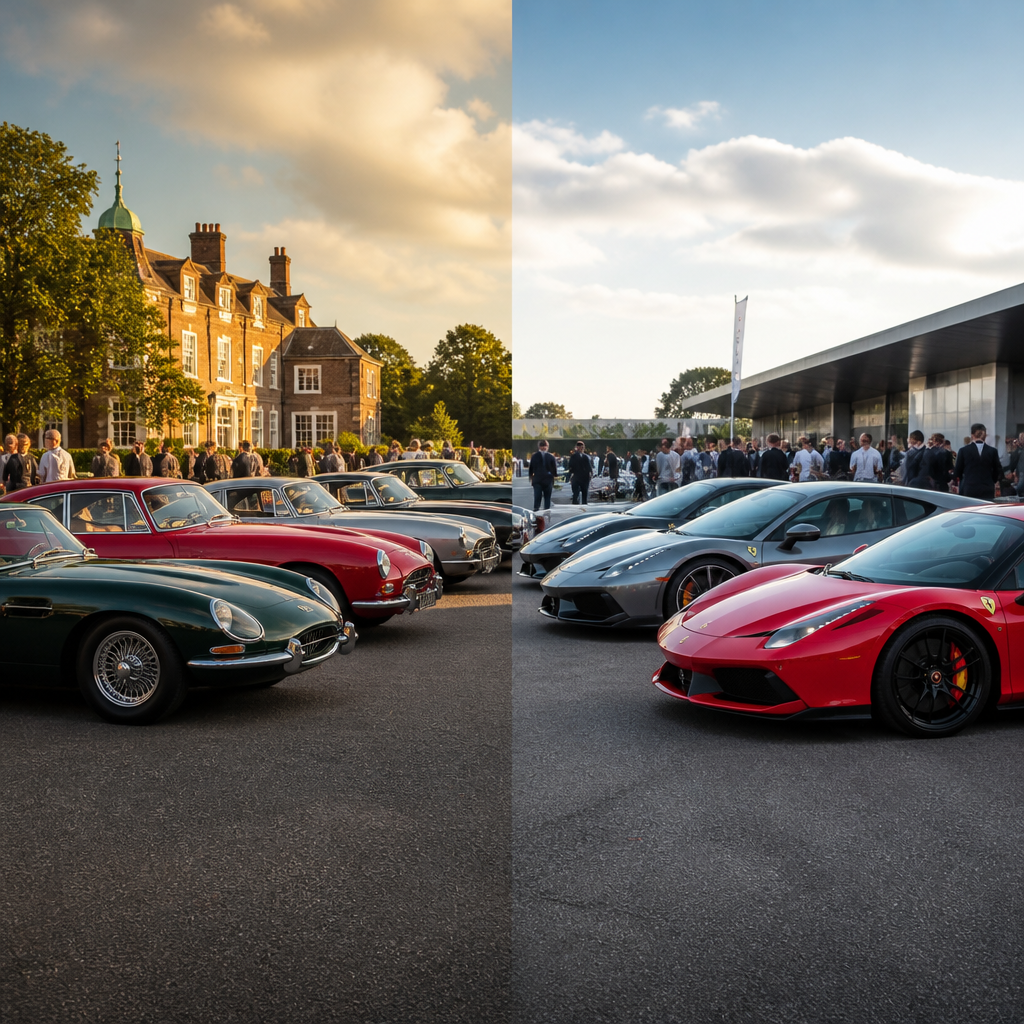
Modern classics deserve special attention because they now influence the broader narrative around classic car market trends. Vehicles once dismissed as used performance cars are being reclassified as collectibles, especially if they represent the end of a technological era: naturally aspirated engines, manual transmissions, hydraulic steering, low electronic intervention, or homologation roots. Yet this segment is volatile. A limited-production manual Ferrari or Porsche GT model can surge because collectors view it as irreplaceable. A mass-produced luxury performance car with expensive electronic systems and weak enthusiast identity may soften quickly despite low mileage. The lesson is clear: generation change supports values only where the car’s character is distinct and the ownership proposition remains credible.
How buyers and sellers should read market data
Anyone trying to judge whether classic car prices are rising or falling should separate asking prices from transaction prices. Dealer ads and online listings show ambition, not necessarily value. The better indicators are completed auctions, confirmed private sales, insurer valuation adjustments, and long-term index data from firms such as Hagerty. Even then, raw numbers need interpretation. A sale above estimate may reflect exceptional provenance rather than broad category strength. A no-sale may indicate an unrealistic reserve rather than weak demand. Median prices can also mislead when the mix of cars changes from one period to another.
Condition grading systems help, but they are not a substitute for inspection. A Price Guide condition two car and a condition three car can differ dramatically in market appeal even within the same model year. Buyers should compare mileage, factory colors, ownership chain, restoration age, service recency, and originality of major components. Sellers should do the same before setting expectations. In practice, the most useful valuation method is triangulation: use auction results, dealer sales, specialist opinions, and cost-of-replacement logic together. If three recent public sales cluster below a seller’s target and no compelling provenance justifies a premium, the market is sending a clear signal.
Timing also matters more than many owners assume. Major events such as Monterey Car Week, Scottsdale, Amelia, Retromobile, and Goodwood create visibility and urgency, but they do not guarantee strong pricing for every car. I have seen sellers rush to high-profile auctions believing any exposure is good exposure, only to discover that the audience was focused on a different era or marque. Matching venue to vehicle is essential. So is presentation. Detailed photography, compression numbers, specialist inspection reports, and organized history files reduce uncertainty, and reduced uncertainty supports stronger bids. In a cautious market, trust is not a soft factor; it is a pricing factor.
What these trends mean for collectors and investors
For collectors, the biggest takeaway is that enjoyment and quality have regained importance relative to pure momentum. Buying a car because it is historically significant, genuinely rare, and satisfying to use remains a sounder approach than buying whatever rose fastest last year. Ownership costs must be part of the equation. Storage, insurance, transportation, specialist labor, parts availability, and deferred mechanical work can materially change total return. A car that appreciates 10 percent but requires an engine rebuild, paint correction, and climate-controlled storage may underperform expectations. Conversely, a stable-value car that delivers frequent use, strong club support, and low surprise costs can be the better long-term holding.
For investors, classic cars should be treated as illiquid tangible assets, not interchangeable financial securities. The best opportunities usually come from deep specialization rather than broad trend chasing. Knowing the difference between an original-panel car and a re-shelled example, or between a factory lightweight and a later tribute, is where risk control lives. Diversification matters too. Concentrating solely in one hot niche invites drawdown if demographics shift or supply increases. The most durable strategy is to buy the best example you can verify, hold with patience, and plan around realistic selling windows rather than instant liquidity.
Looking ahead, classic car prices are likely to remain segmented. The market will continue to reward provenance, originality, cultural relevance, and drivability. It will continue to discount mediocre restorations, weak documentation, and overproduced models priced as if rarity alone guarantees appreciation. If you are using this page as your hub for classic car market trends, the core lesson is straightforward: stop asking whether the entire market is up or down and start asking which cars, in what condition, with what history, are attracting committed buyers. That sharper question leads to better decisions. Track real sales, study category-specific demand, and buy quality with a long horizon. In this market, precision beats prediction.
Frequently Asked Questions
Are classic car prices rising or falling overall?
Classic car prices are doing both at the same time, which is why simple headlines rarely tell the full story. The market is highly segmented. Certain categories, especially blue-chip collector cars with rare production numbers, proven historical importance, motorsport pedigree, or strong brand prestige, have continued to attract serious money. At the same time, many mid-tier and speculative cars that surged in value during periods of easy credit and hype have leveled off or declined. In other words, the classic car market is not moving in one direction; it is separating into stronger and weaker niches.
This mixed performance reflects how buyers now evaluate vehicles more carefully. Collectors are paying premiums for authenticity, documented history, exceptional condition, and limited availability, while becoming less willing to overpay for ordinary examples or cars that were pushed upward by trend-driven buying. Economic uncertainty, higher ownership costs, and changing generational tastes also play a role. So if you are asking whether classic car prices are rising or falling, the most accurate answer is that the best cars in the most desirable segments often remain resilient or are still appreciating, while less distinctive vehicles may be stagnating or slipping back.
Why are some classic cars increasing in value while others are declining?
The difference usually comes down to real collector demand versus temporary market excitement. Cars that continue to rise in value tend to have lasting qualities that matter to knowledgeable buyers: rarity, historical significance, iconic design, strong club support, motorsport connections, originality, and a reputation that has stood the test of time. These vehicles appeal to collectors for reasons that go beyond short-term investment potential. Because demand is rooted in genuine enthusiasm, values can remain strong even when the broader market becomes more selective.
By contrast, cars that are declining often benefited from speculation rather than deep, durable demand. During hot market periods, certain models can become fashionable very quickly, and prices rise faster than the collector base can justify. Once conditions change, buyers step back and prices soften. Condition also matters enormously. Two examples of the same model can have very different values depending on restoration quality, matching numbers, originality, service records, ownership history, and whether the car has hidden issues. In today’s market, buyers are rewarding the best examples and discounting average or compromised cars much more sharply than before.
Which segments of the classic car market are strongest right now?
The strongest parts of the market are generally the ones supported by established collector confidence. This often includes landmark European sports cars, historically important American muscle cars, limited-production performance models, and vehicles with proven motorsport heritage or standout cultural significance. Cars from marquee brands with global followings also tend to be more resilient because demand is broader and less dependent on one local market. In many cases, originality and provenance are more important than ever, so top-condition survivor cars or expertly documented restorations can command significant premiums.
Another relatively strong area is enthusiast-focused cars that offer a compelling ownership experience, not just investment appeal. Buyers still respond to manual transmissions, analog driving feel, distinctive engineering, and recognizable styling. However, strength does not mean every car in a category will rise. Even within a popular segment, mediocre examples may struggle if restoration costs are high or if supply has increased. The market currently favors quality over quantity, and it is rewarding cars that combine emotional appeal with scarcity and trustworthiness. That is why broad category labels only go so far; the details of the individual vehicle are often what determine whether it attracts aggressive bidding or cautious offers.
What factors have the biggest impact on classic car values today?
Condition, originality, rarity, and documentation remain the most important value drivers, but today’s market also places heavy emphasis on credibility. Buyers want to know that a car is exactly what it is claimed to be. Matching numbers, factory-correct specifications, maintenance records, restoration invoices, ownership history, and independent inspections can all influence price in a meaningful way. A desirable model with weak documentation may underperform, while a similar car with complete records and transparent history can command a much stronger result. Provenance matters because it reduces risk, and risk is something modern collectors are pricing very carefully.
Broader economic conditions also have a major effect. Interest rates, disposable income, stock market confidence, inflation, and storage or maintenance costs can all shape buyer behavior. When money is more expensive or financial uncertainty is higher, discretionary assets like collector cars often face more resistance, especially in speculative segments. Demographics matter too. As collector preferences evolve, some vehicles gain relevance with younger buyers while others lose momentum if demand is concentrated in an aging group. Finally, the way a car is sold can influence value. A well-marketed auction result for an exceptional example may differ substantially from a private sale of a similar car with less visibility or urgency. All of these factors help explain why price movements are uneven across the classic car market.
Is now a good time to buy or sell a classic car?
It can be a good time to buy or sell, but the right move depends on the type of car you own or want, your budget, and your reason for being in the market. For buyers, today’s mixed conditions can create opportunities, especially in segments that became overheated and are now cooling. If you focus on quality, research values carefully, and avoid buying solely on hype, you may find more negotiating room than existed during peak periods. This is particularly true for cars that are desirable but not at the very top of the market. Buyers who are patient, selective, and disciplined on condition and provenance are often in a stronger position than they were when enthusiasm was pushing nearly everything upward.
For sellers, the picture is equally nuanced. If you own a highly sought-after, well-documented, rare, and properly presented car, strong prices are still achievable because serious collectors continue to compete for exceptional inventory. But if your vehicle sits in a softer segment or needs restoration, you may not receive the kind of premium that broad market stories once implied. In that case, pricing realistically becomes essential. The best approach on either side is to evaluate the specific car, comparable recent sales, restoration economics, and buyer demand in that exact niche. In a market defined by rising, flat, and falling prices all at once, informed strategy matters much more than broad assumptions.